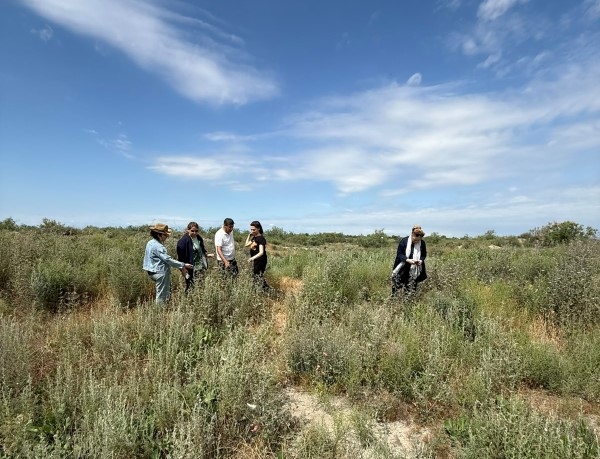
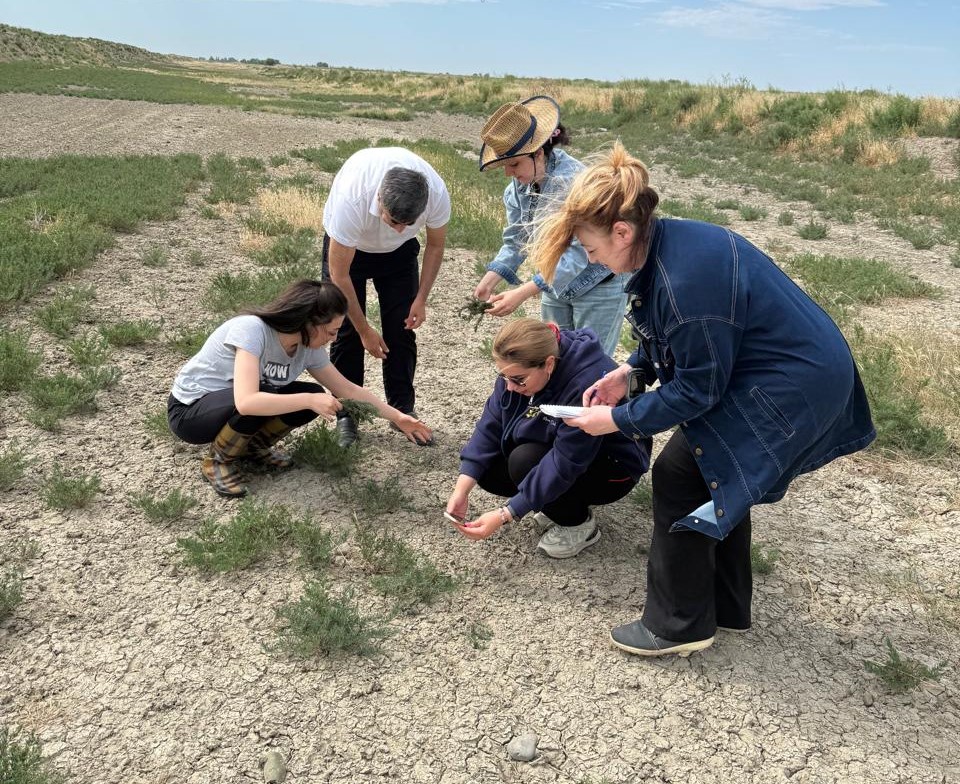
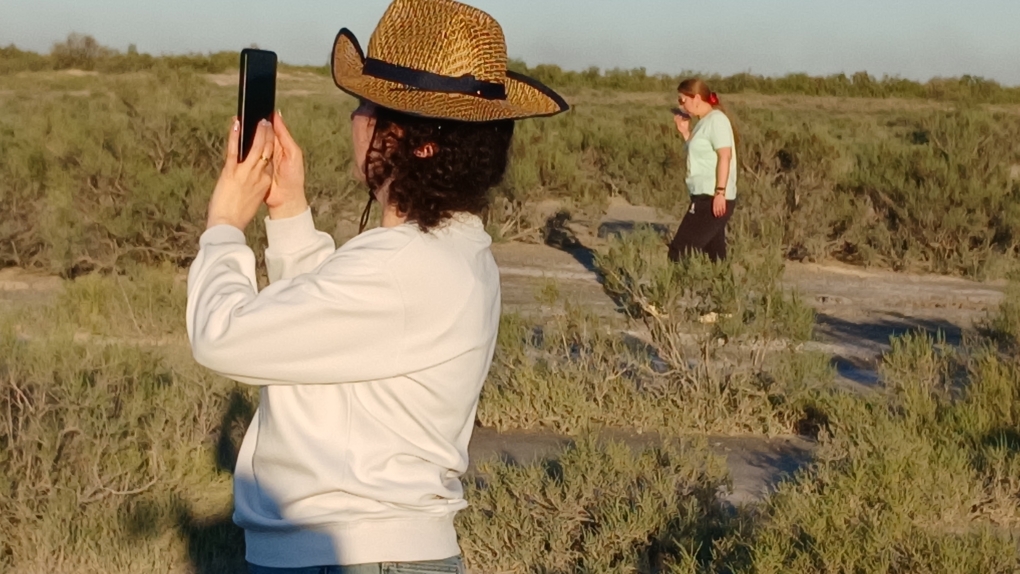
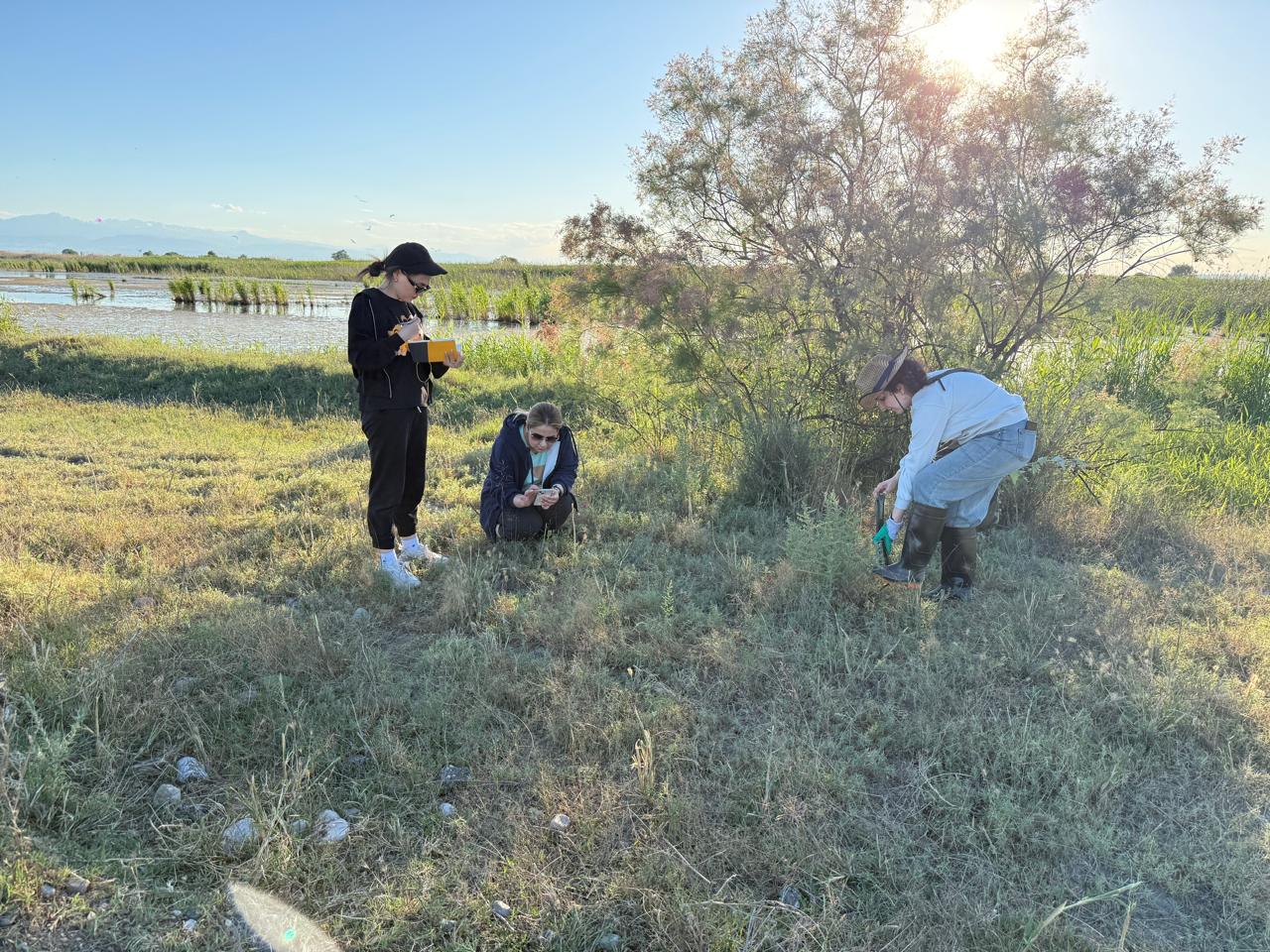
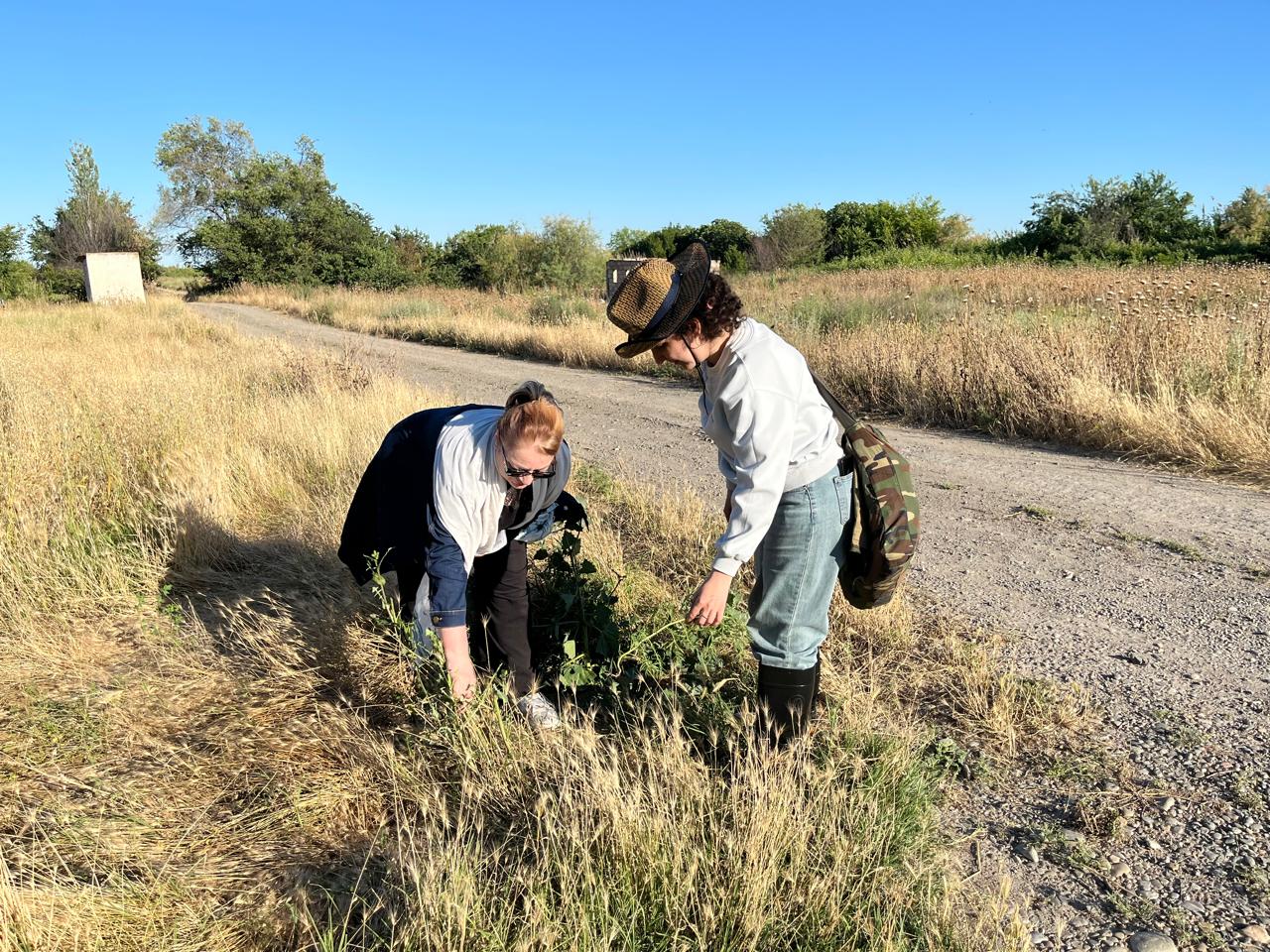
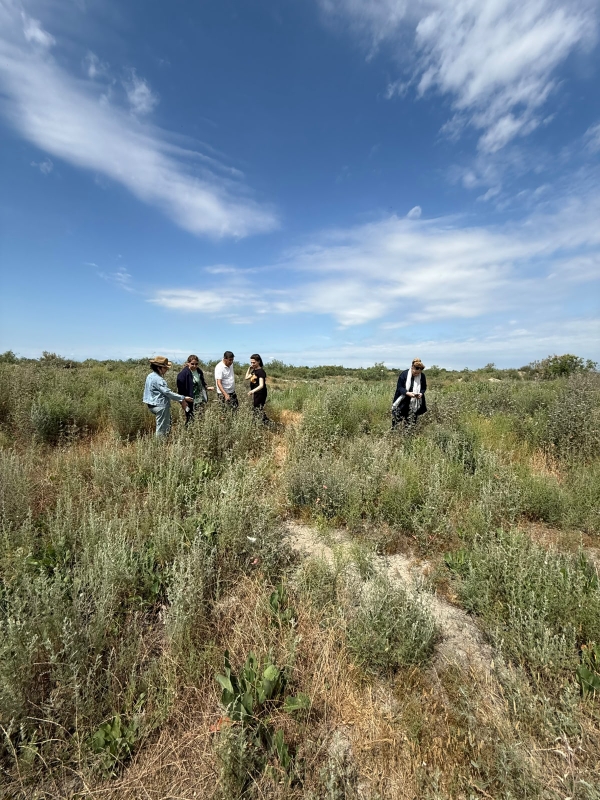
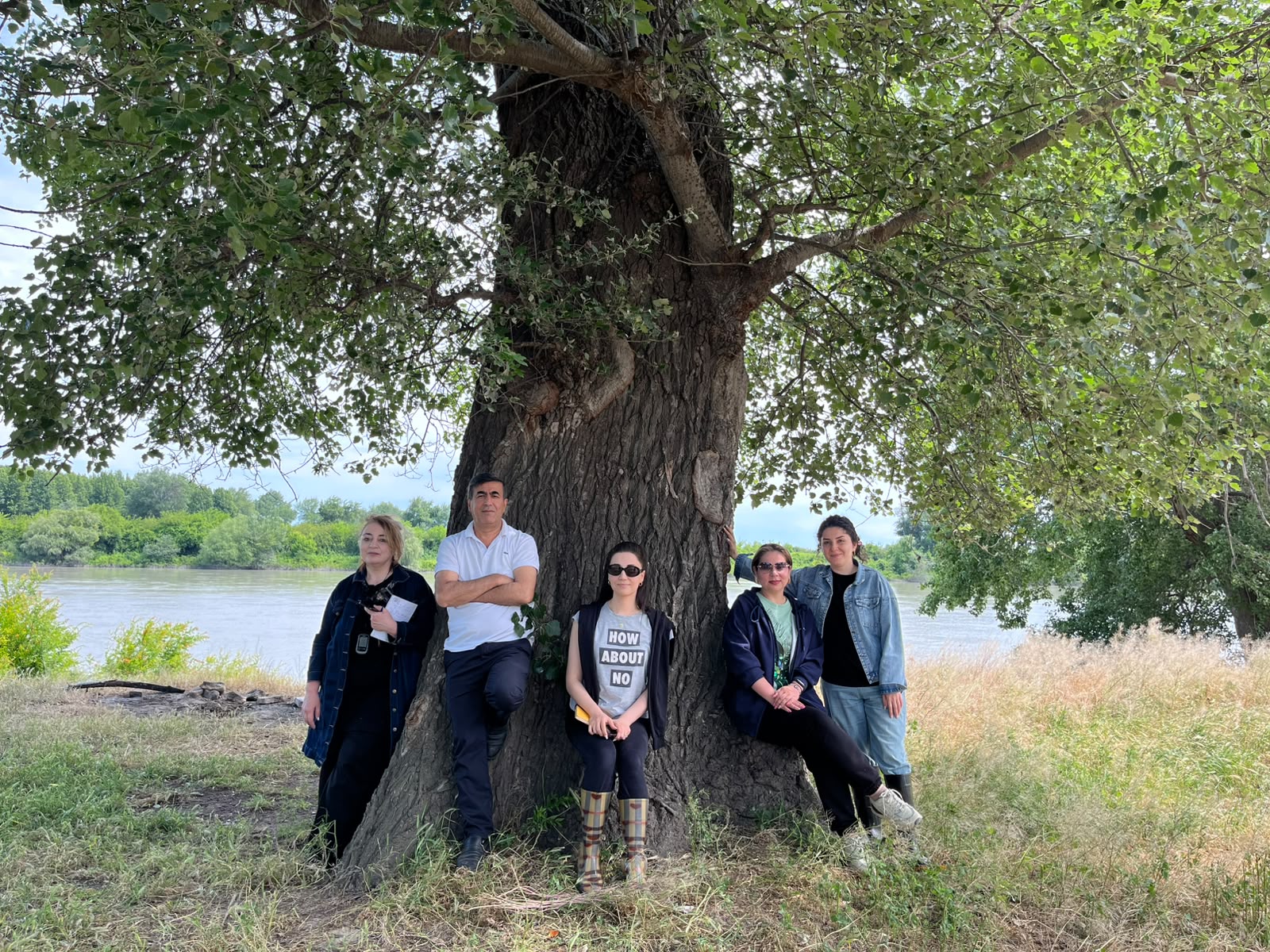
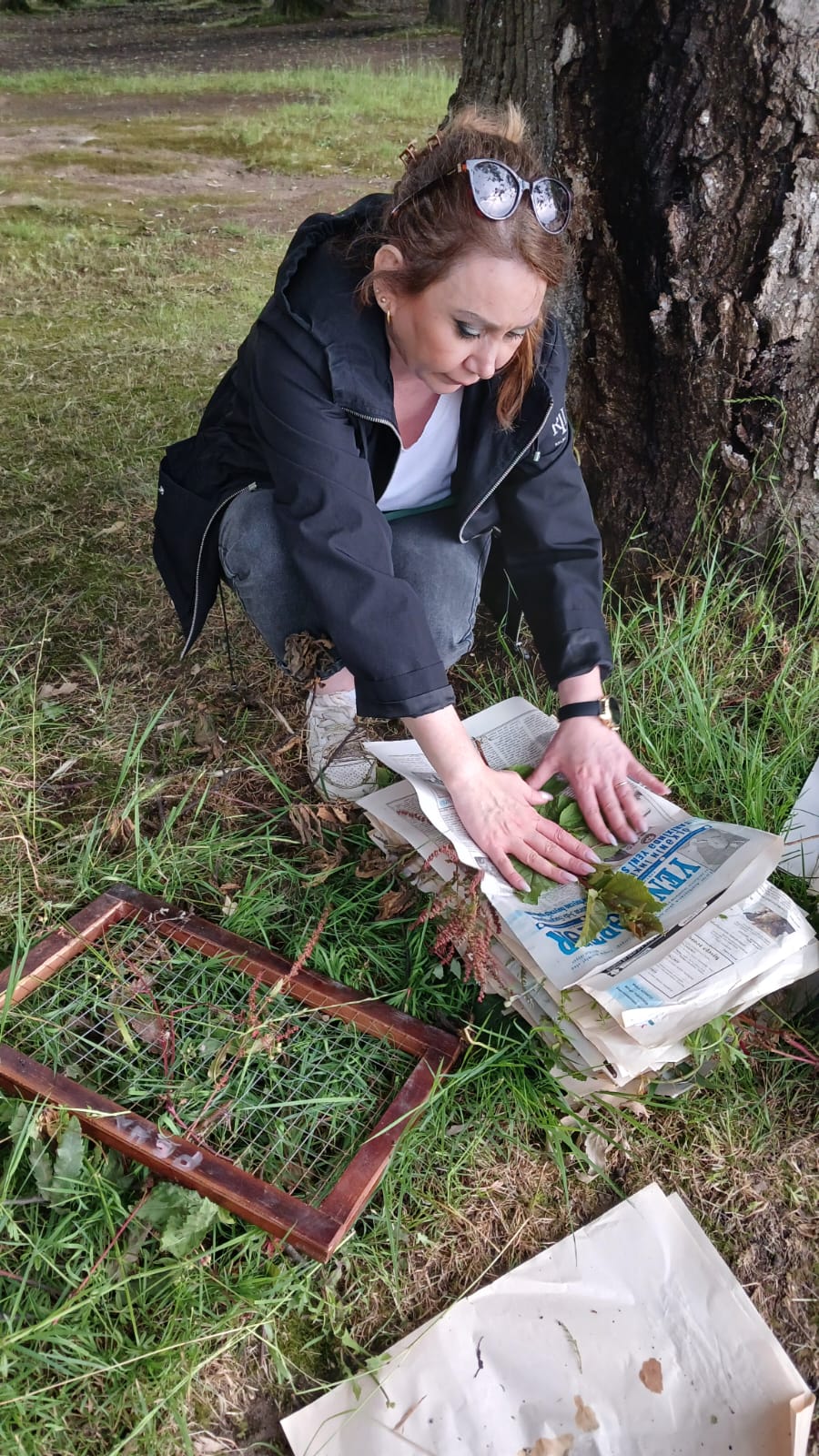
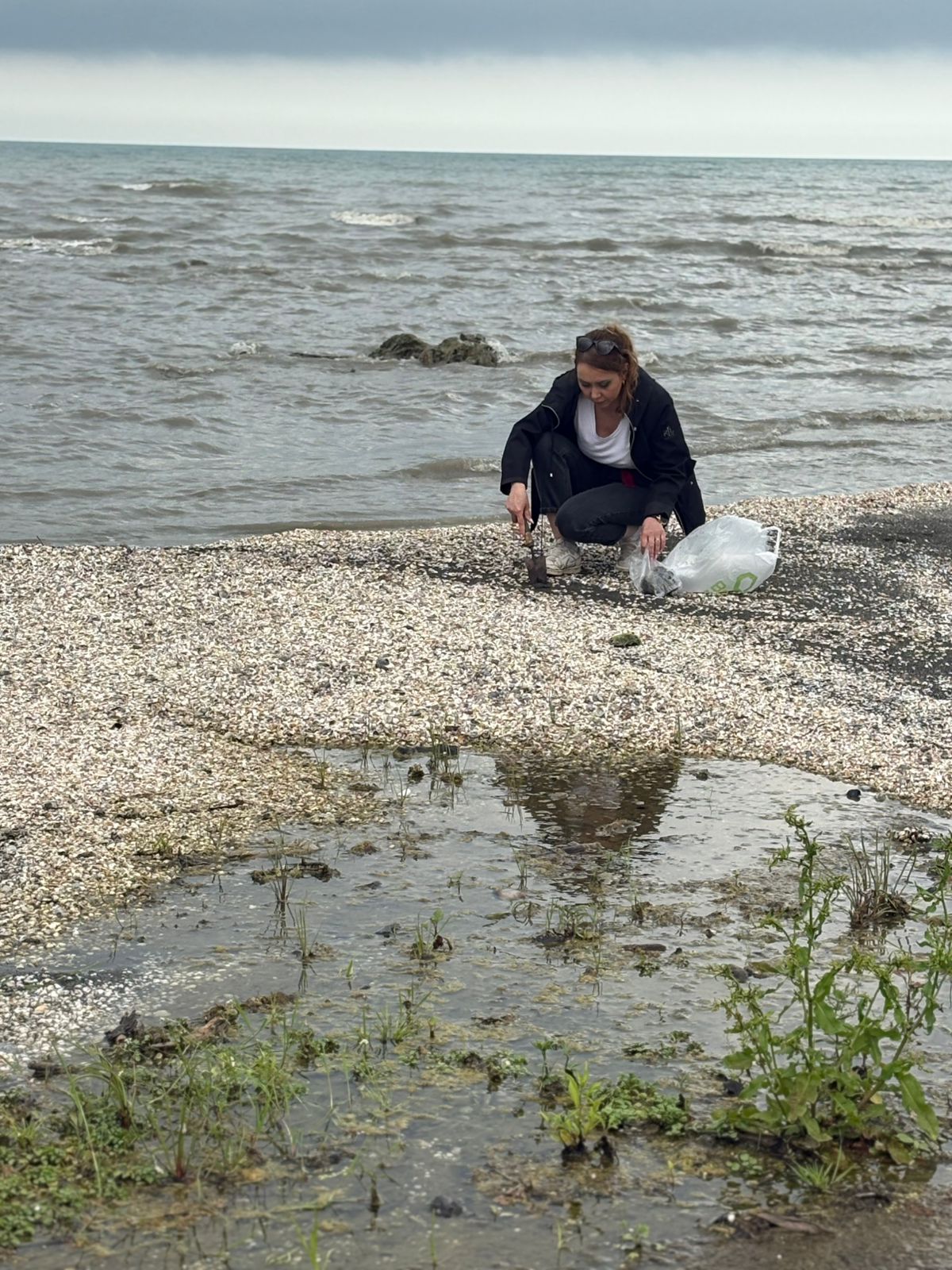
Researchers from the Geobotany Laboratory of the Institute of Botany PLE under the Ministry of Science and Education of the Republic of Azerbaijan conducted a field expedition to various areas of the Shirvan Plain.
The aim of the expedition was to assess the current state of the vegetation cover of the Shirvan Plain, determine the intensity of degradation and desertification processes, and investigate the natural and anthropogenic factors contributing to these processes.
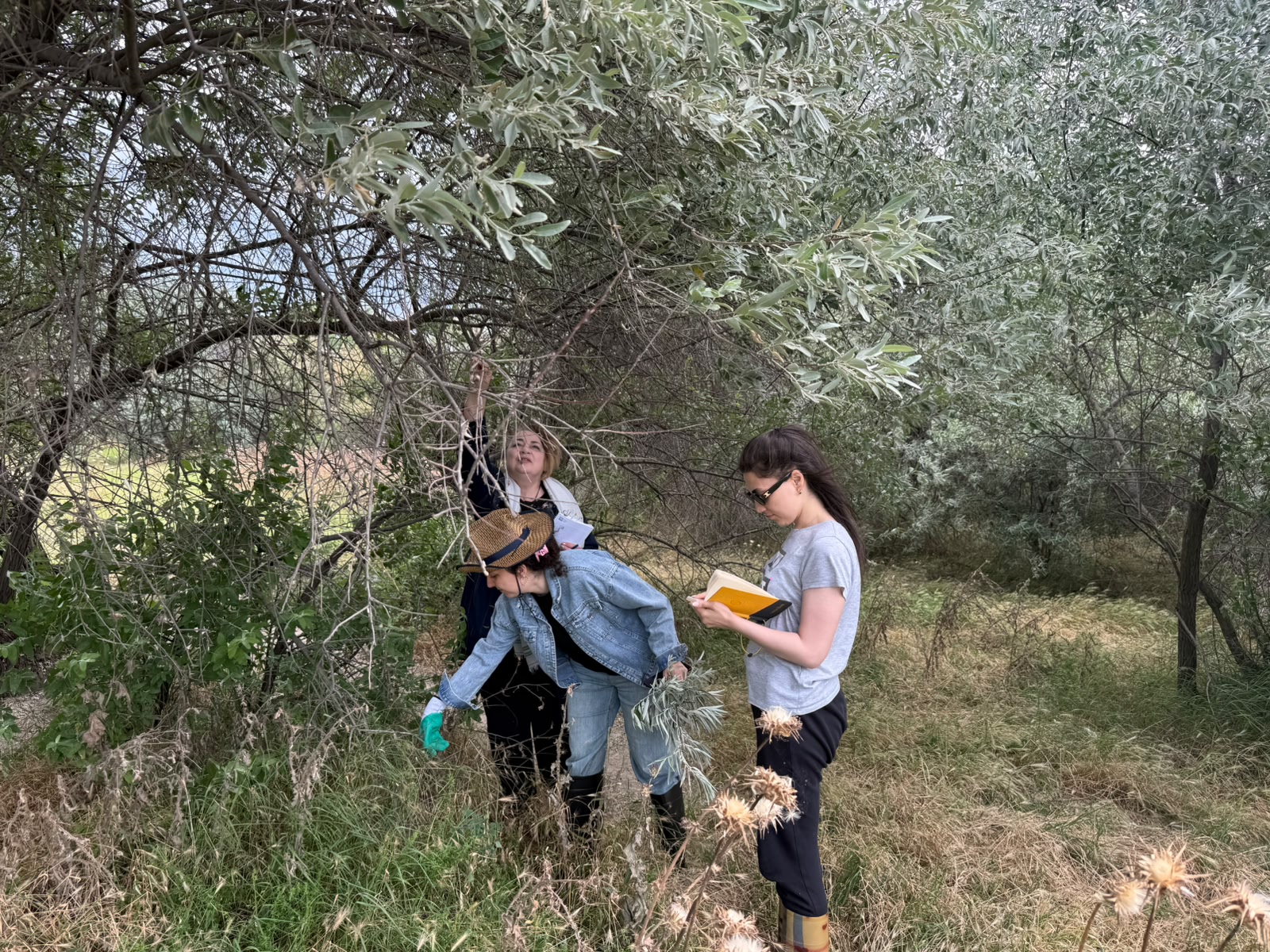
The research covered the territories of the Yevlakh, Ujar, Agdash, Goychay and Shirvan districts. During the field surveys, seasonal plant species were recorded, dominant and edificator species were identified, and succession processes within the vegetation cover were investigated. In addition, the distribution of rare, relict, and invasive species was studied, geobotanical descriptions were carried out, and the GPS coordinates of the observation sites were recorded.
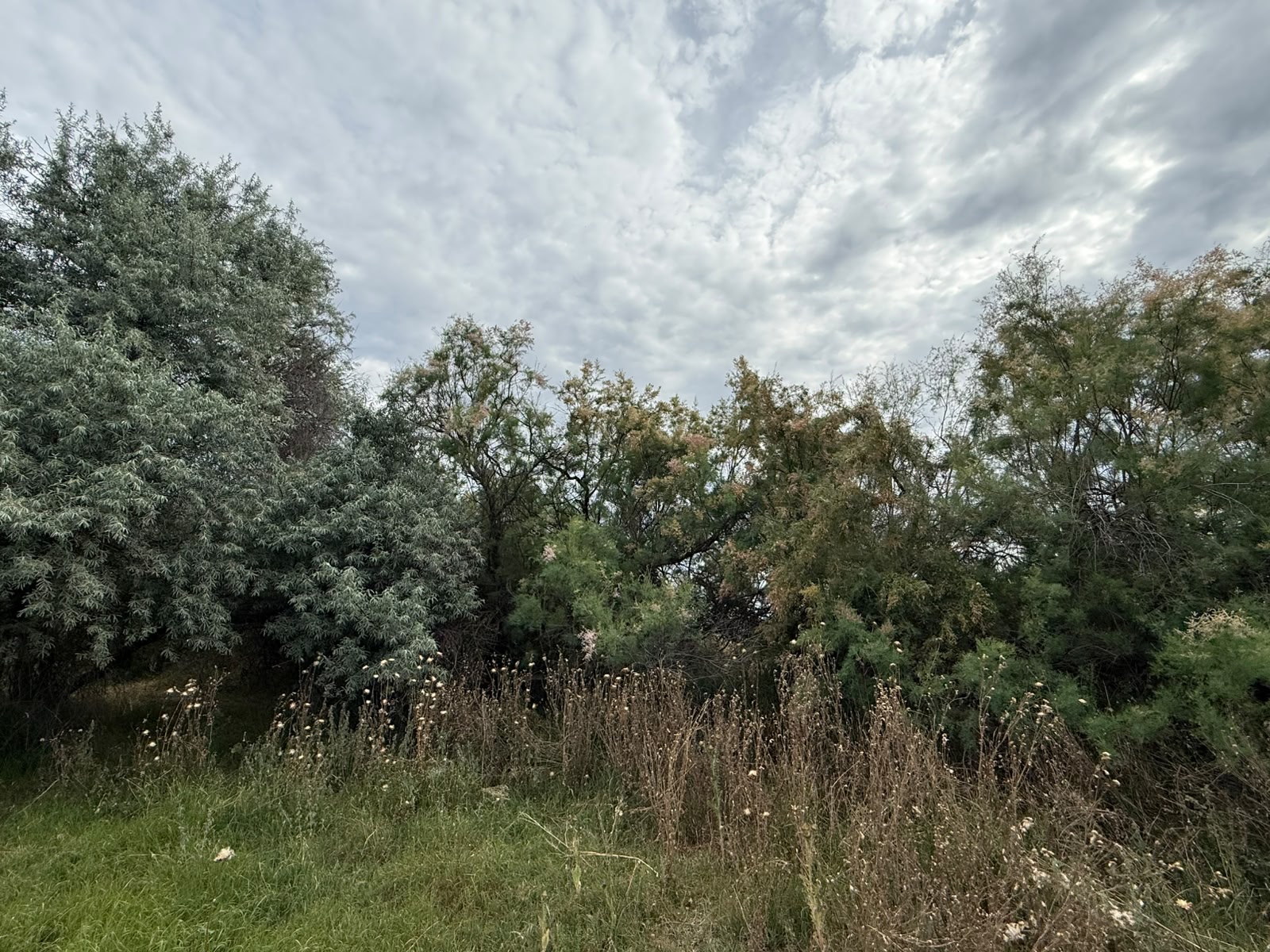
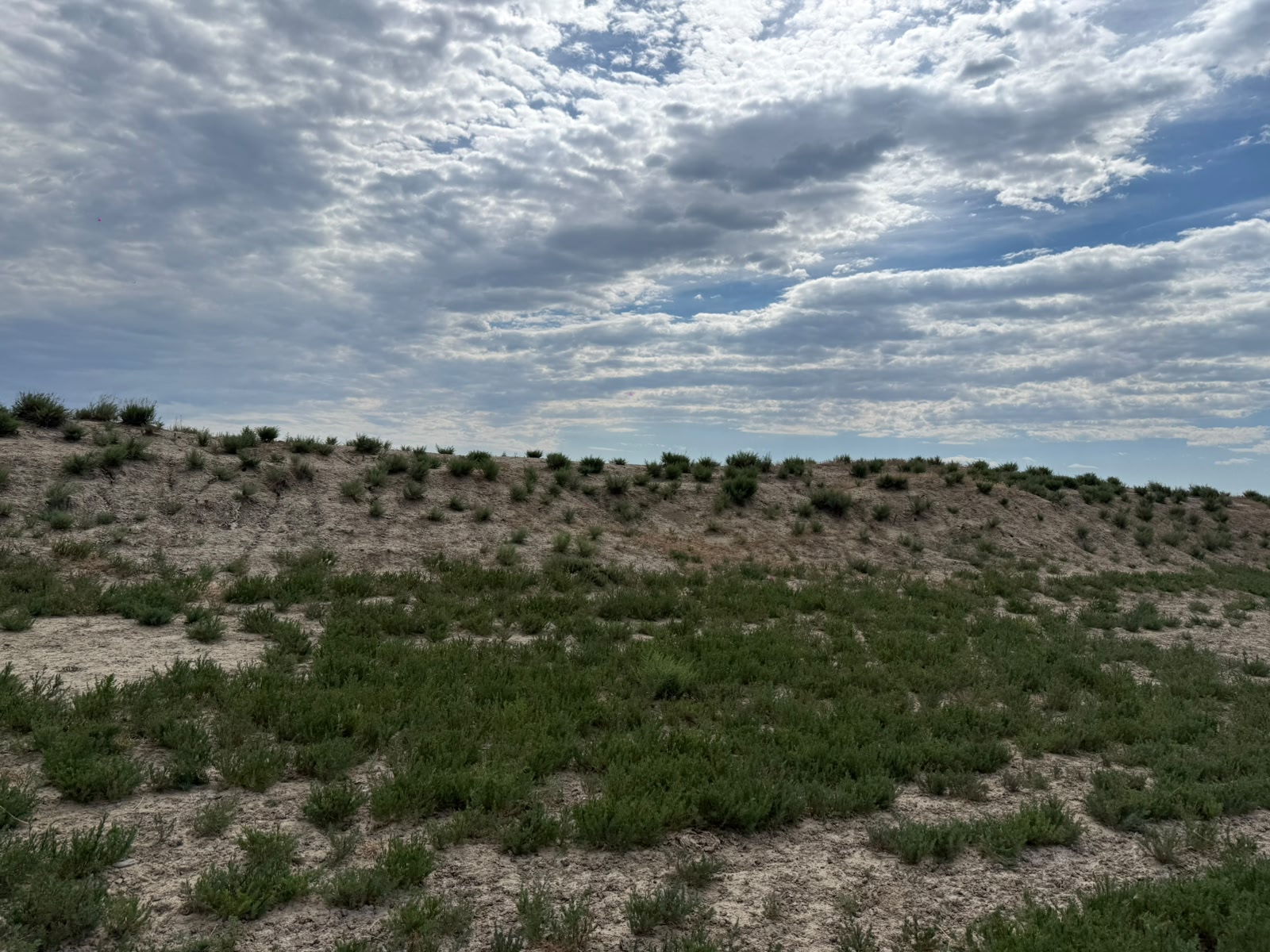
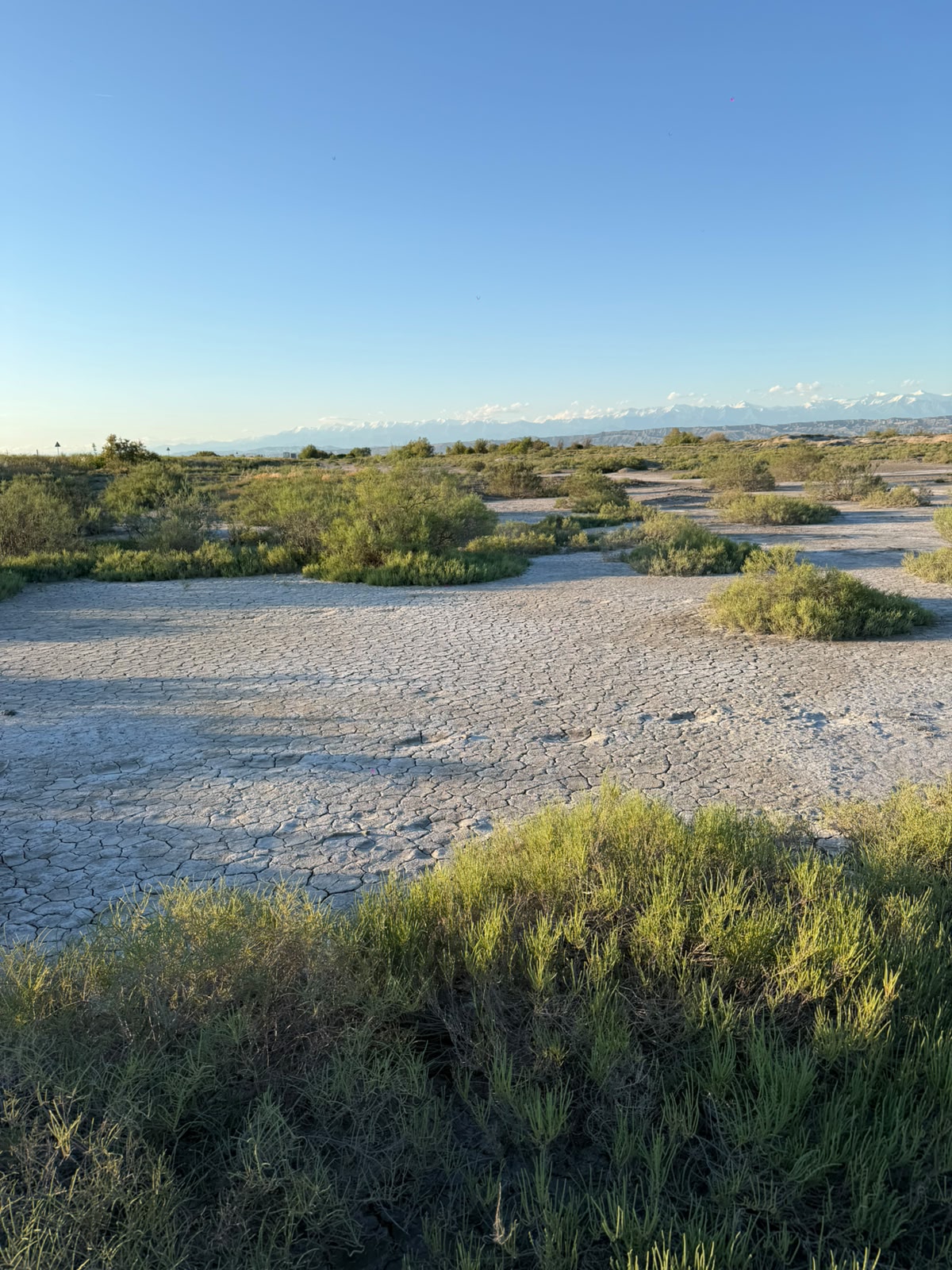
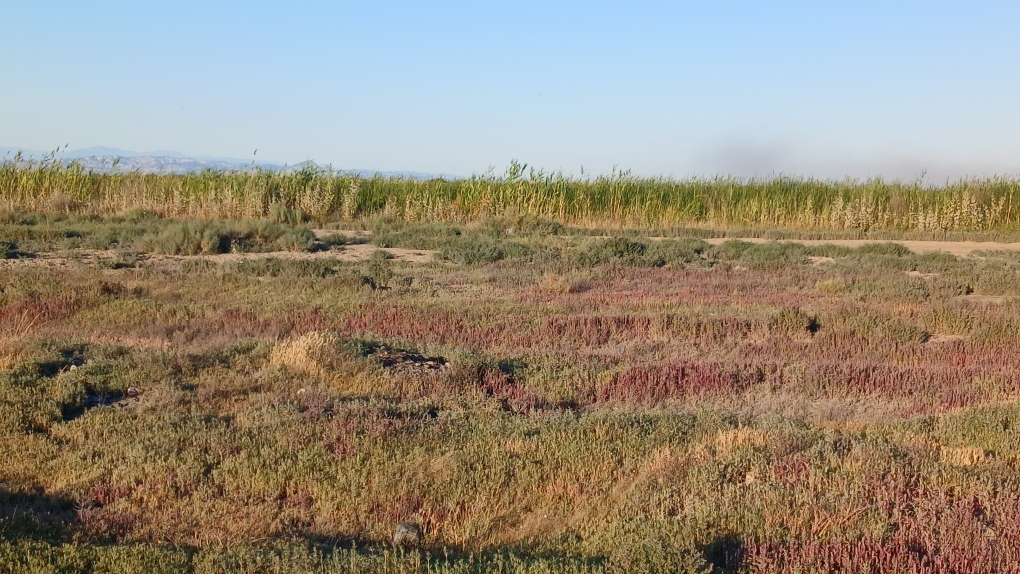
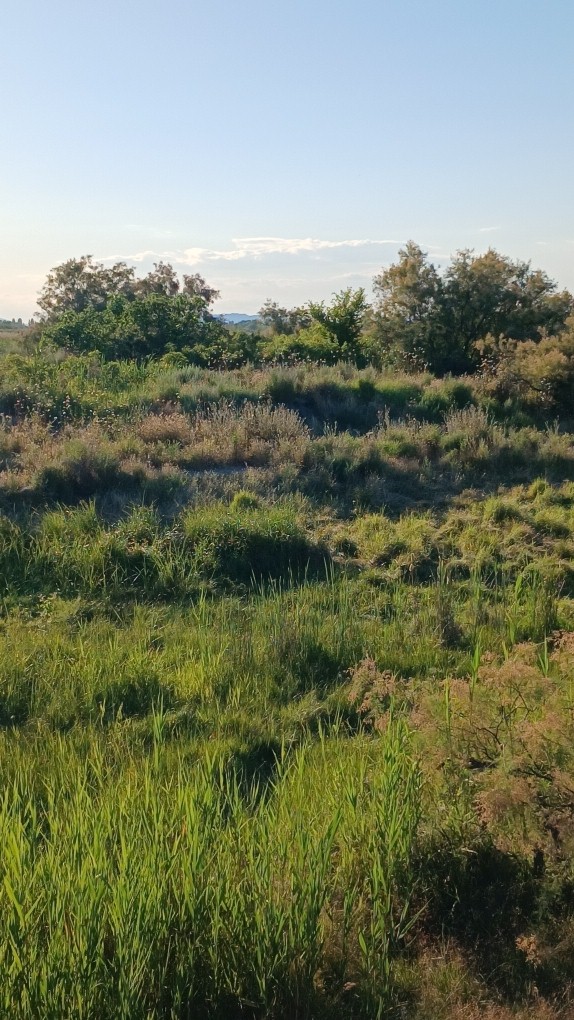
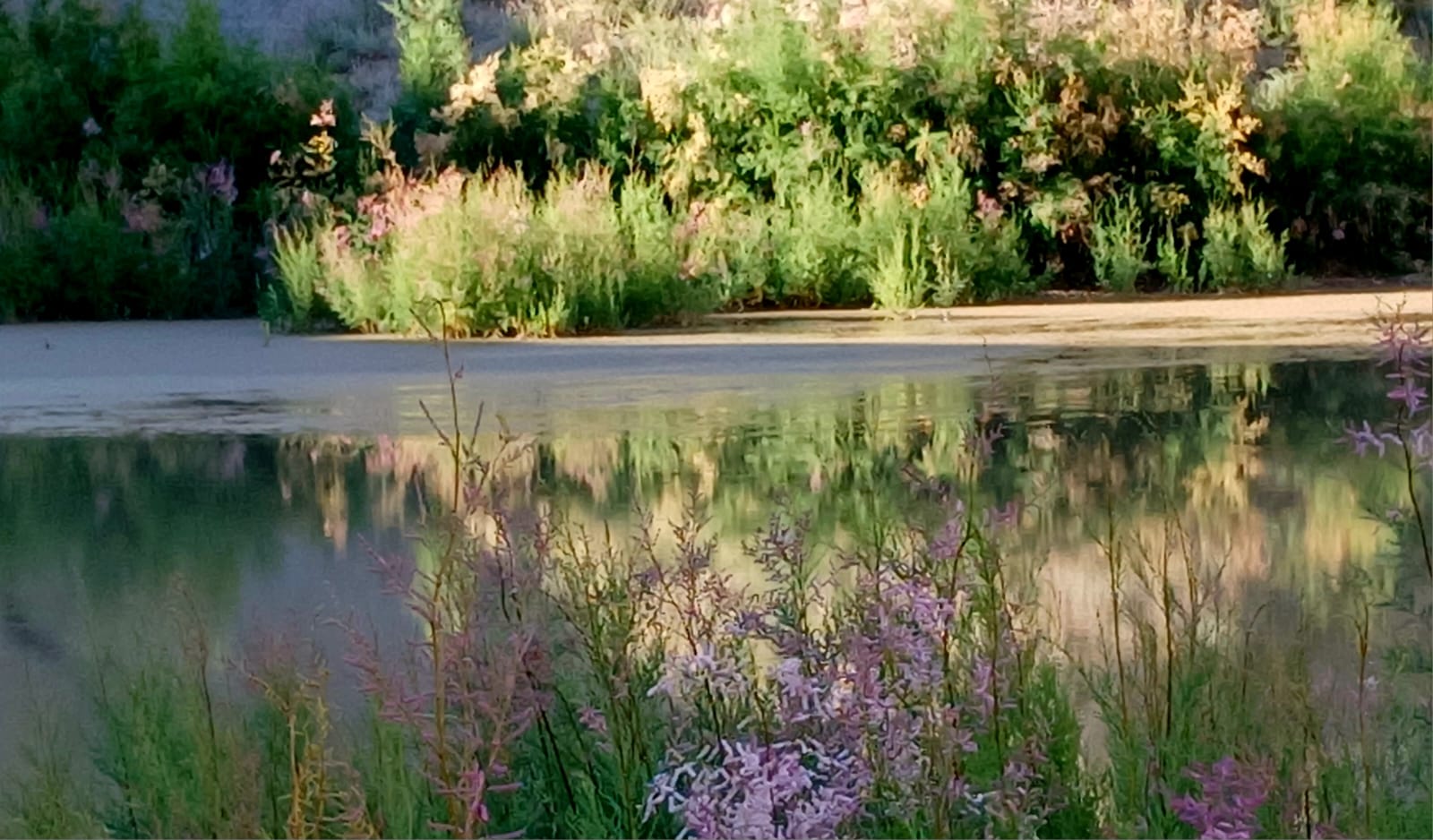
It was determined that semi-desert, desert, tugay forest, and wetland ecosystems are widely distributed across the Shirvan Plain. Observations indicate that the transformation of the vegetation cover has accelerated in some areas in recent years. Thus, part of the arboreal saline (halophytic shrub) phytocenoses is being replaced by fragrant wormwood (Artemisia fragrans) phytocenoses, while at the same time the areas occupied by tamarisk (Tamarix ramosissima), black saxaul (Halocnemum strobilaceum), and other halophytic species are expanding. In the Shirvan plain, 9 semi-desert and 14 desert plant associations have been recorded. Studies show that wormwood, saline and tamarisk phytocenoses predominate in the region's vegetation cover. It has also been observed that, due to above-normal temperatures during the spring season of 2026, the vegetation period of ephemeral plants has shortened.
As a result of floristic research conducted in the Goychay, Agdash, Yevlakh, Mingachevir, and Ujar districts, 104 plant species belonging to 87 genera and 35 families have been recorded. At the same time, 11 relict tree and shrub species distributed in the region have been identified and registered.
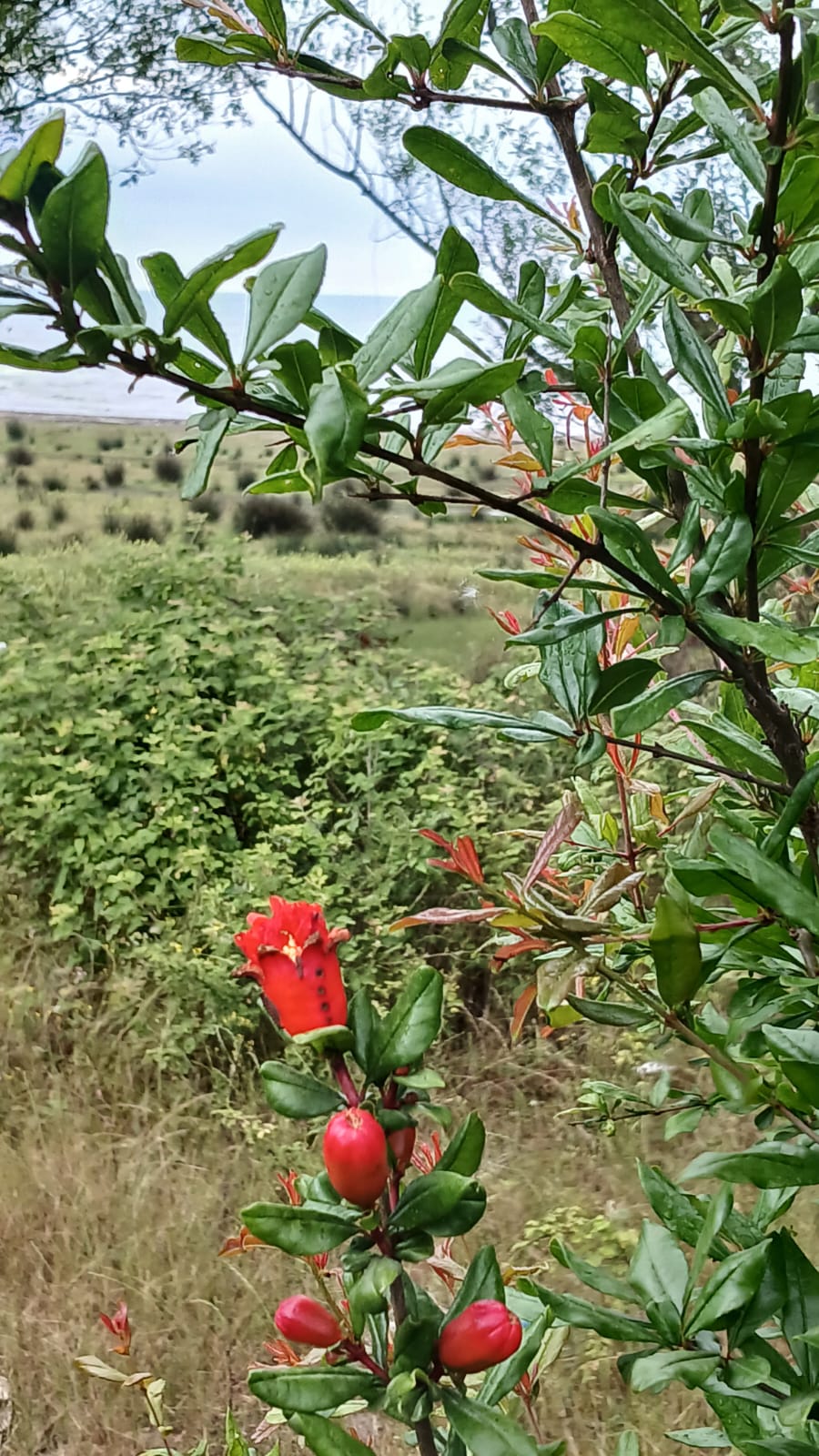
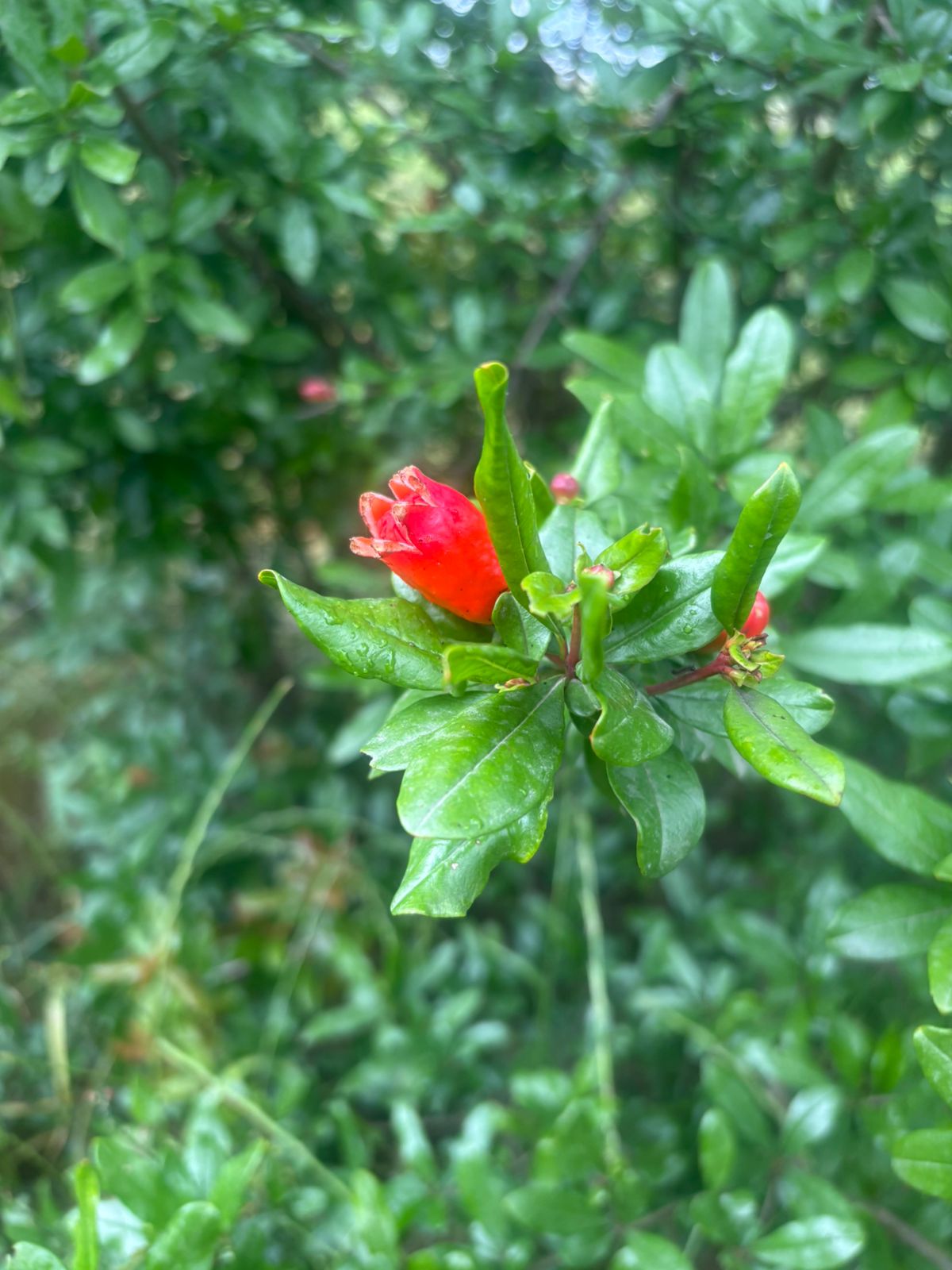
The current status of rare species included in the Red Book of Azerbaijan — such as pomegranate (Punica granatum), fig (Ficus carica), oriental plane tree (Platanus orientalis), wild grape (Vitis vinifera subsp. sylvestris), and Pastukhov's ivy (Hedera pastuchovii) — has been monitored. In addition, the spread of 8 invasive plant species in the area has been recorded.
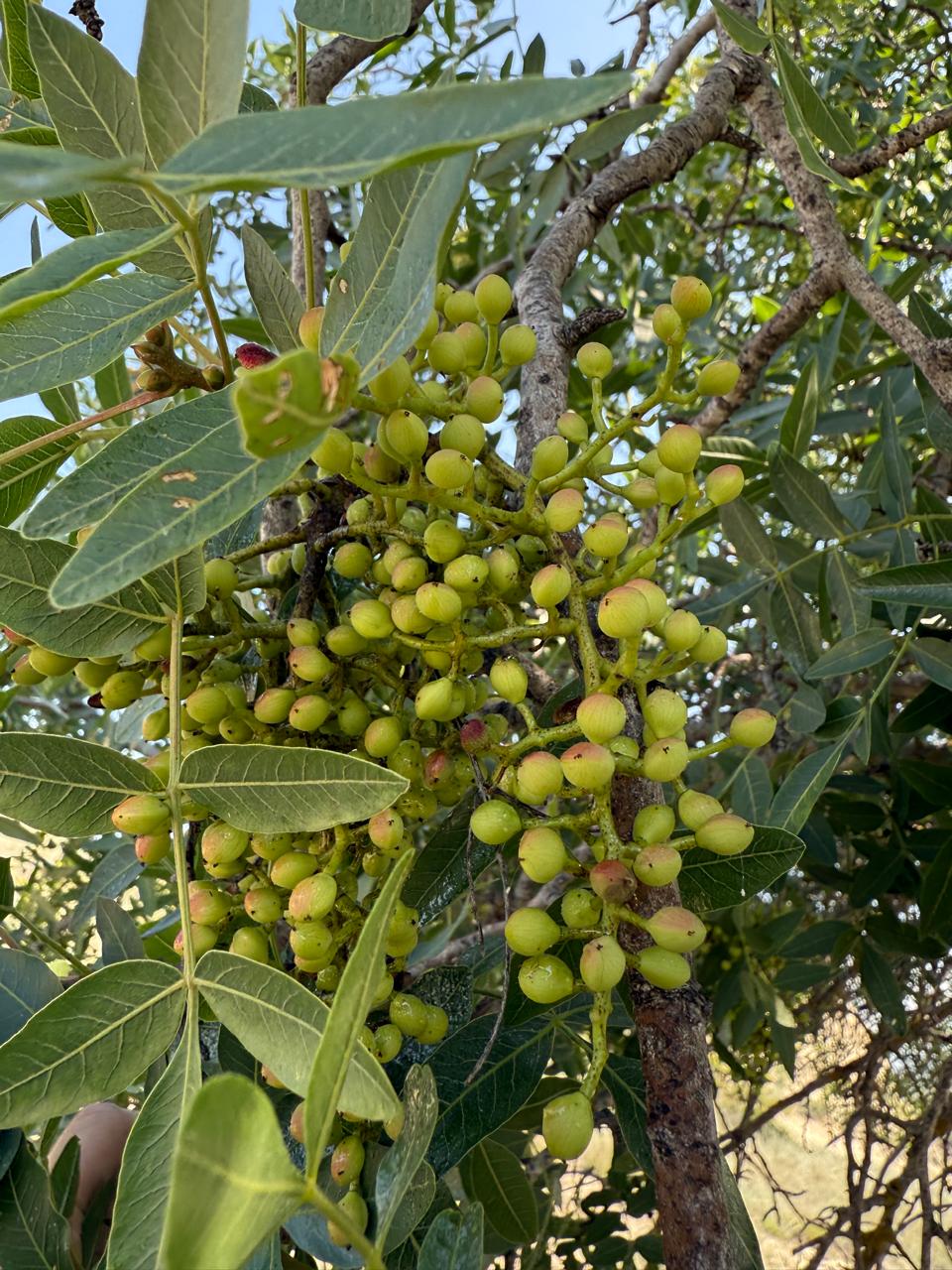
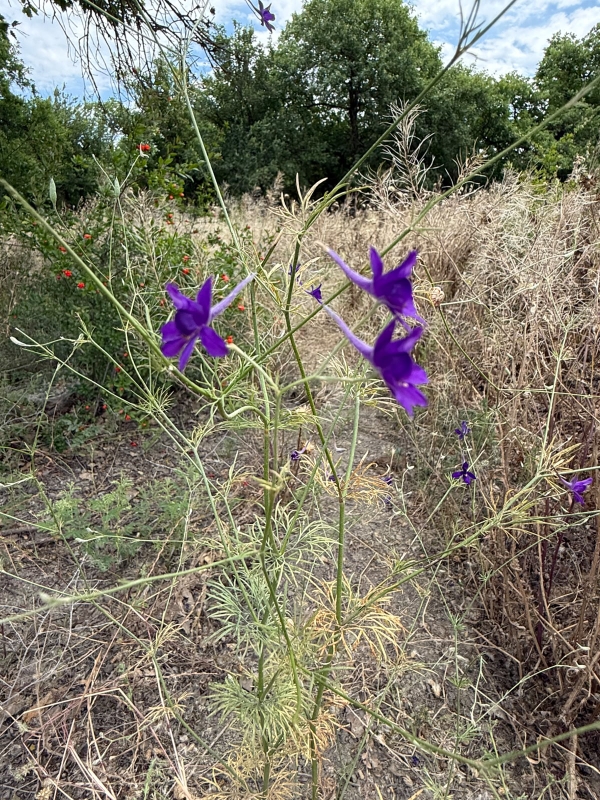
One of the important results of the expedition was the identification, for the first time along the banks of the Kur River, of a rare plant association dominated by pistachio-pomegranate (Pistacia atlantica–Punica granatum) species. In addition, a new distribution range was discovered for the species Consolida regalis.
As a result of the research conducted, extensive scientific material has been collected on the desert, semi-desert, tugai forest, and wetland ecosystems of the Shirvan plain, the distribution characteristics of plant associations have been determined, and the dynamic changes occurring in the ecosystems have been documented.
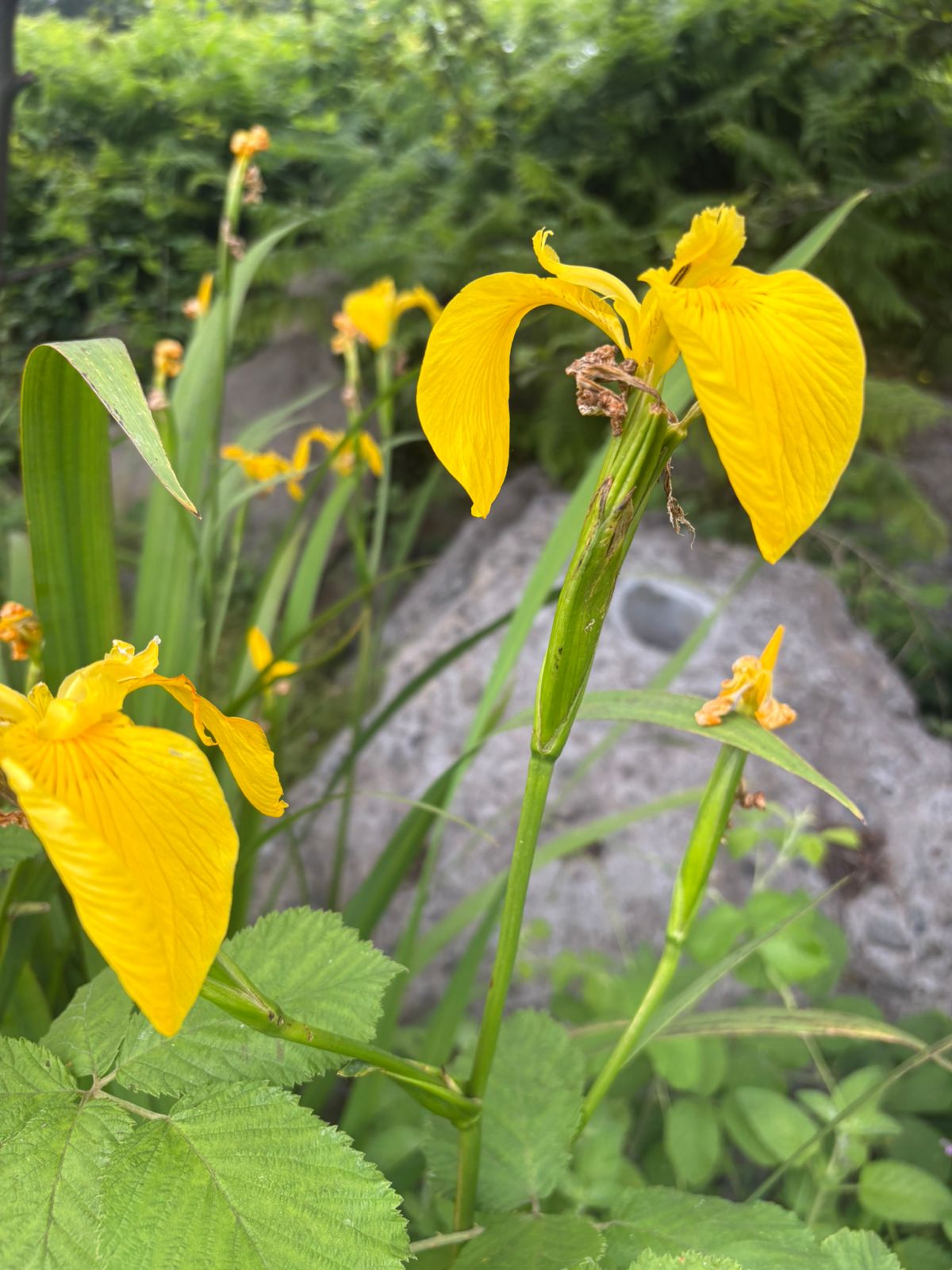
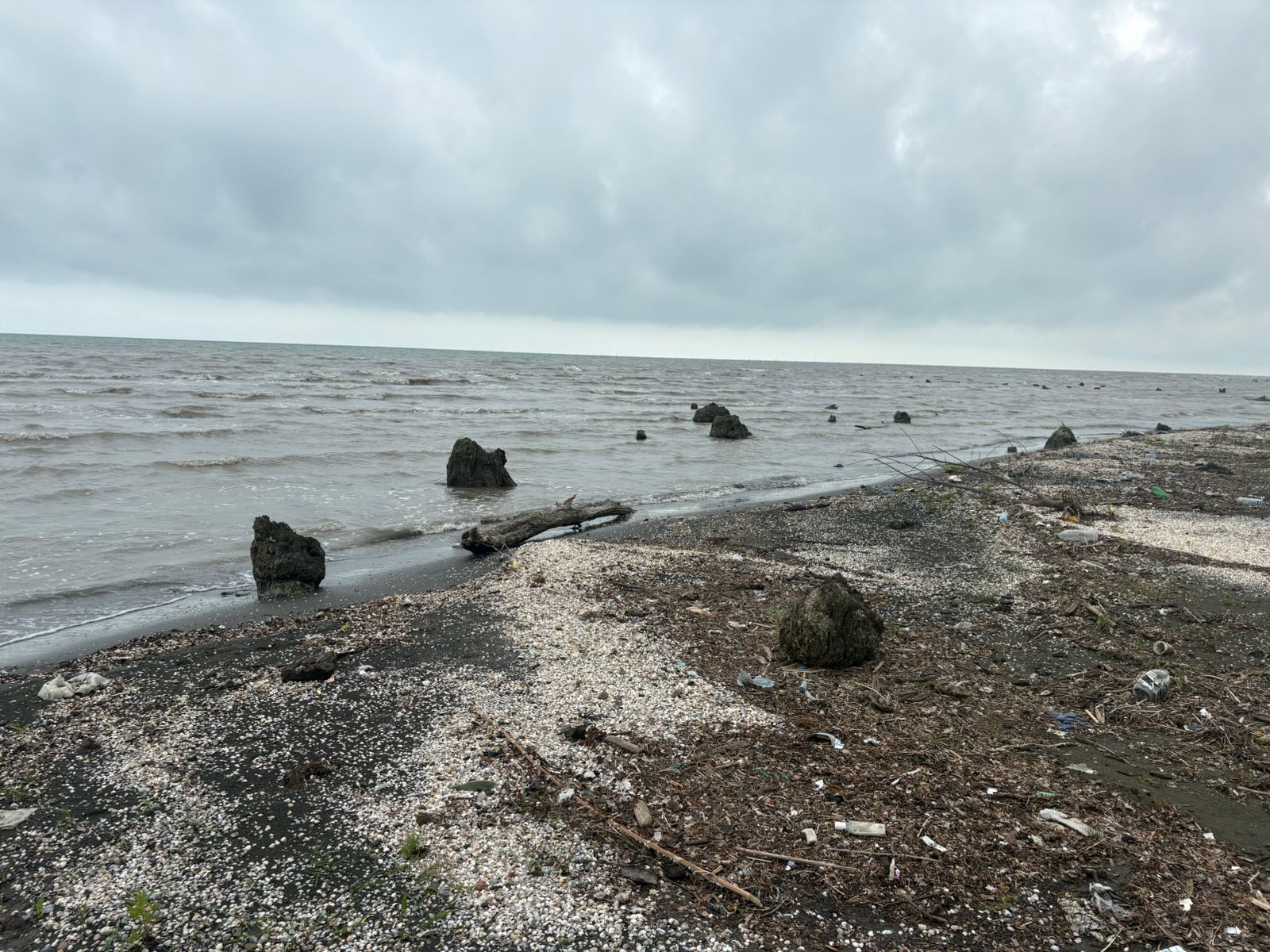
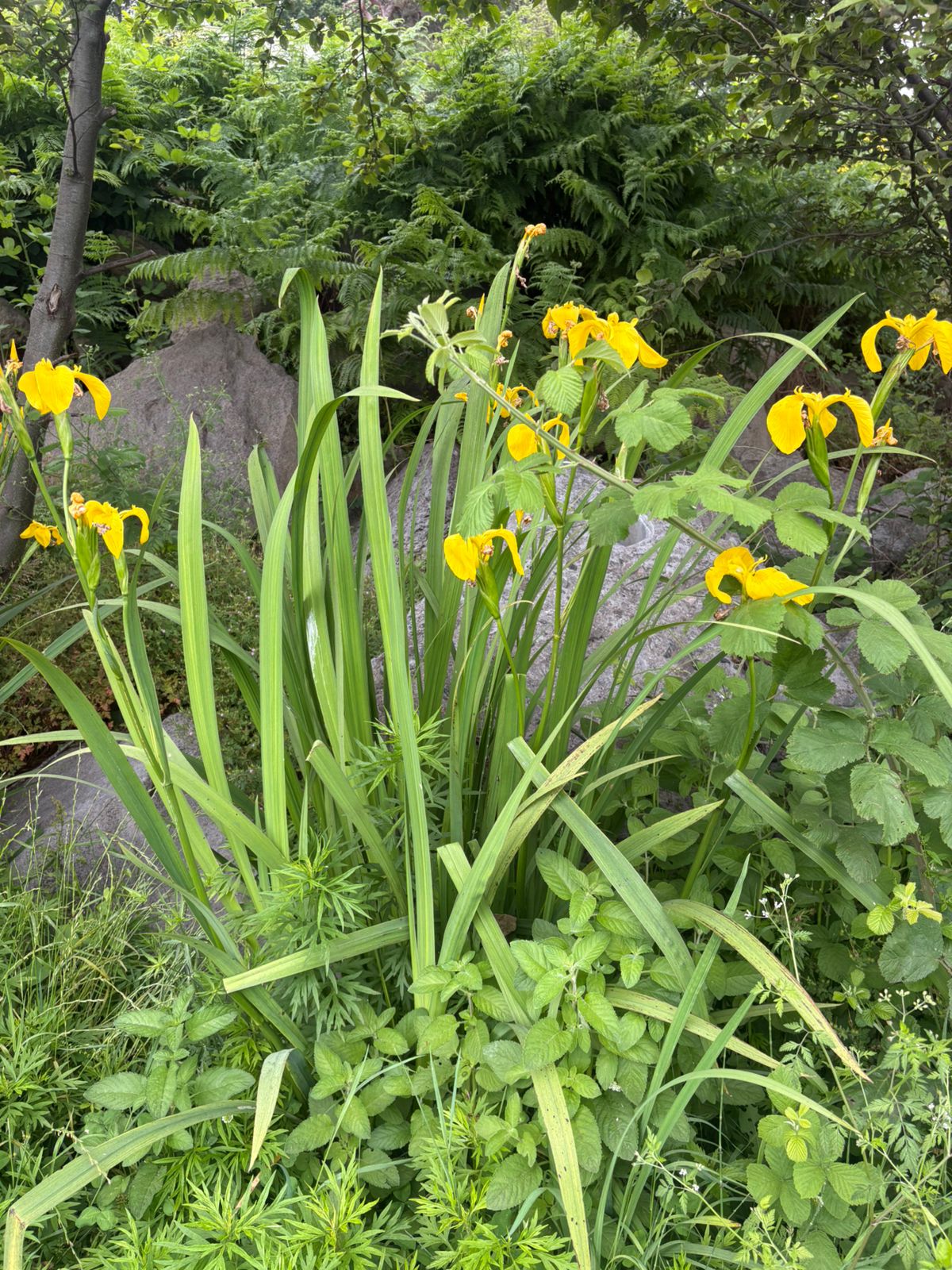
Within the framework of this expedition, additional monitoring was also carried out by the Institute's staff in the coastal areas of the Lankaran district. During the research, the current status of invasive species — Artemisia verlotiorum and Asphodeline tenuifolia — and rare species — Quercus castaneifolia, Iris pseudacorus, and Punica granatum — was studied, and their distribution characteristics and population status were assessed.
1782371716.jpg)









1730190904.jpg)