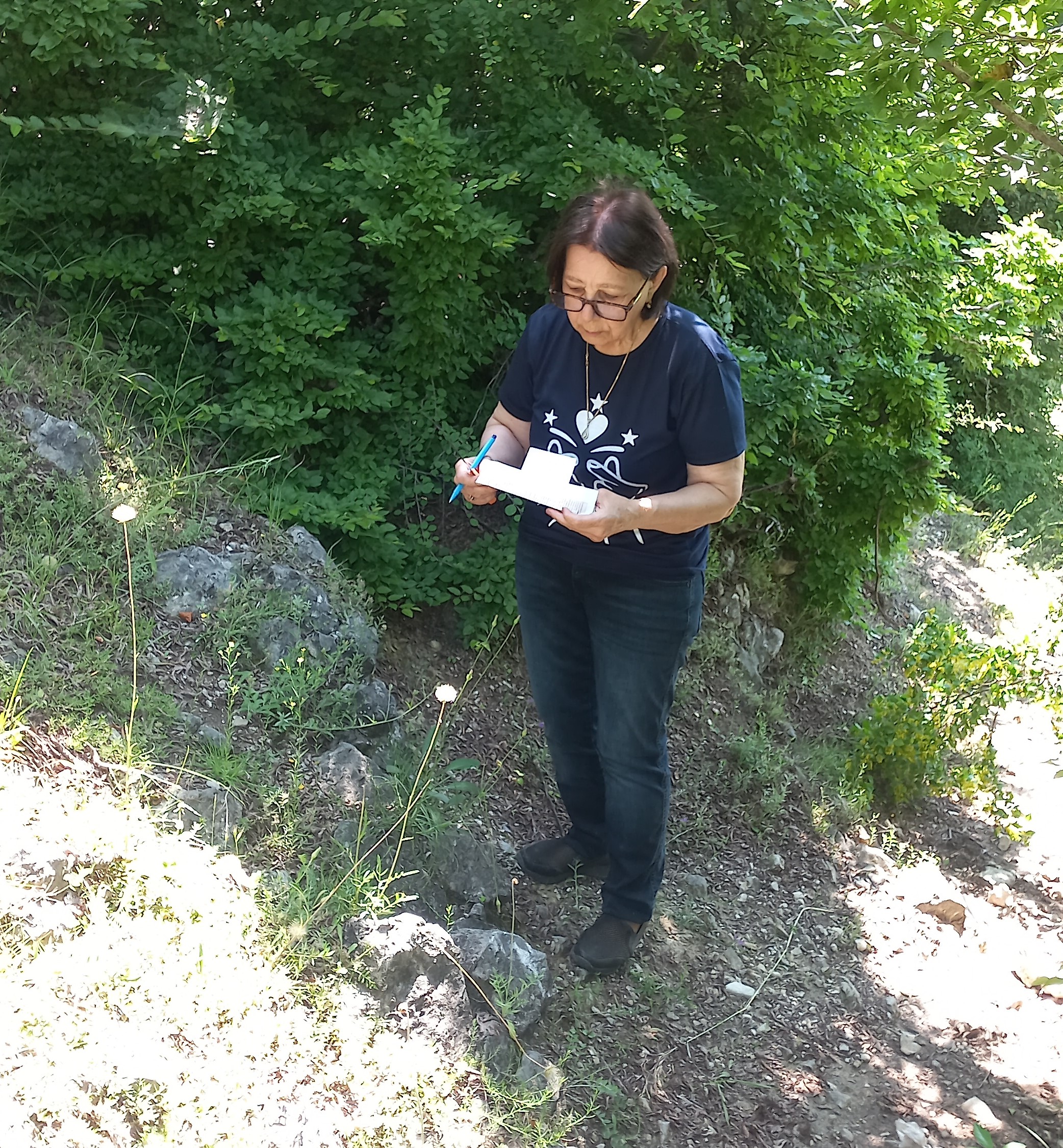
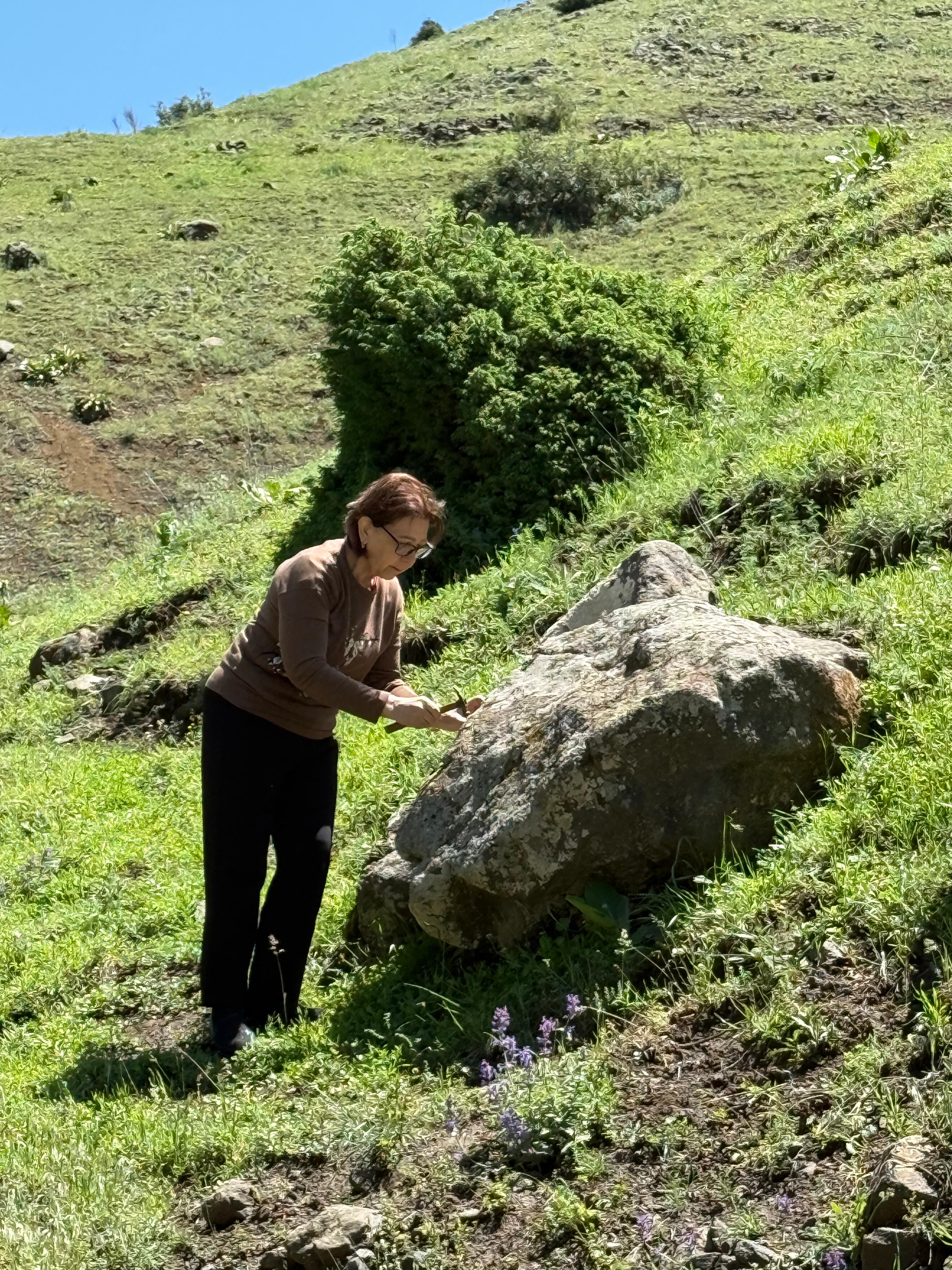
A comprehensive expedition was carried out in the Shaki region by staff of the Center for Plant Diversity and Applied Research and the Laboratory of Biological Resources and Technology for Obtaining Individual Substances of the Botany PLE Institute of the Ministry of Science and Education of the Republic of Azerbaijan.
The main goal of the expedition was to study the region's biodiversity, investigate the algal flora of aquatic ecosystems, monitor rare and endemic plant species, enrich herbarium and algae collection funds, and collect scientific material for studying the phytochemical properties of medicinal plants.
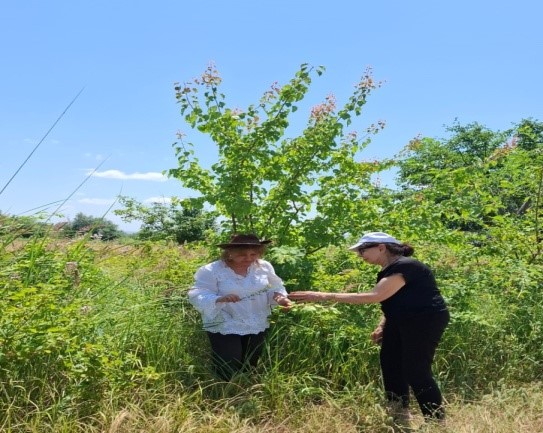
The research covered the villages of Gokhmug, Varezat, Orta Zayzid, Bash Zayzid, Kobar Zayzid, Kirkhbulag, Bash Kungut, Ibrahimkend, Dashagil, Kaldek, Jafarabad and Bideyiz in the Shaki district, as well as the basins of the Kish and Shin rivers. During the expedition, plant diversity was assessed in mountain, forest, and aquatic ecosystems, and monitoring was conducted on medicinal plants, algae, and lichens.
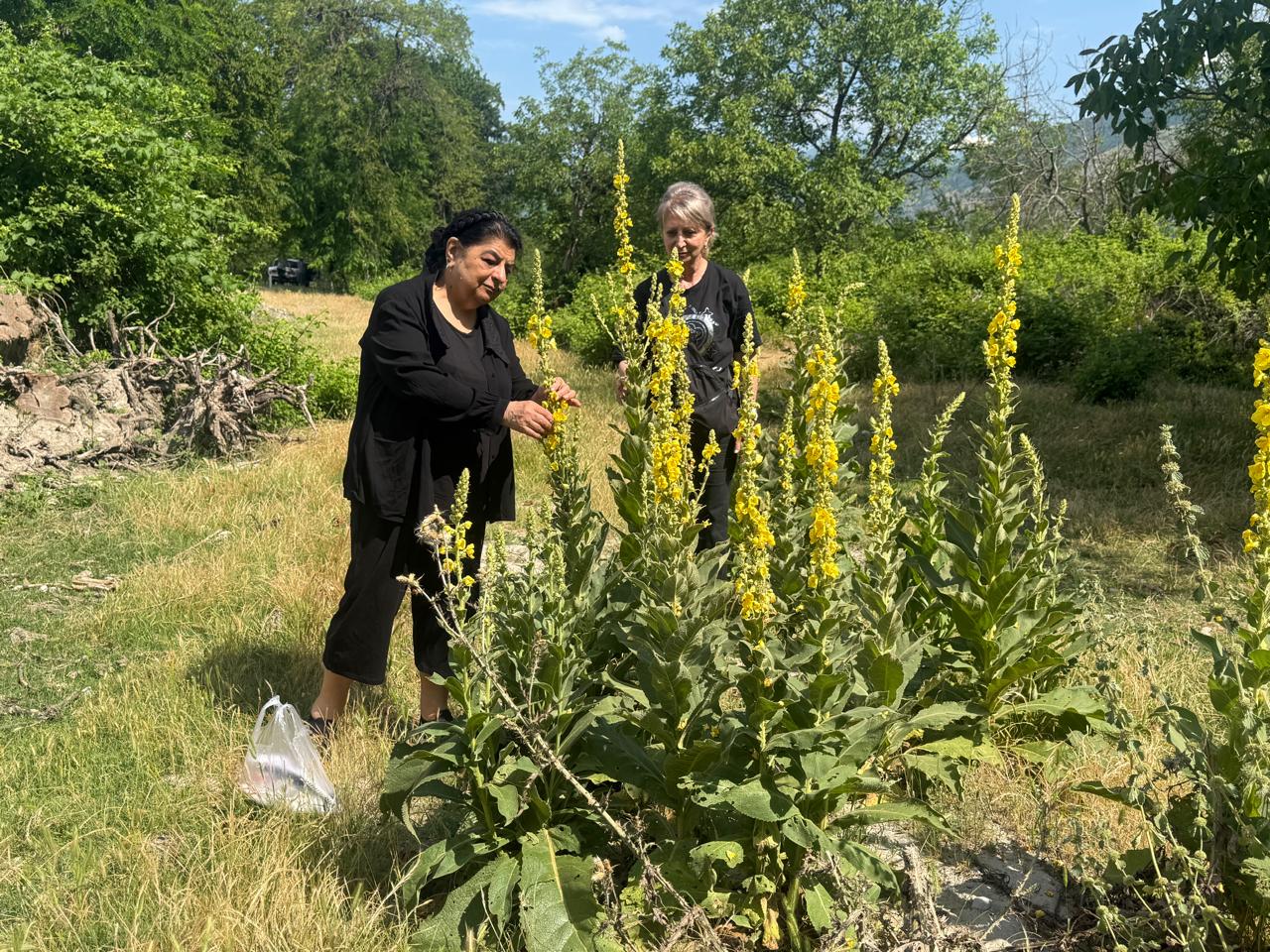
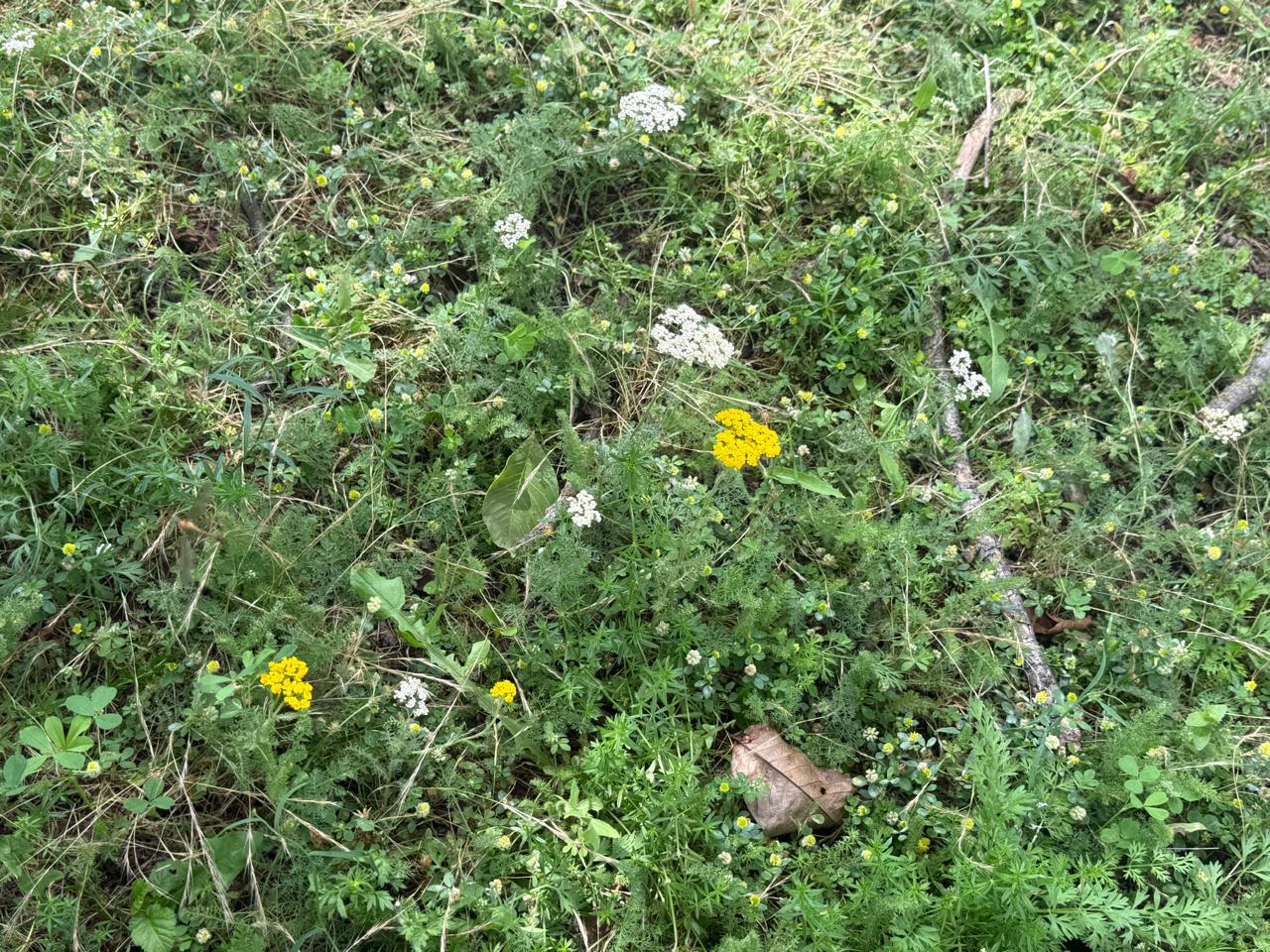
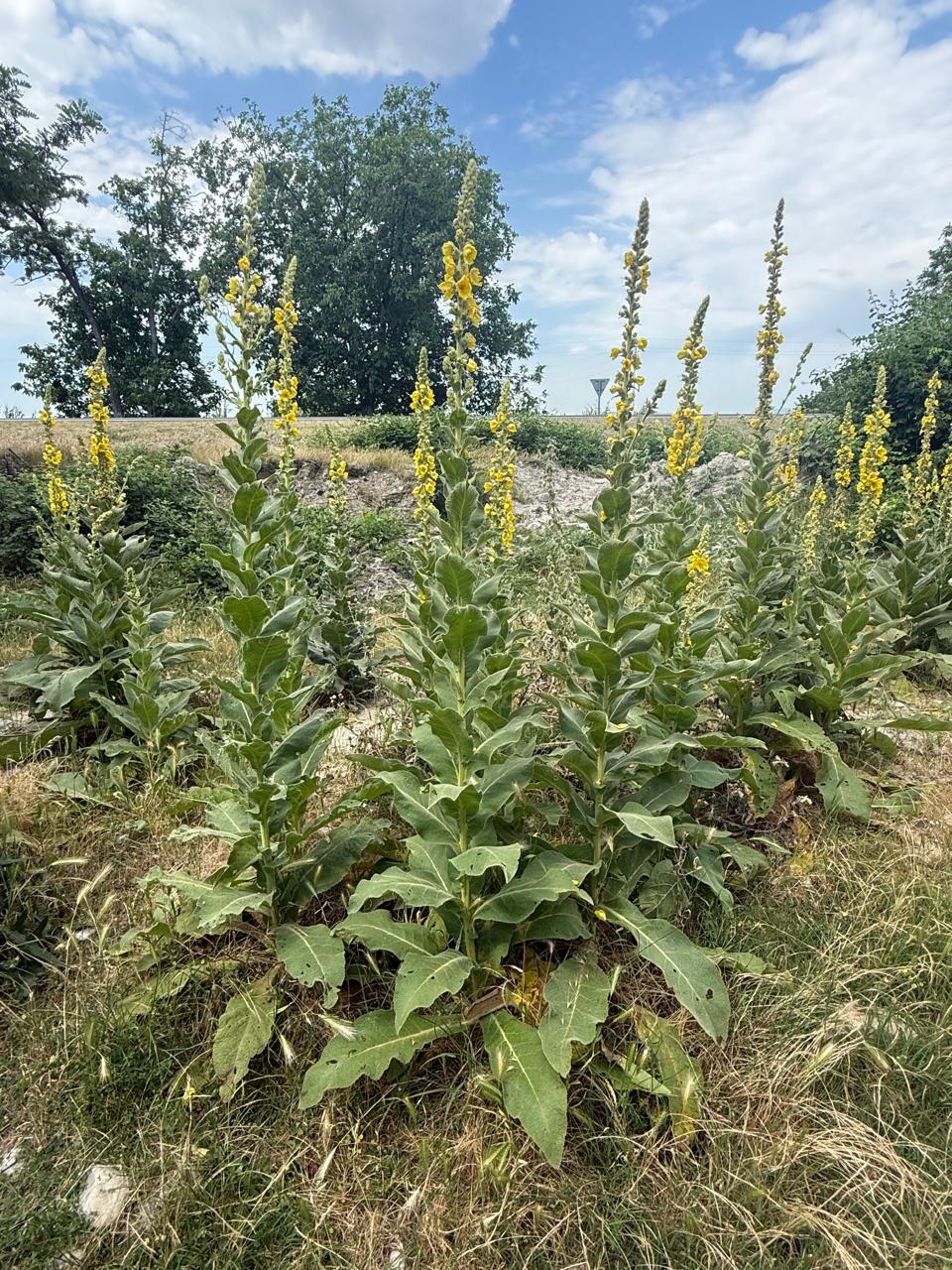
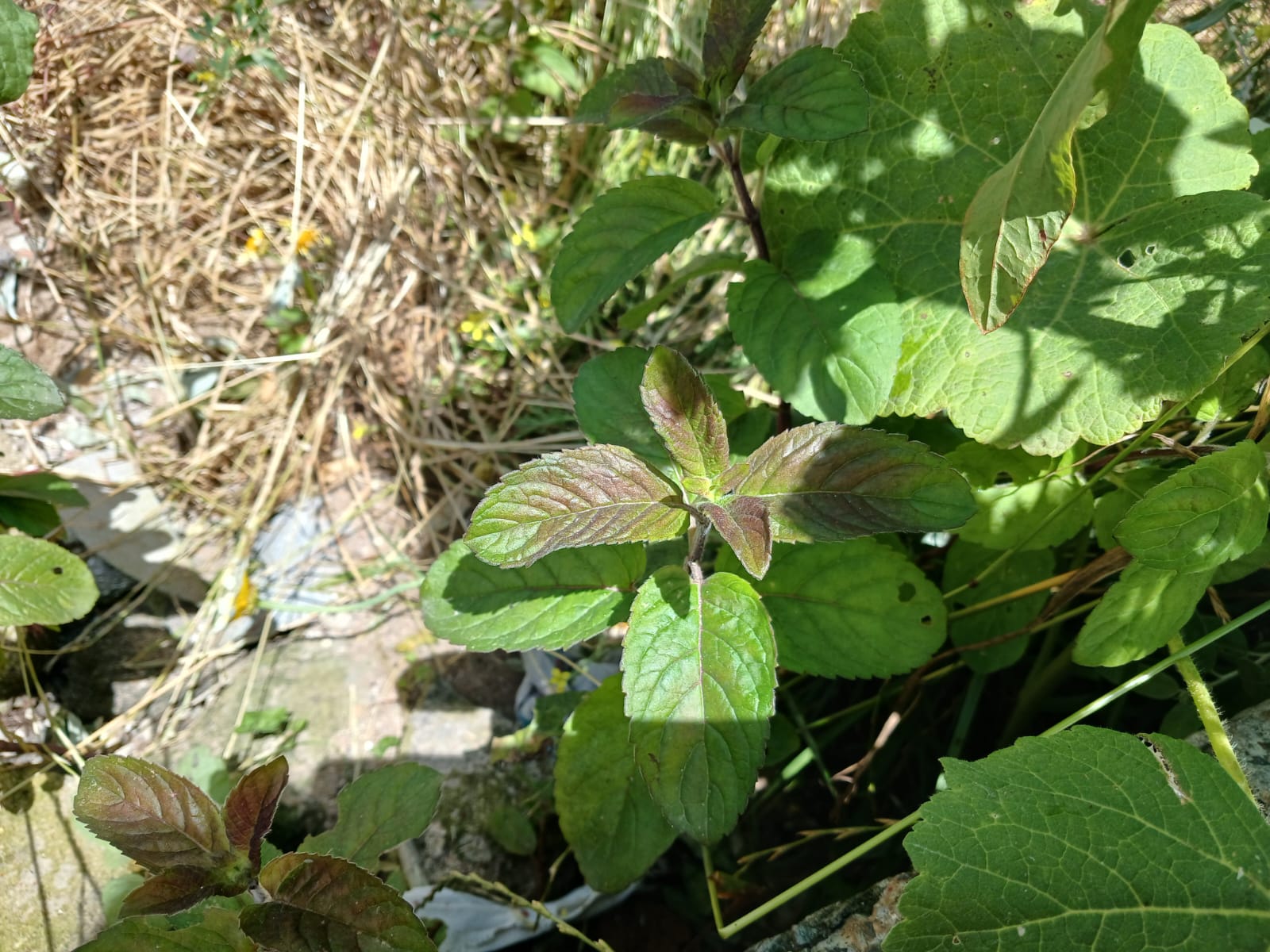
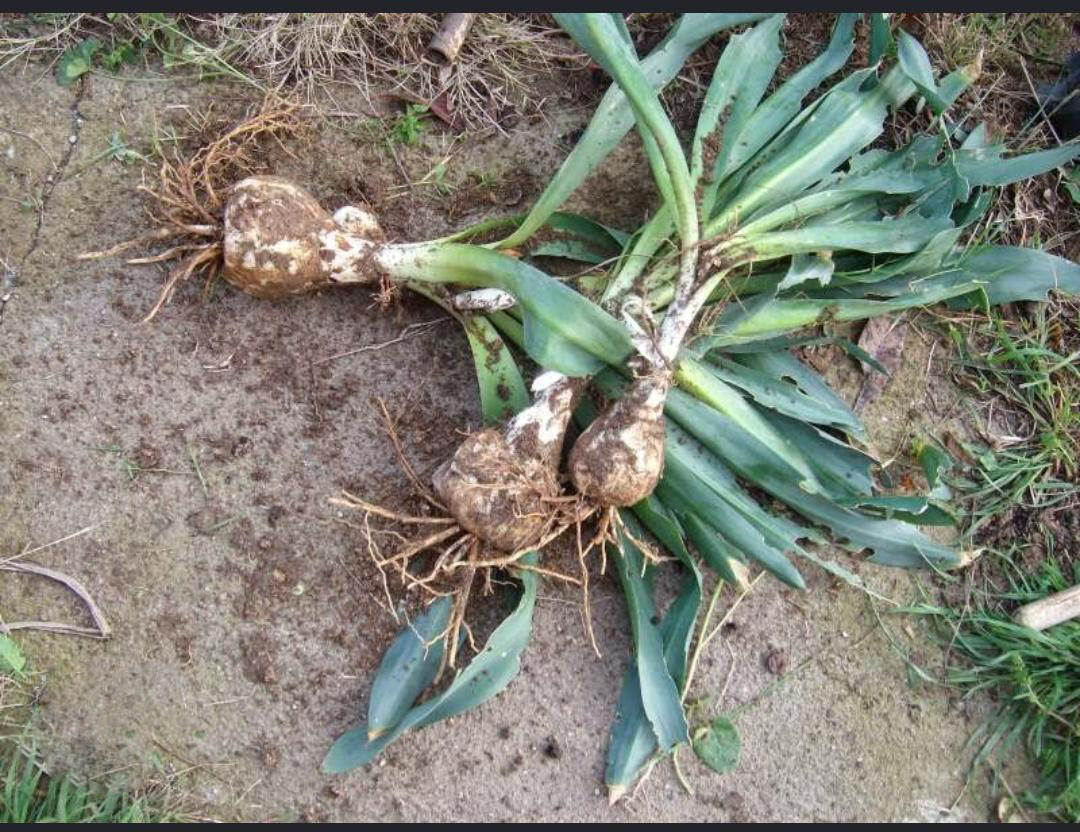
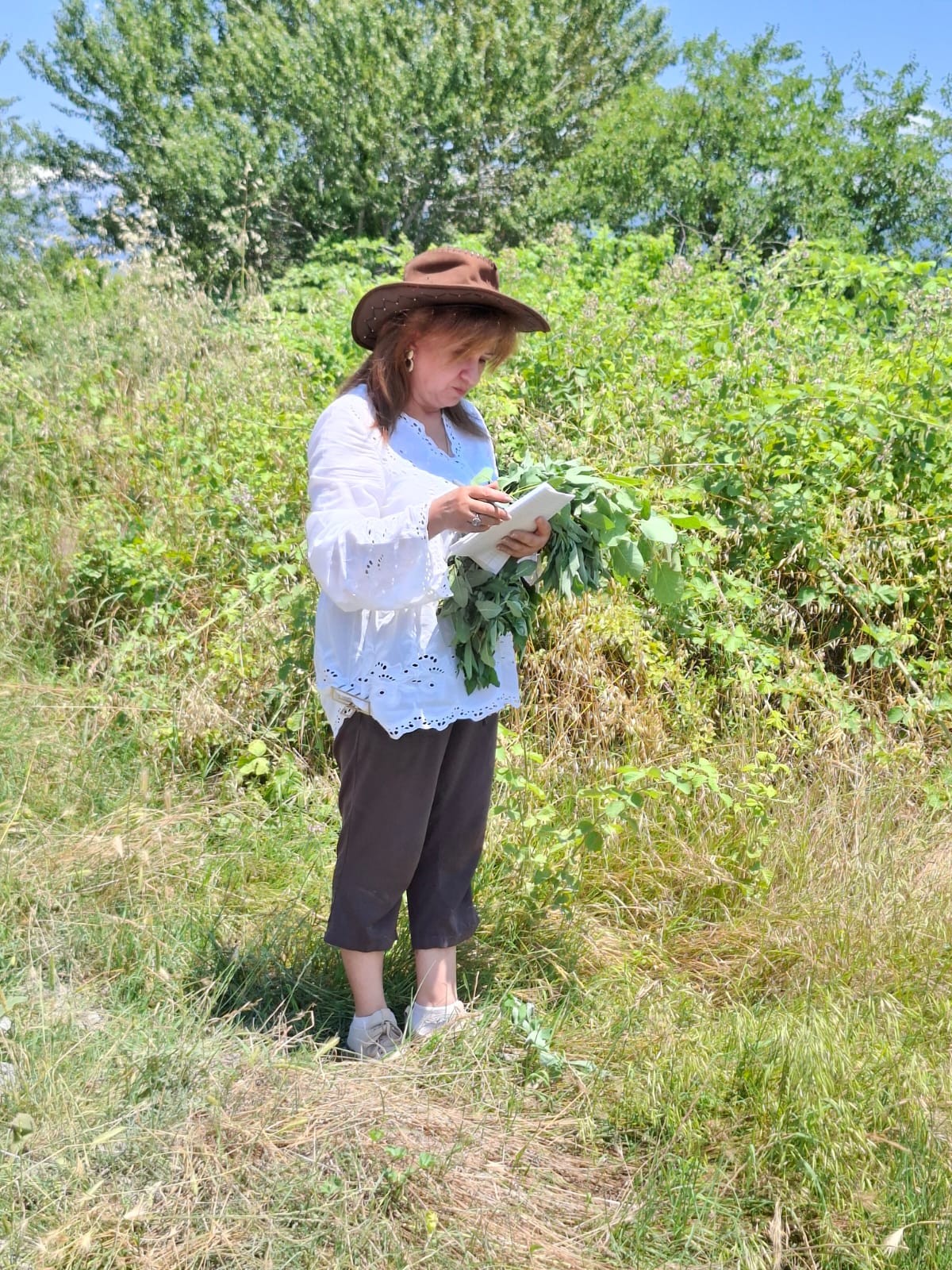
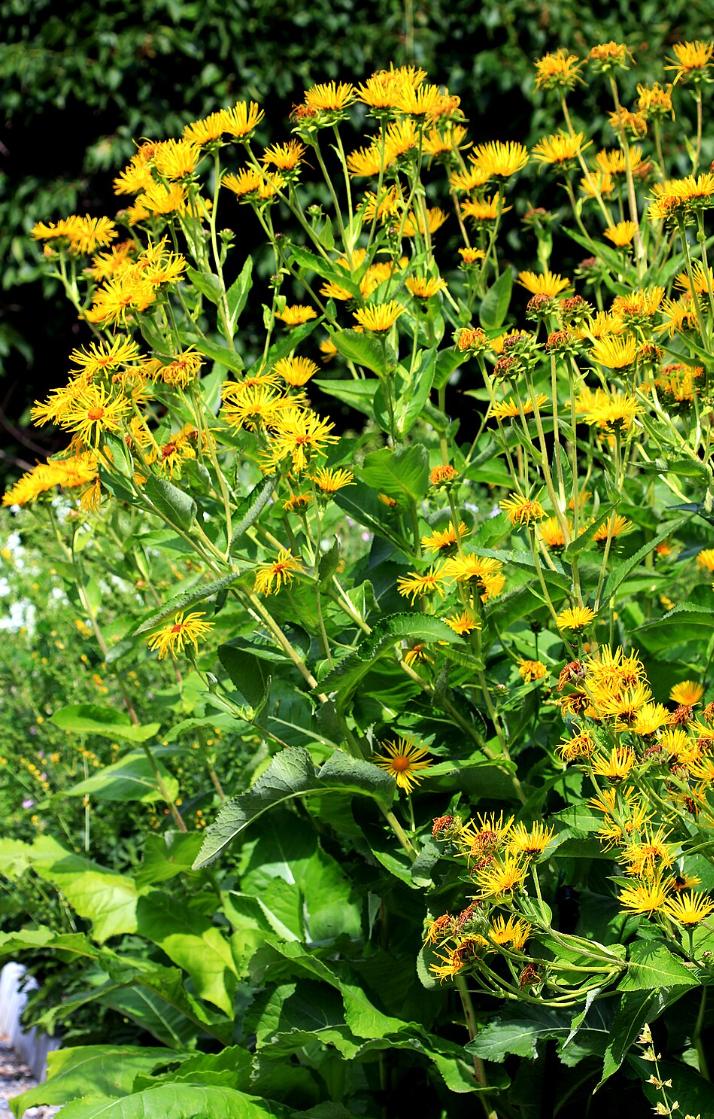
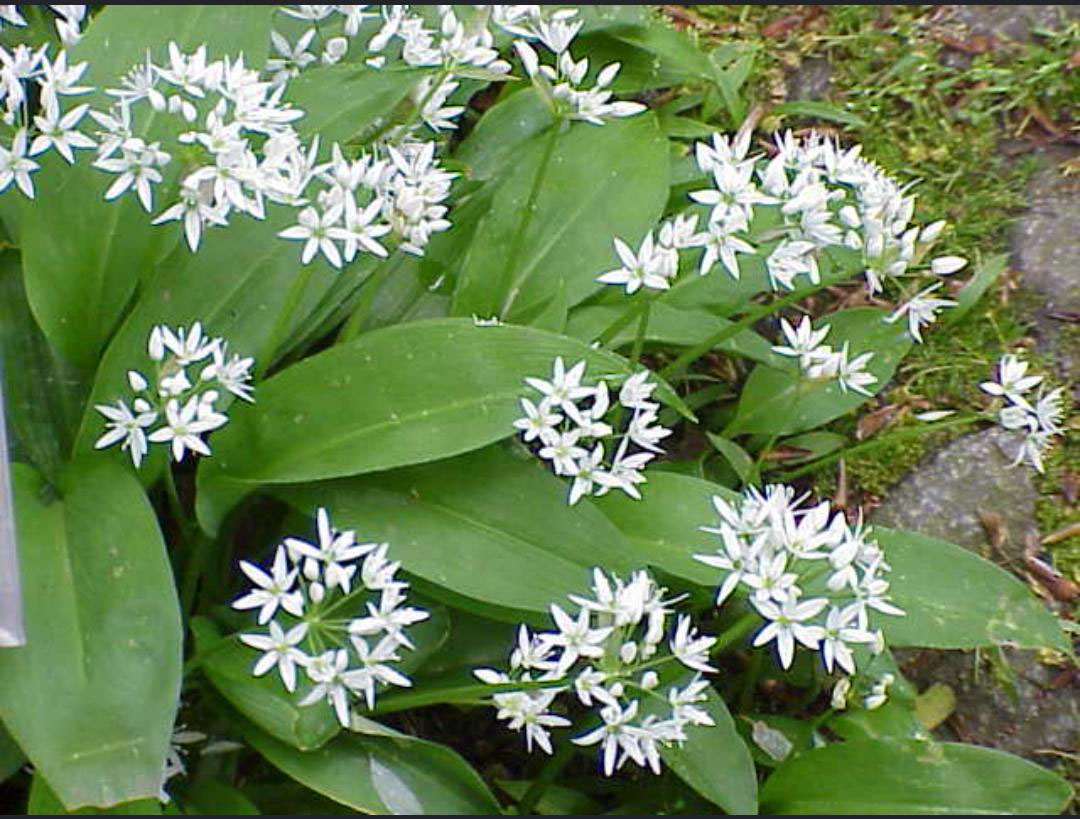
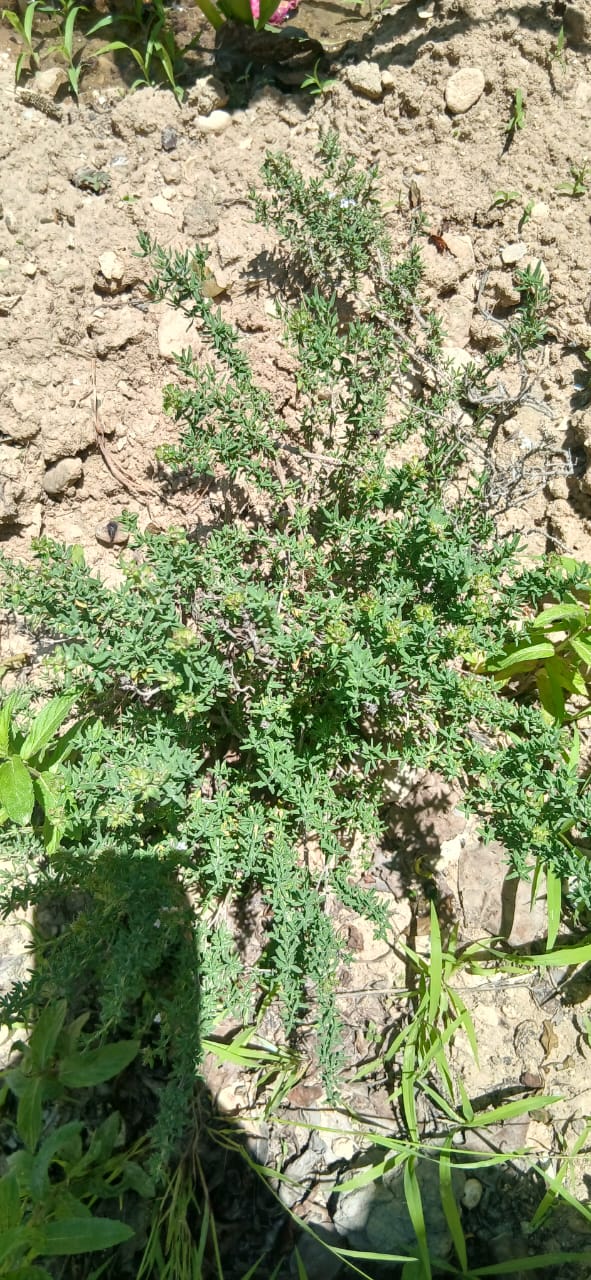
During the fieldwork, raw material, seeds, and fruits of medicinally used species belonging to the Asteraceae, Apiaceae, and Lamiaceae families were collected and prepared for laboratory analysis.
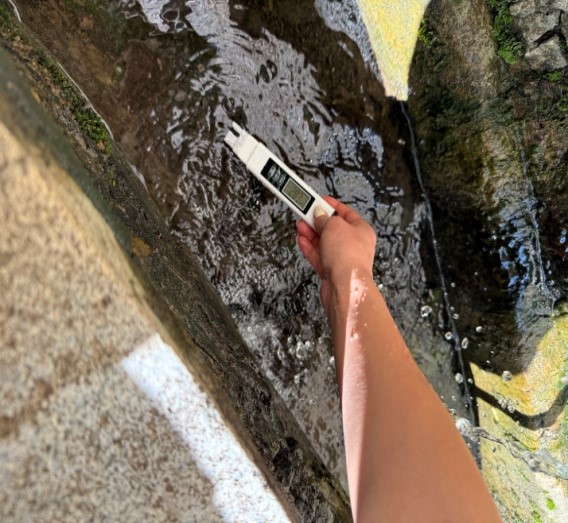
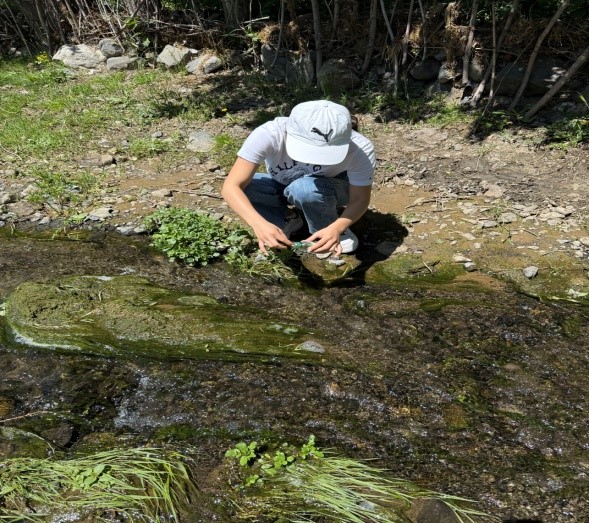
Algological research conducted in aquatic ecosystems determined that phytoplankton and periphyton groups predominate in the Kish and Shin rivers. Diatom and green algae species belonging to various ecological groups were recorded, 15 algae samples were collected for laboratory analysis. At the same time, the physicochemical parameters of the water were analyzed to assess the ecological condition.
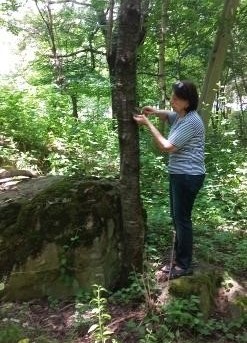
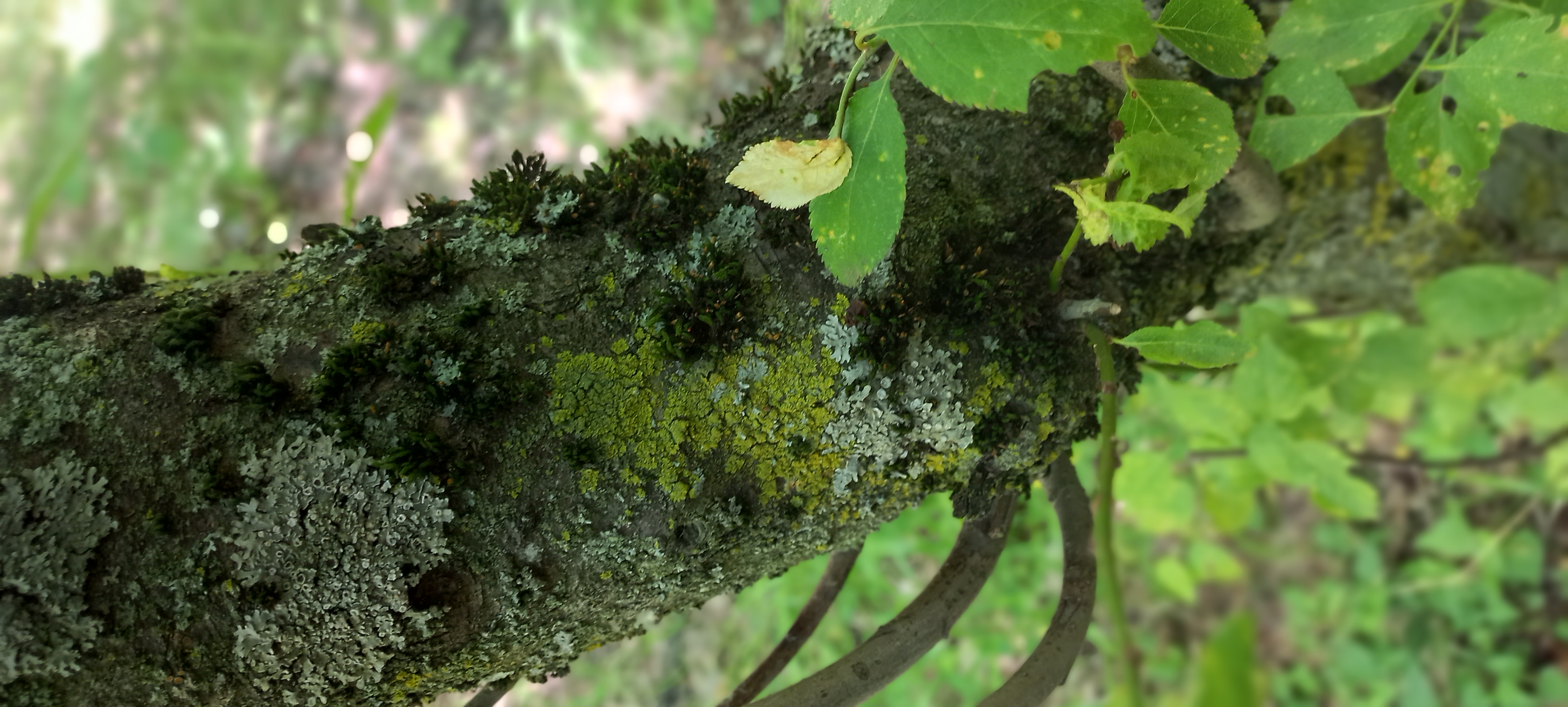
During lichenological research, 55 herbarium specimens were collected in forest ecosystems located at elevations of 500–1200 meters above sea level. The research recorded crustose, foliose, and fruticose lichens distributed on various tree species, soil, and rock surfaces, and laboratory research aimed at clarifying their species composition has begun.
As part of the expedition, geobotanical observations were carried out, GPS coordinates ofj the research areas were recorded and a database was compiled for the preparation of GIS-based maps. In addition, nearly 20 plant specimens were collected and subjected to drying and identification processes for the preparation of a herbarium collection.
1782974689.jpeg)









1730190904.jpg)