Modern research shows that Azerbaijan has more than 5,000 species of spore-bearing and seed-bearing plants.
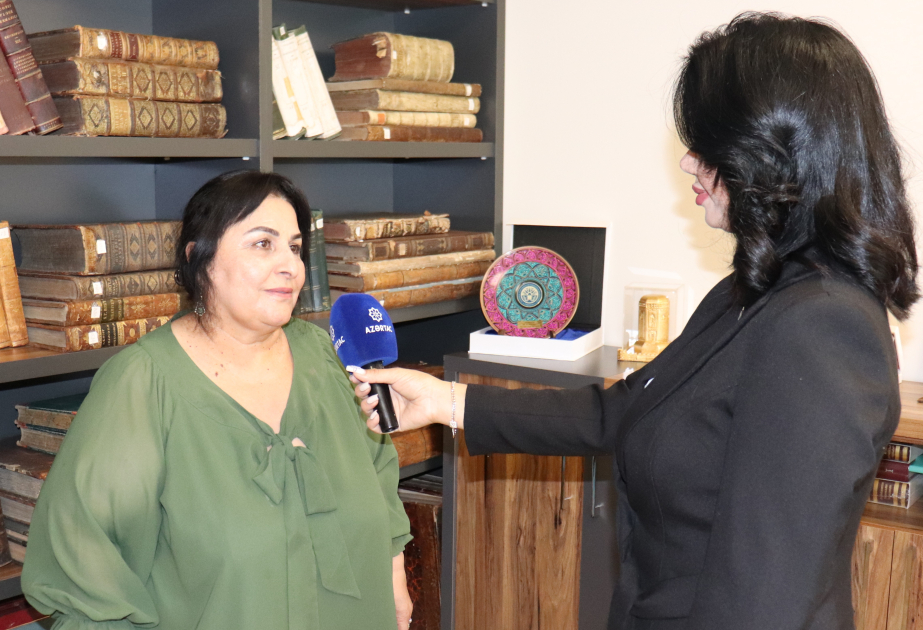
This was stated by Professor Sayyara Ibadullayeva, acting director of the Institute of Botany PLE of the Ministry of Science and Education of the Republic of Azerbaijan.
According to her speech, one of the significant changes currently taking place in plant systematics and geography relates to the reassessment of the status of endemic plants. During the period when earlier flora works were prepared, some plants considered endemic were later found, through subsequent floristic research, to also occur in the natural flora of neighboring countries. This shows that these taxa are not exclusive to Azerbaijan's flora and necessitates a review of their endemic status. Additionally, further research determined that some previously considered endemic taxa did not have independent and reliable species status, were taxonomically identical to other species, and it was more appropriate to treat them as synonyms. As a result of applying modern systematic and nomenclatural approaches, the number of plants considered endemic in Azerbaijan's flora has significantly decreased compared to previous figures.
The scientist emphasized that continuing floristic research with modern methods allows for more precise determination of the species composition, taxonomic structure, ranges, and level of endemism of Azerbaijan's flora. In this regard, reflecting new data in future editions of "The Flora of Azerbaijan" and in flora summaries of individual regions carries important scientific significance. The country needs floristic and systematic research to continuously protect the genetic resources of biodiversity and determine its current state. The main centers of form diversity, the distribution nature of hereditary diversity, and the intensity of species formation must be determined through systematic research. The latest data on plant species distributed in the botanical-geographical regions that had been under occupation, their population indicators, and ranges, were obtained only through research conducted (2021-2025) after our lands were liberated from occupation in 2020.
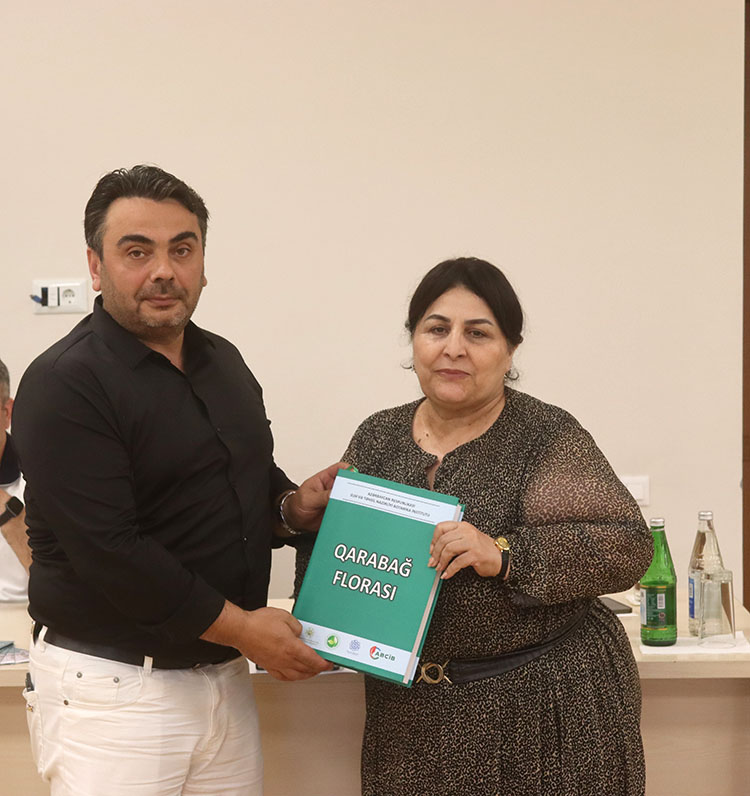
"Research was conducted only in areas that had been cleared of mines. As a result of the anthropogenic impacts on Karabakh's nature, the number of individuals of a number of valuable plant species sharply declined, and some species faced the threat of complete extinction. However, despite all these difficulties, we have continued our work steadily. As a result of the work carried out, an action plan consisting of a series of practical measures was prepared and implemented for the purpose of preserving rare and endangered plant species in the republic. Among the important work carried out in this direction, it is worth particularly noting the preparation of an information book on 'Rare and Endangered Plants of Karabakh,' 5 brochures on medicinal plants across the districts of Karabakh as a contribution to the Great Return, and 6 booklets aimed at supporting the development of veterinary medicine, poultry farming, and beekeeping. One of our most important achievements is the publication, in 2024, of the fundamental work titled 'The Flora of Karabakh' for the first time in 90 years. This work carries important scientific significance for studying Karabakh's rich plant cover, protecting rare and endangered plant species, and passing this heritage on to future generations," she noted.
The professor added that landscapes typical of Karabakh have been well preserved within the republic's territory. Natural corners distinguished by their special beauty, endemic and relict plant species, centuries-old trees, examples of garden-park art, waterfalls, caves, rare lakes, underground water pits, kahrizes (underground irrigation channels), and other notable natural sites have been registered as natural monuments. Before the war, perennial trees in Karabakh's territory that were more than 2,000 years old were also included among the natural monuments. Rare and long-lived trees were not only an important component of Karabakh’s natural heritage but also contributed to the preservation of the region’s biodiversity and historical landscape characteristics.







1791958830.jpg)


1730190904.jpg)