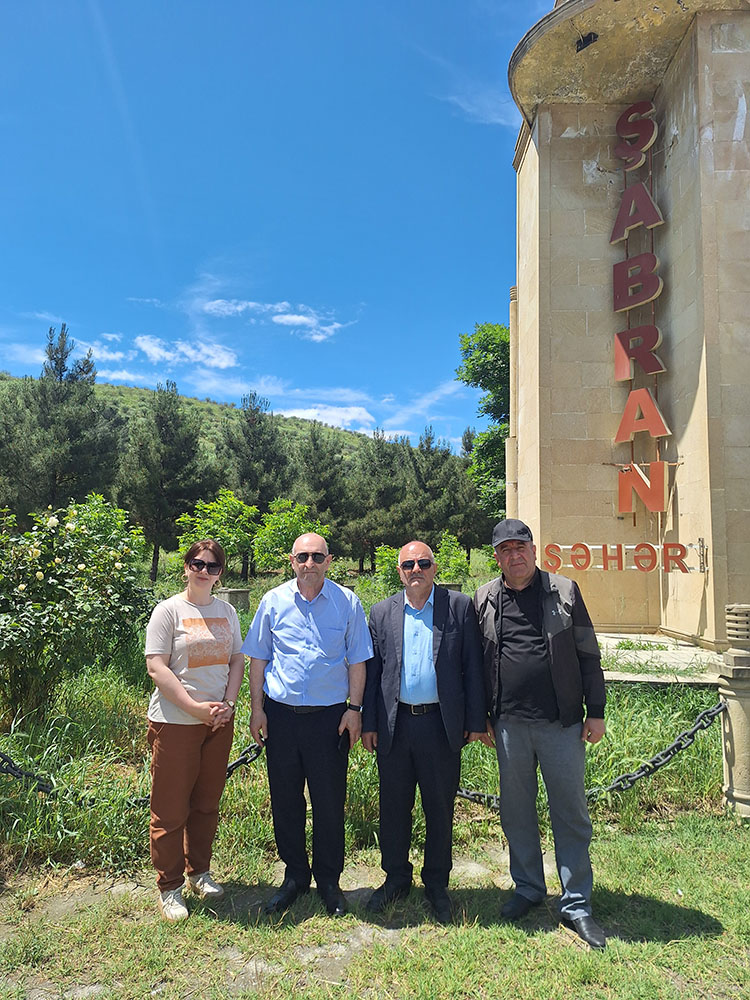
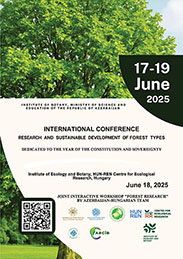
A scientific expedition was carried out in the Guba–Shabran botanical-geographical region by researchers of the Dendrochronology and Plant Protection Laboratory of the Institute of Botany PLE under the Ministry of Science and Education.
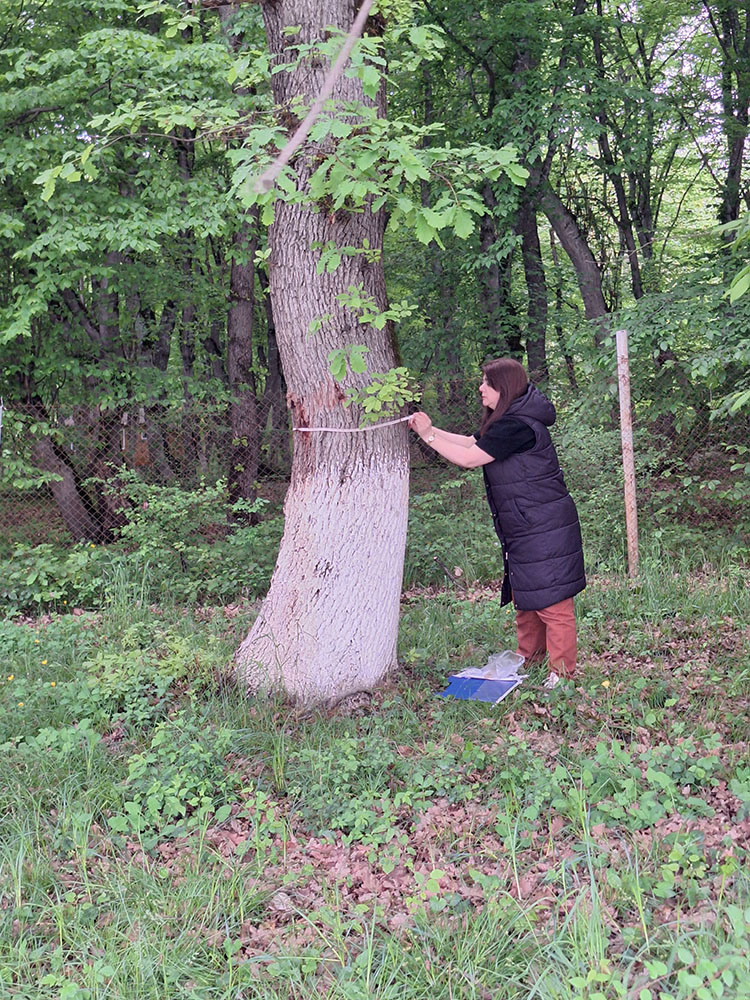
The main objective of the expedition was to study the effects of climate change, drought processes, and anthropogenic impacts on tree growth in forest ecosystems located in the northeastern part of the Greater Caucasus, as well as to evaluate the speard of hazardous pathogens and parasitic plants.
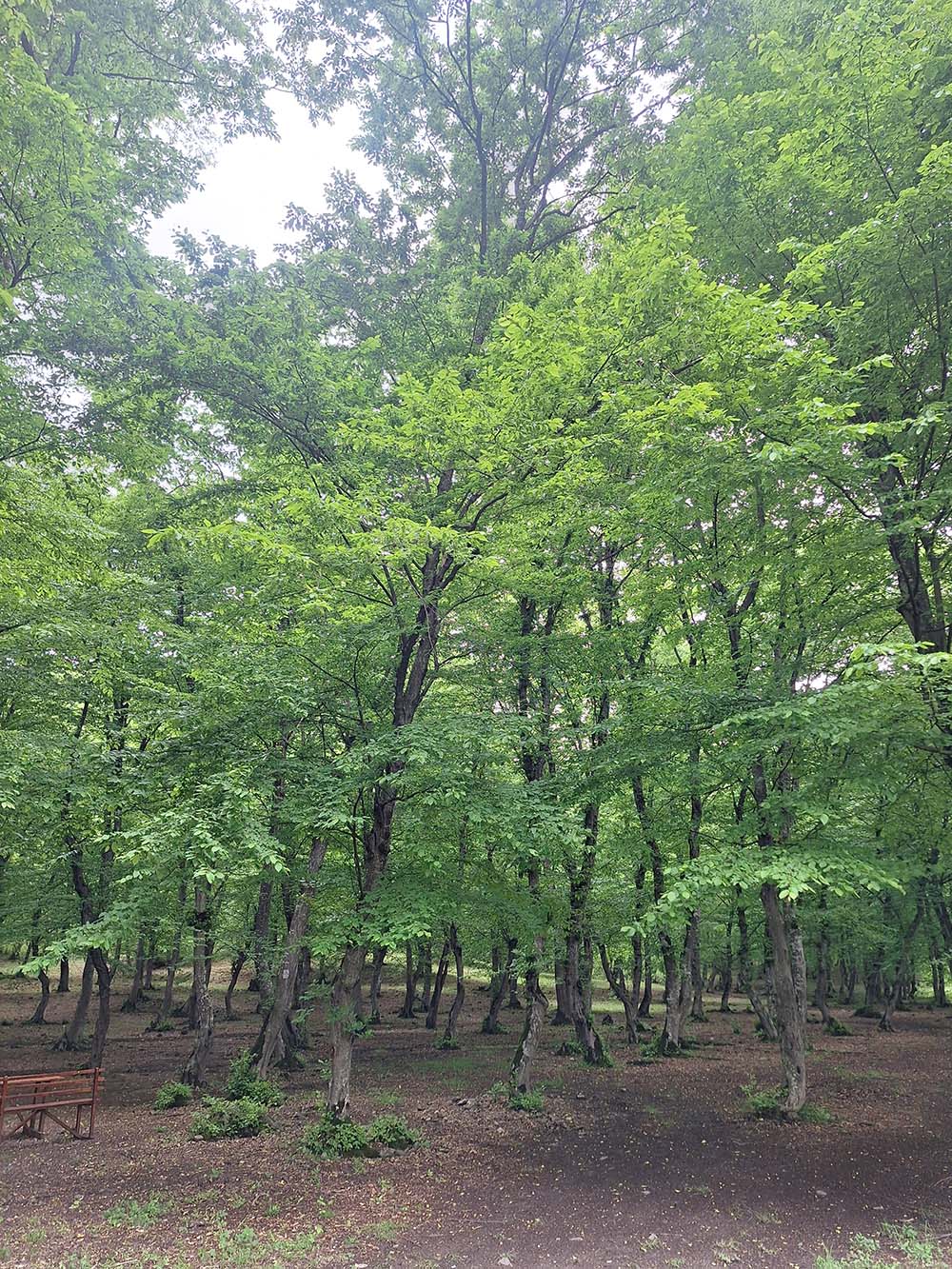
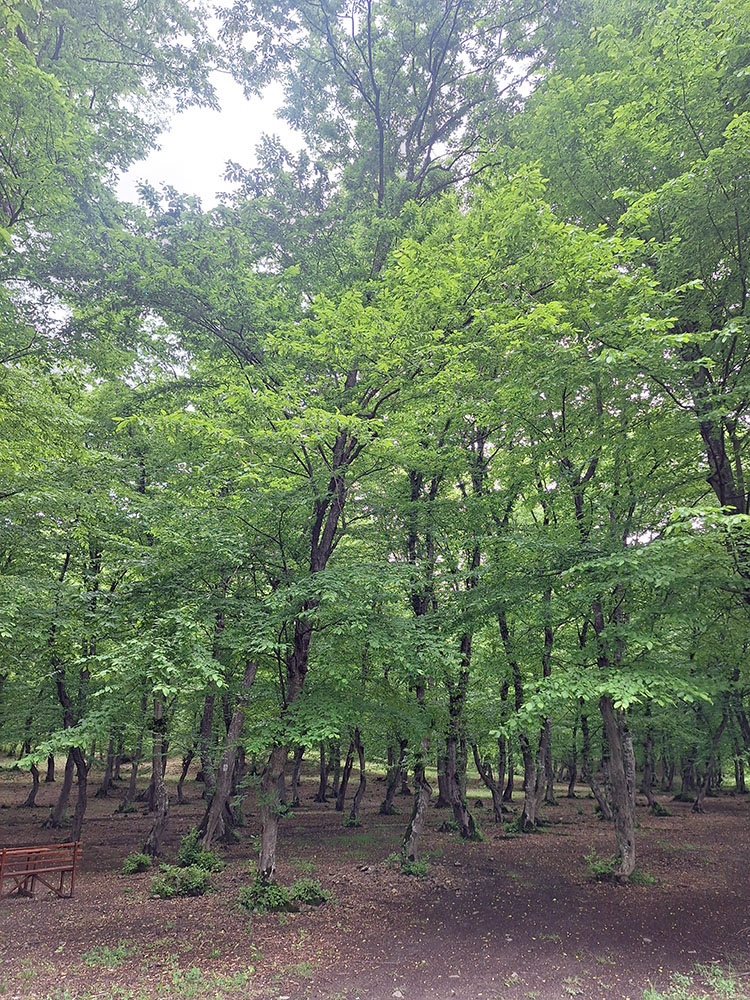
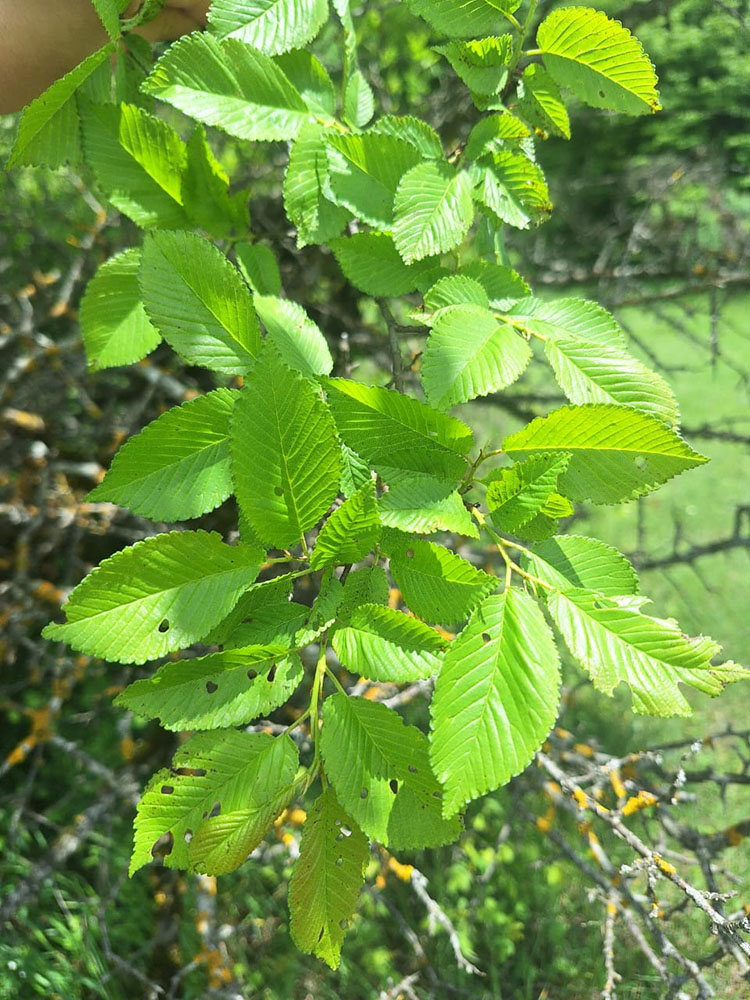
During the research, monitoring was carried out in forest areas located in different altitudinal zones of the Guba, Gusar, and Shabran districts, and the morphological and phenological characteristics of Georgian oak, hornbeam, and hawthorn species were evaluated. As a result of the observations, it was determined that forest cover in the Guba and Gusar districts is in a more stable and healthy condition, whereas in some areas of the Shabran district, signs of soil dryness, crown thinning, and leaf scorch were observed.
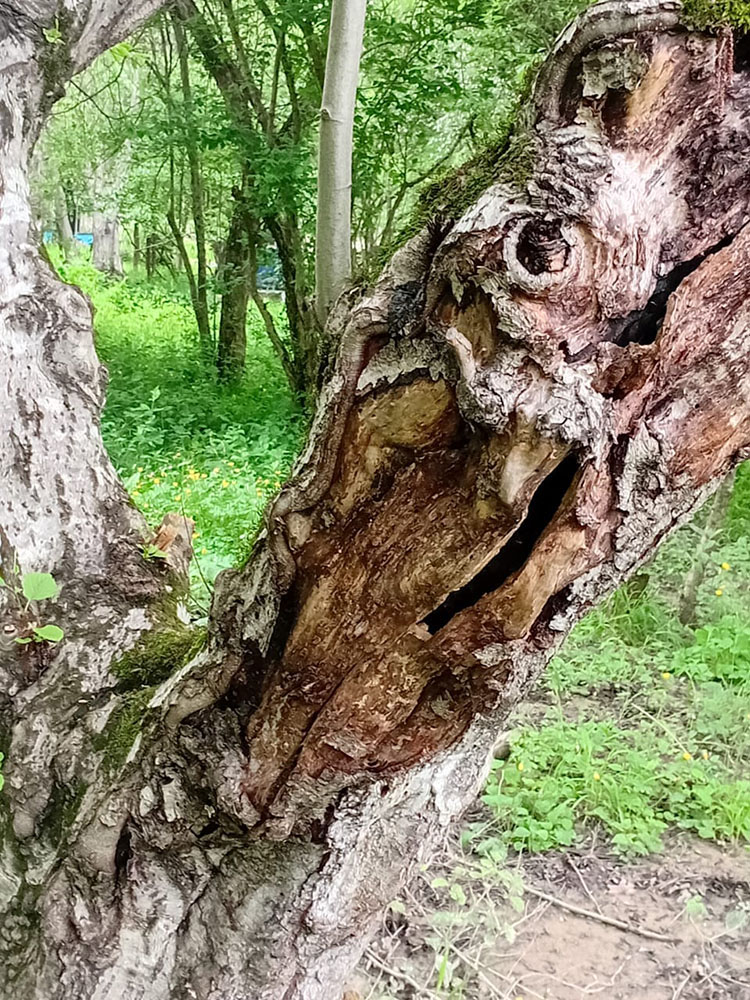
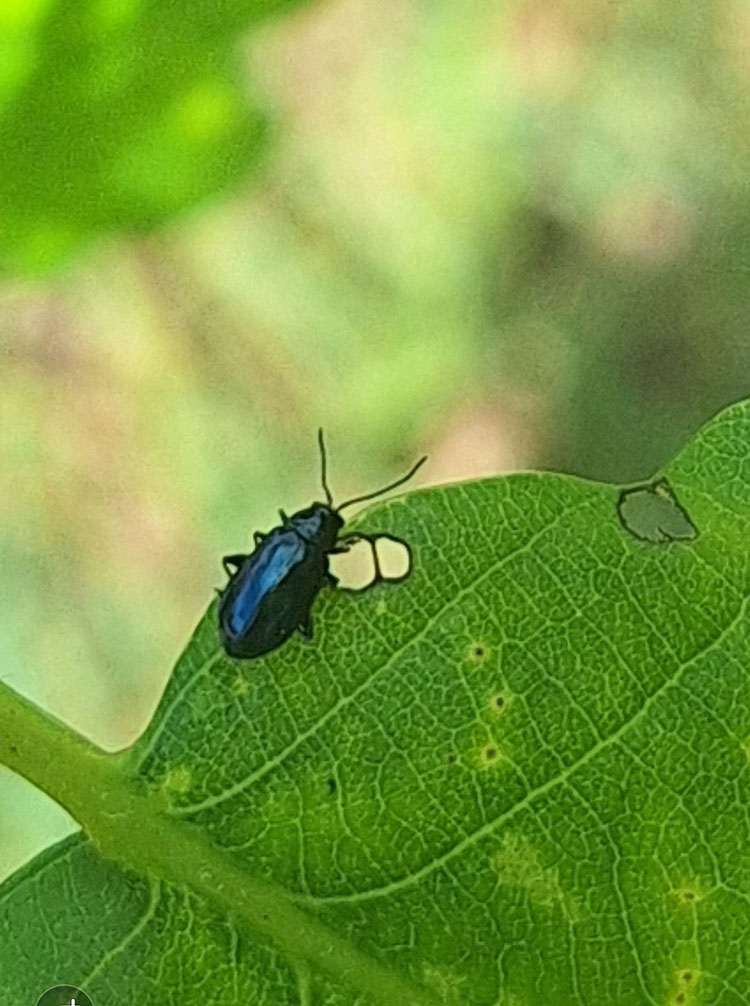
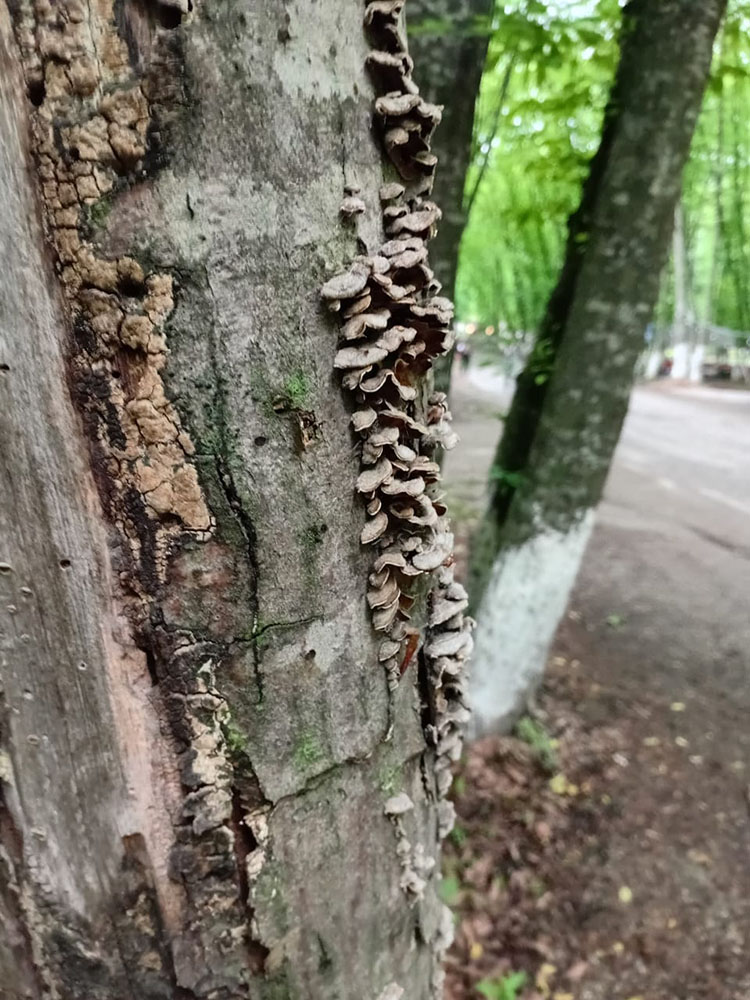
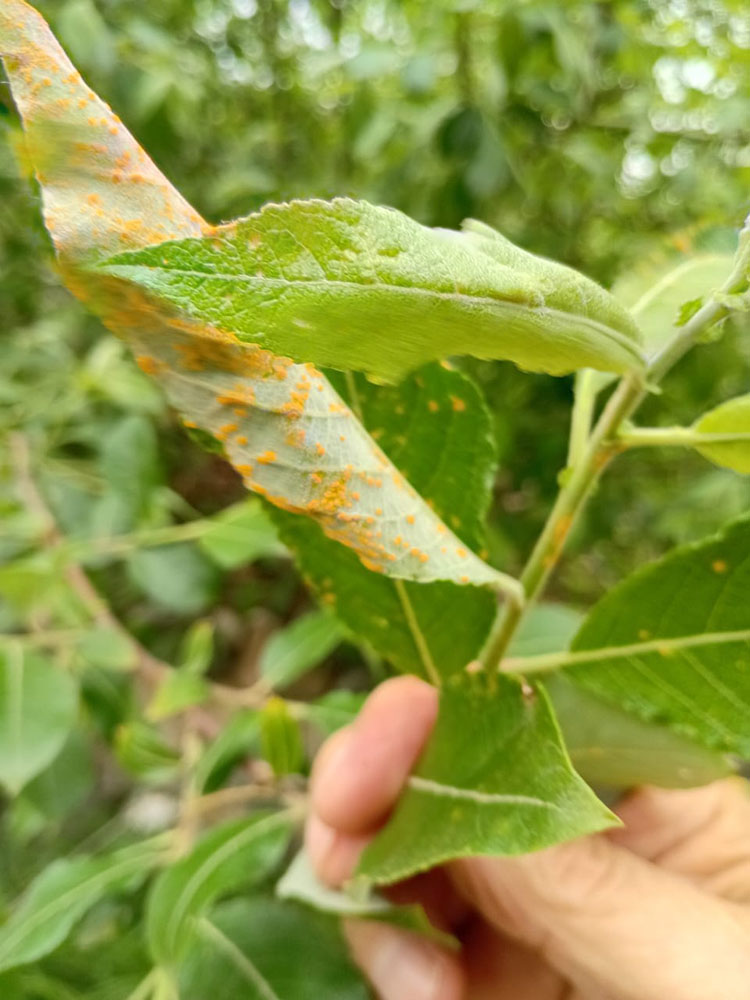
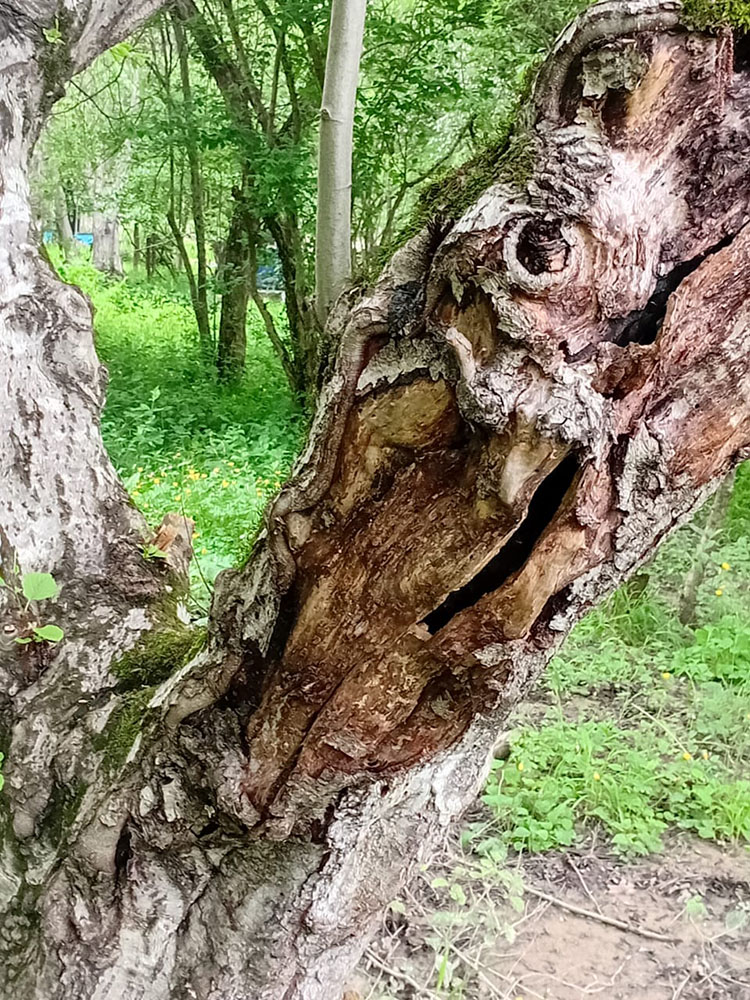
During phytosanitary research, diseases, pests, and parasitic plants found on forest trees were studied. Based on preliminary results, it was determined that diseases such as powdery mildew, root rot, cytosporosis, black cancer, gummosis, and leaf black spot, as well as bracket fungi and stump fungi, are spread across different areas of the region.
During monitoring, the distribution of mistletoe (Viscum album L.), one of the widely spread parasitic plants in the forest ecosystems of the Guba–Shabran botanical-geographical region, was also studied. Observations have shown that this species, belonging to the family Viscaceae, is widely distributed on the trunks and branches of hornbeam, howthorn, elm, wild pear, beech, oak, and other broad-leaved tree species. The mistletoe, which lives a semi-parasitic lifestyle on trees and shrubs, absorbs water and mineral substances from the host plant through special root-like structures and negatively affects its normal development.
Based on the results obtained, it is planned to develop environmentally safe sanitary-preventive and protective measures against dangerous diseases, pests, and parasitic plants.












1730190904.jpg)