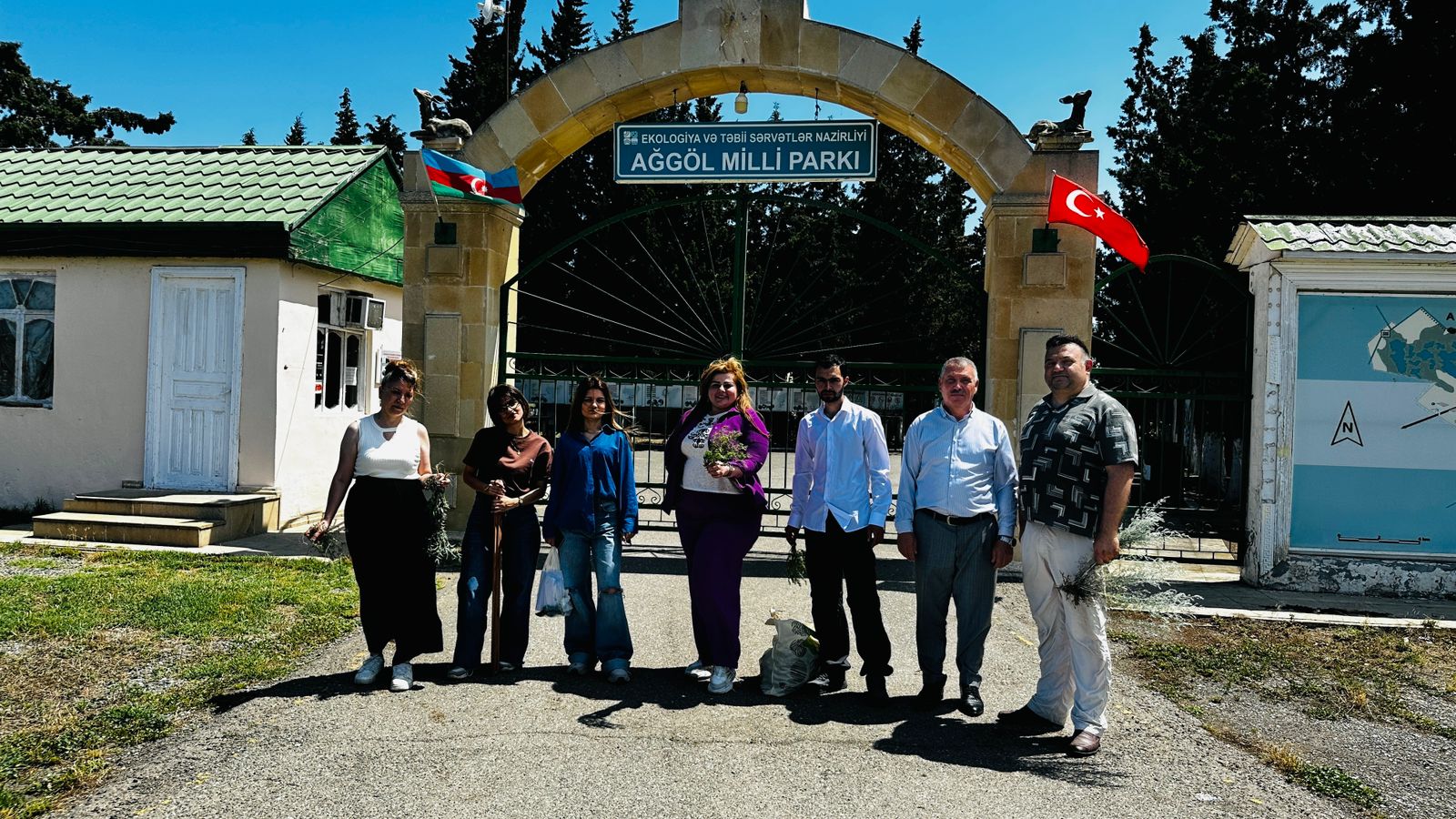
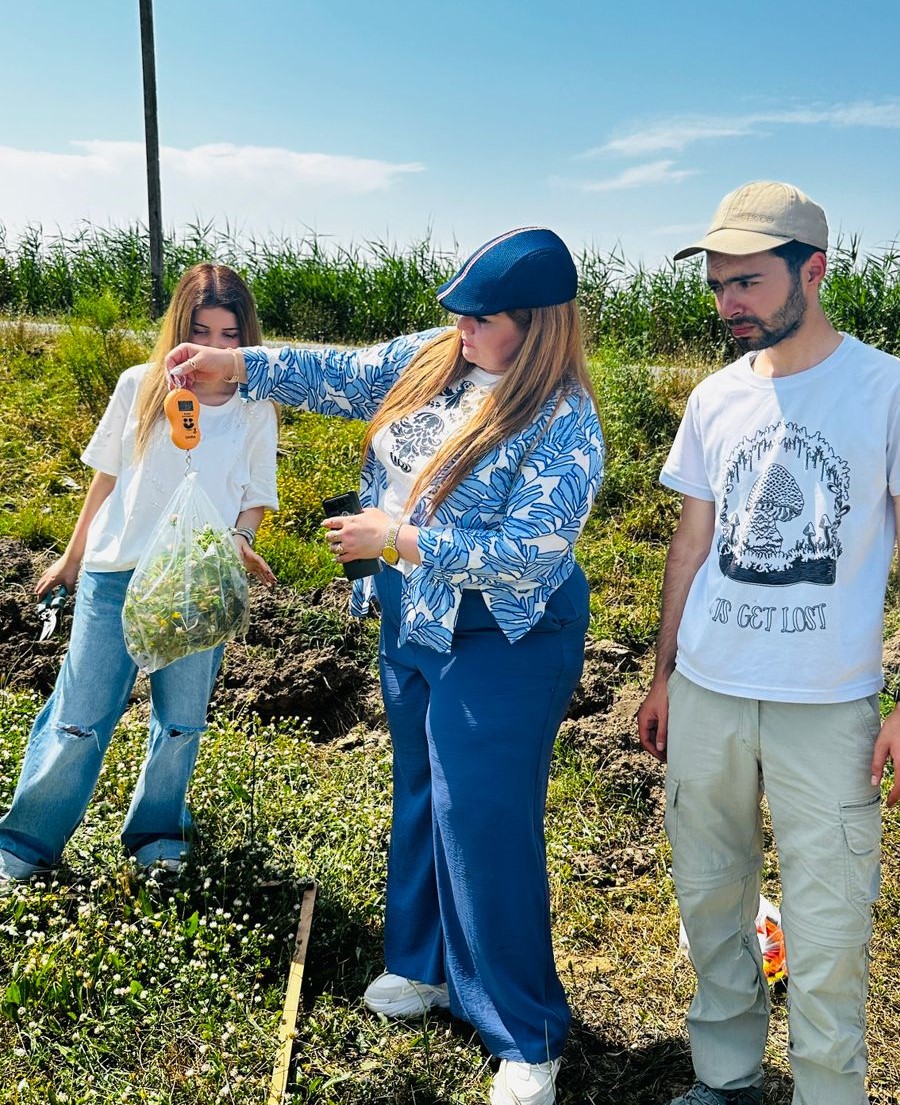
An expedition was carried out by the staff of the Laboratory of Vegetation Transformation, Ecology and Mapping of the Institute of Botany PLE of the Ministry of Science and Education of the Republic of Azerbaijan in the winter pastures of the Aghjabadi and Beylagan districts located within the Mil-Karabakh massif.
The main goal of the expedition was to assess and document the transformation processes occurring in the vegetation cover of winter pastures (degradation, changes in the dominant species composition, and the impact of anthropogenic pressure).
The Mil-Karabakh massif is located in the western part of the Kur-Araz lowland, covering the Aghjabadi, Beylagan, Barda, Tartar, Aghdam, Fuzuli, Imishli, and Yevlakh districts.This area, which has played an important role in the development of animal husbandry for many years, has recently undergone serious ecological changes as a result of intensifying anthropogenic impacts, changes in irrigation systems, intensive use of land resources, and climate change.
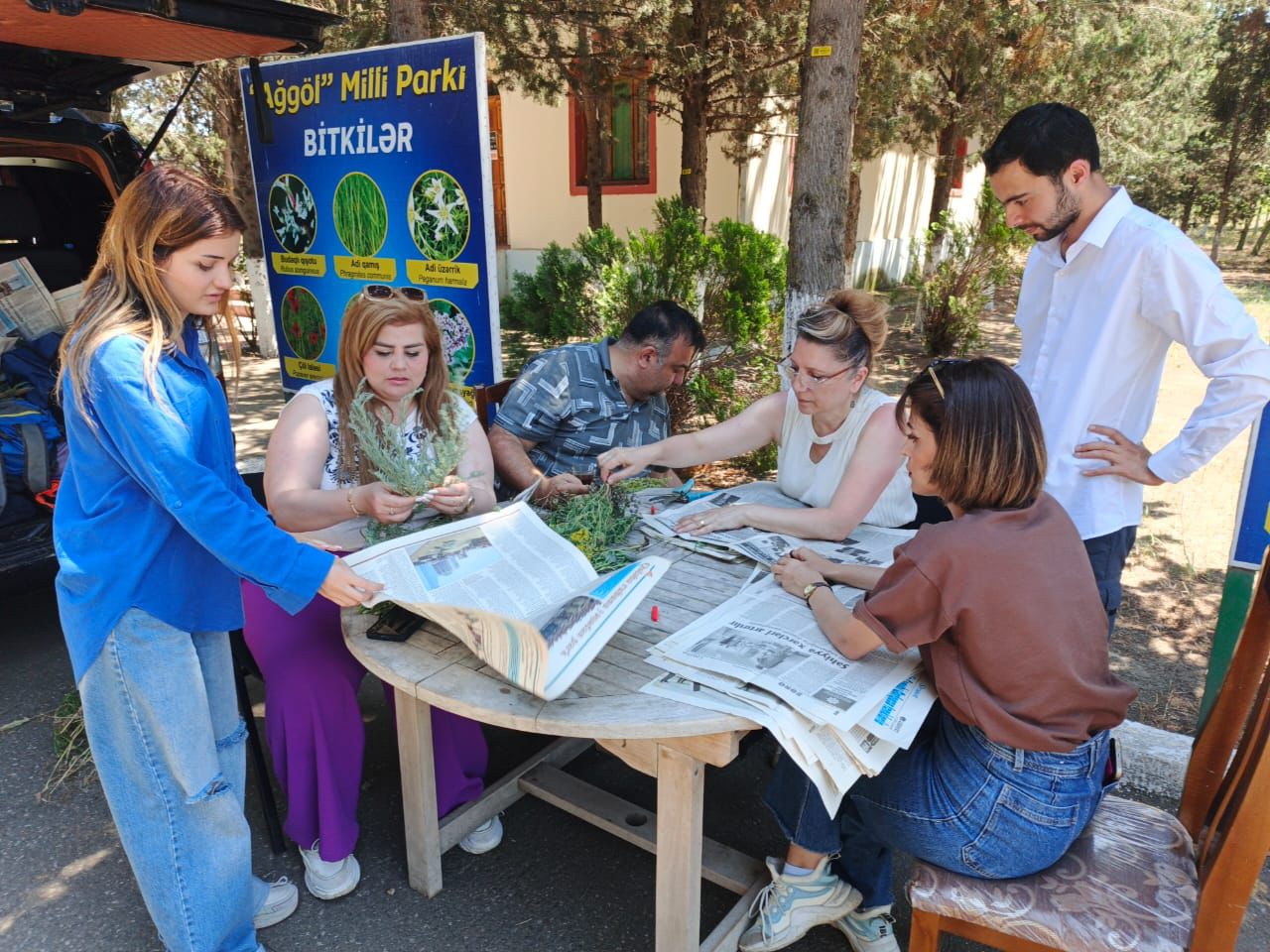
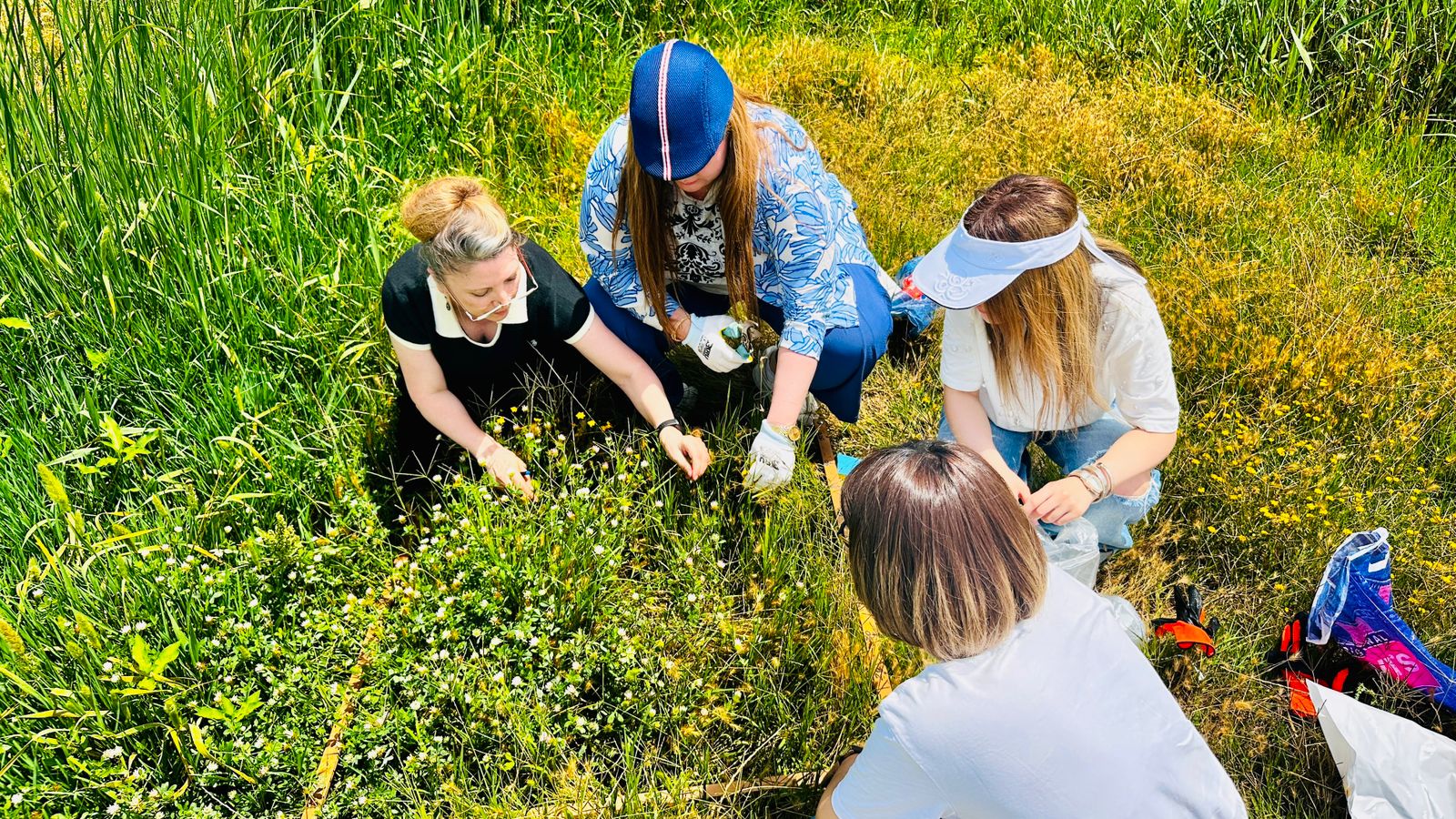
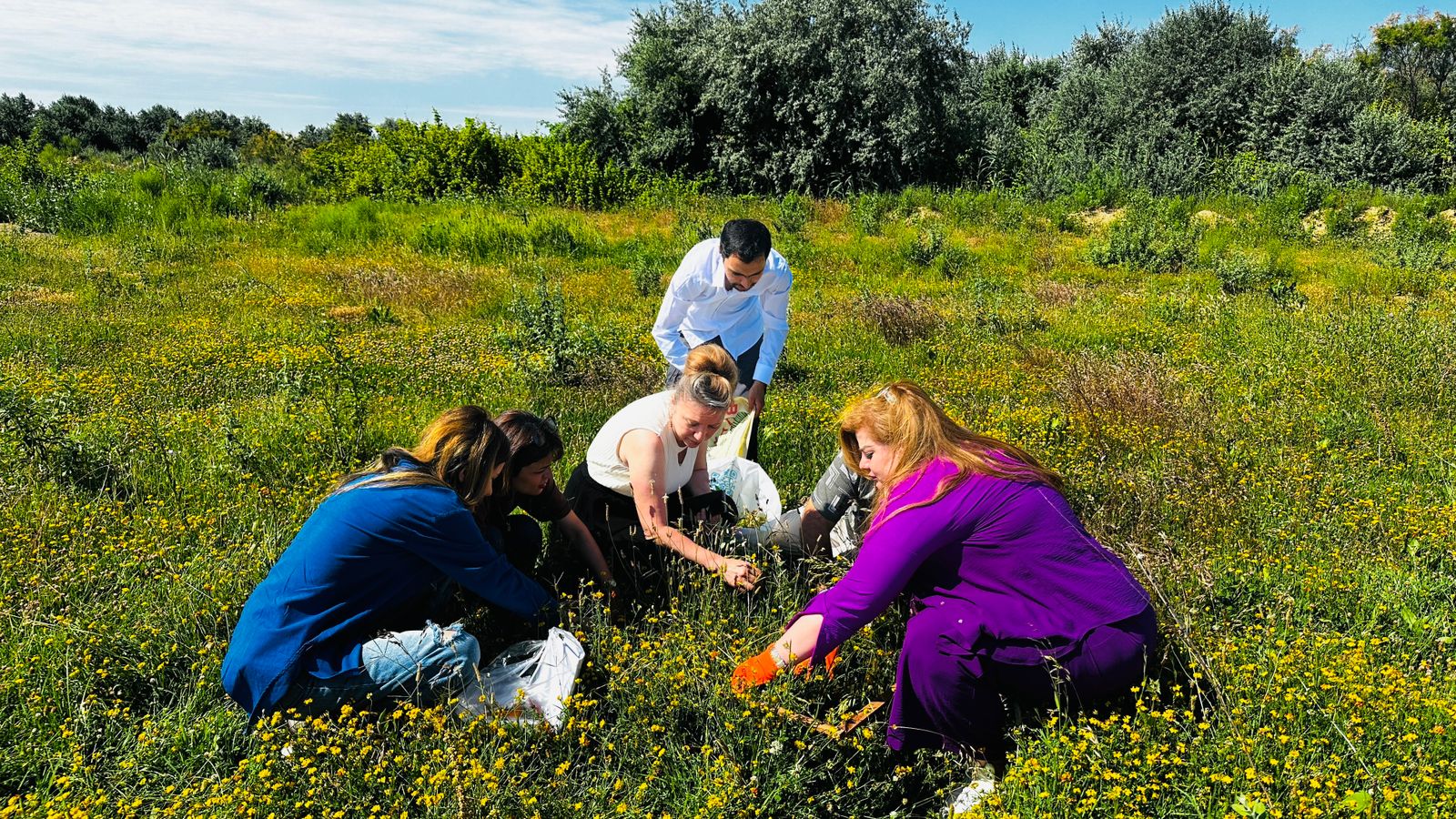
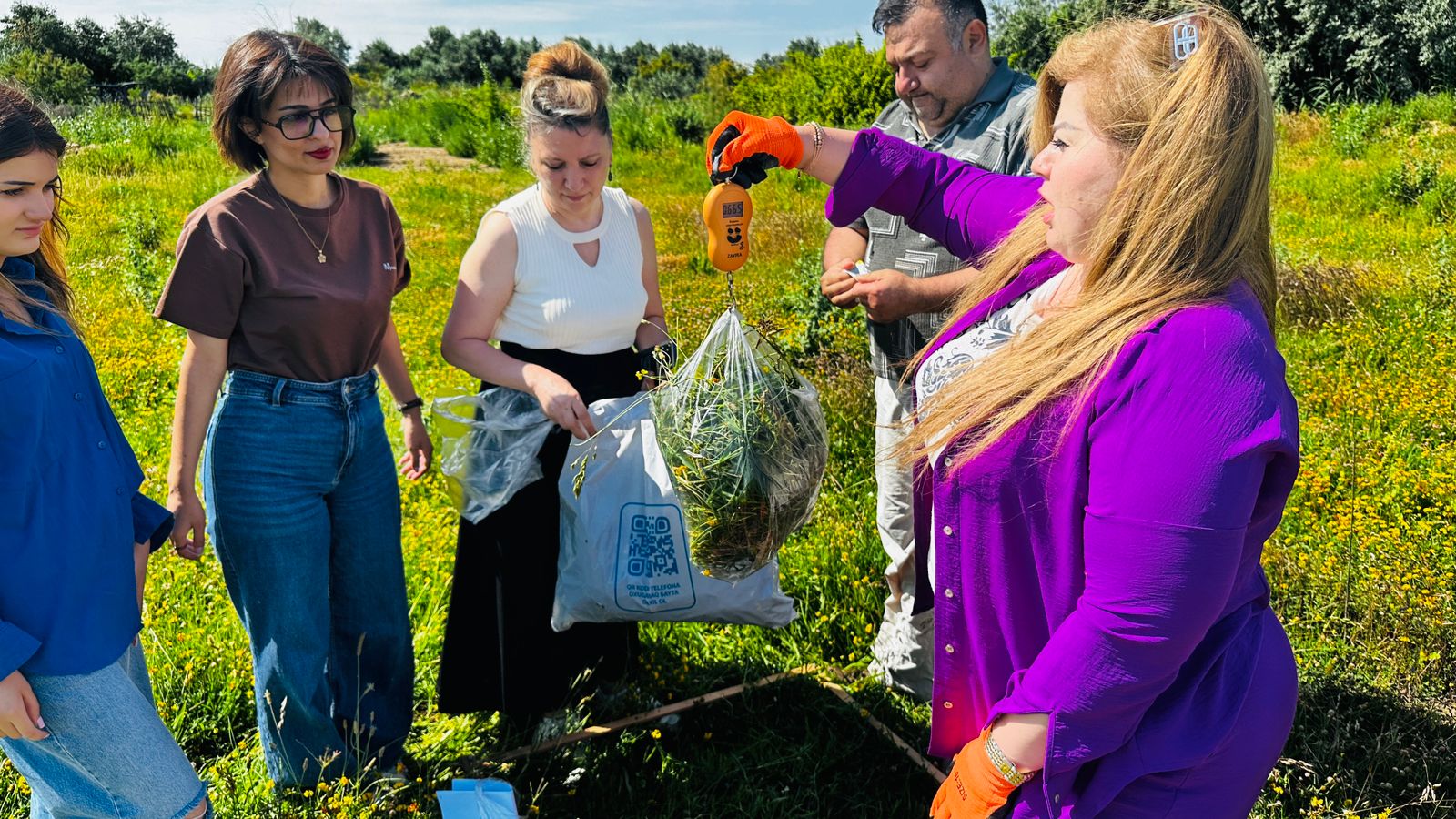
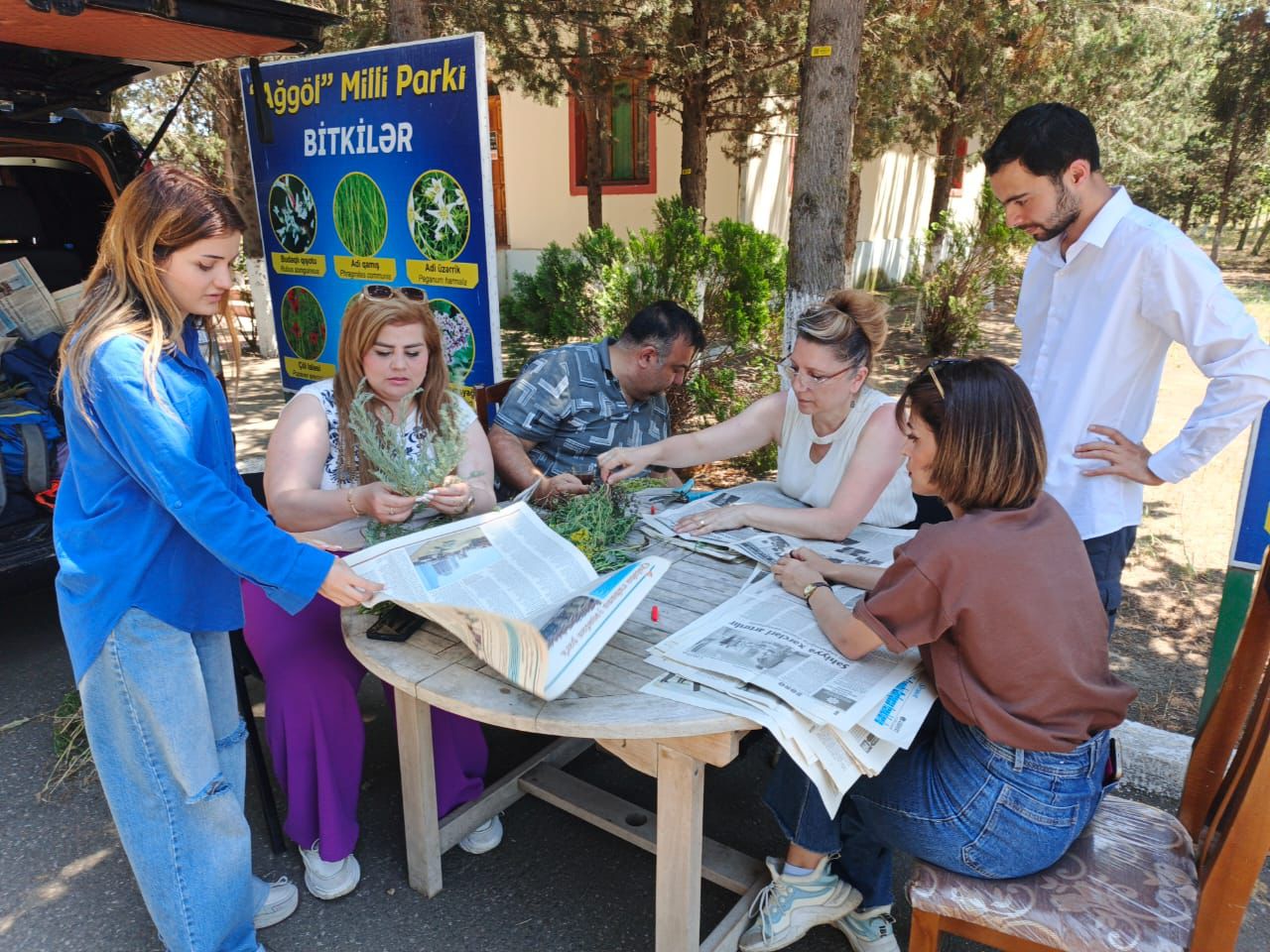
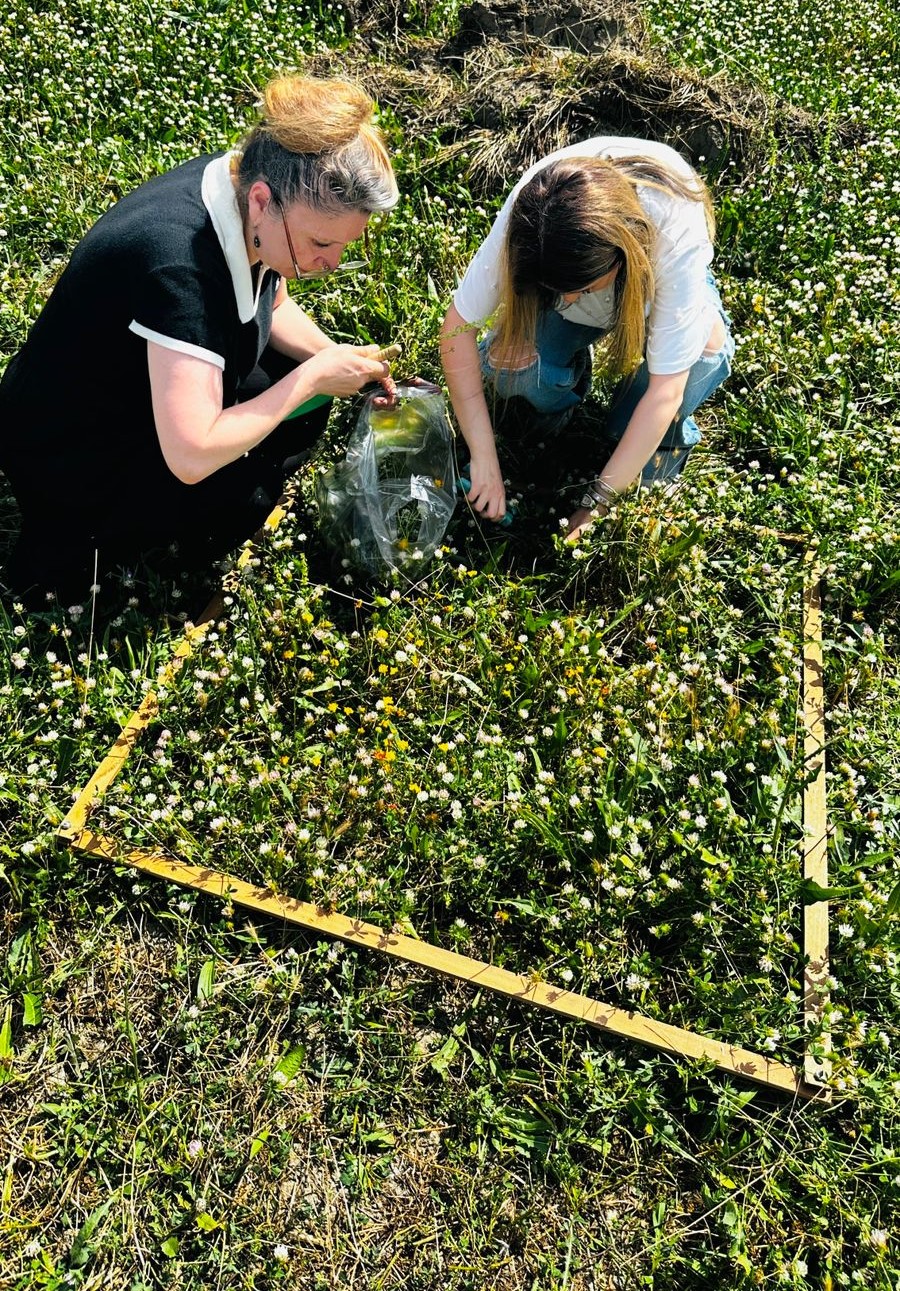
The research was carried out based on field observations, comparative analysis, and geobotanical methods. During the expedition, nearly 80 plant specimens belonging to various families were collected, their GPS coordinates were recorded, herbarium materials were prepared, and work on their identification began. The data obtained has been systematized for future GIS-based mapping and monitoring studies.
During the observations, various plant formations were recorded in the winter pastures. Plant communities dominated by Szovits wormwood (Artemisia szowitsiana) were identified in the pasture areas surrounding Allahyarlı village of the Beylagan district. In the areas bordering Aghgol National Park, as well as in several winter pastures of the Aghjabadi district, common camelthorn (Alhagi pseudoalhagi) was observed to be the dominant species and, in some locations, the monodominant species. In other pasture areas of the Aghjabadi district, vegetation dominated by Bermuda grass (Cynodon dactylon) was recorded.
According to the results of the study, investigating the characteristics of winter pasture plant communities is of great importance for their sustainable use, the conservation of pasture ecosystems, and the prevention of desertification processes.












1730190904.jpg)