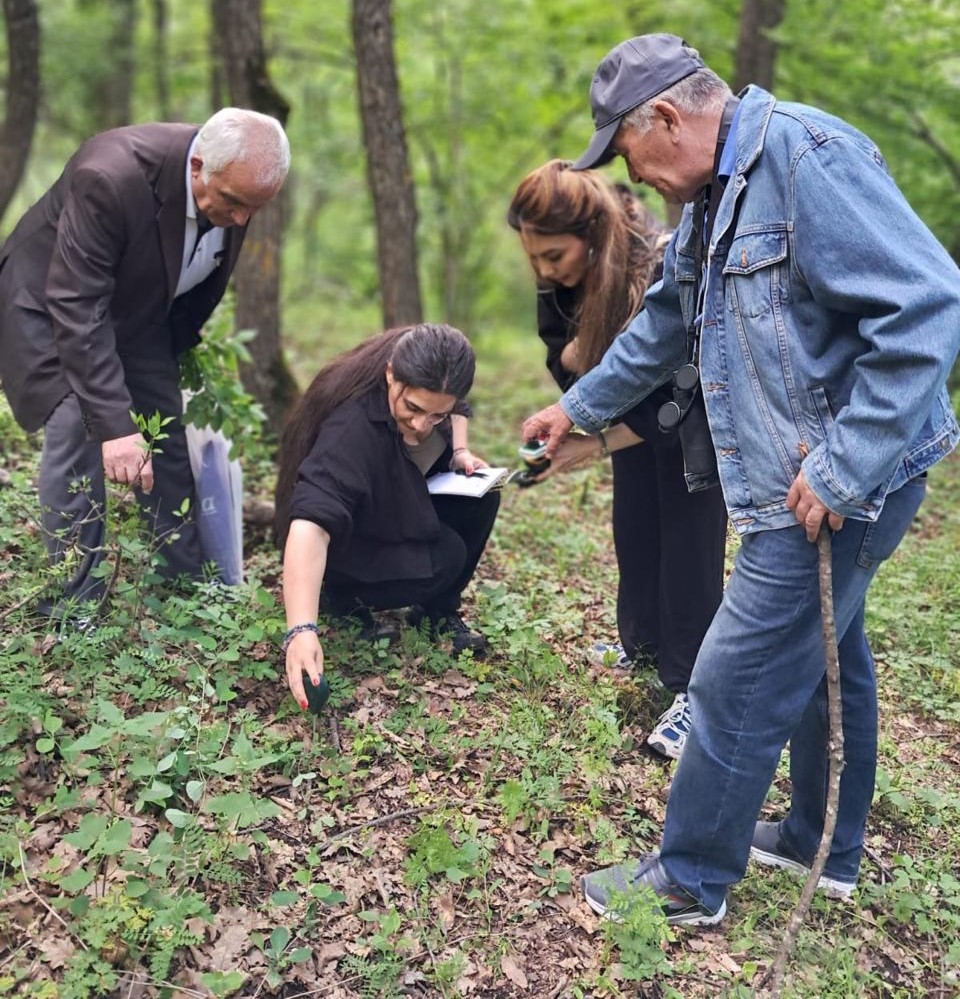
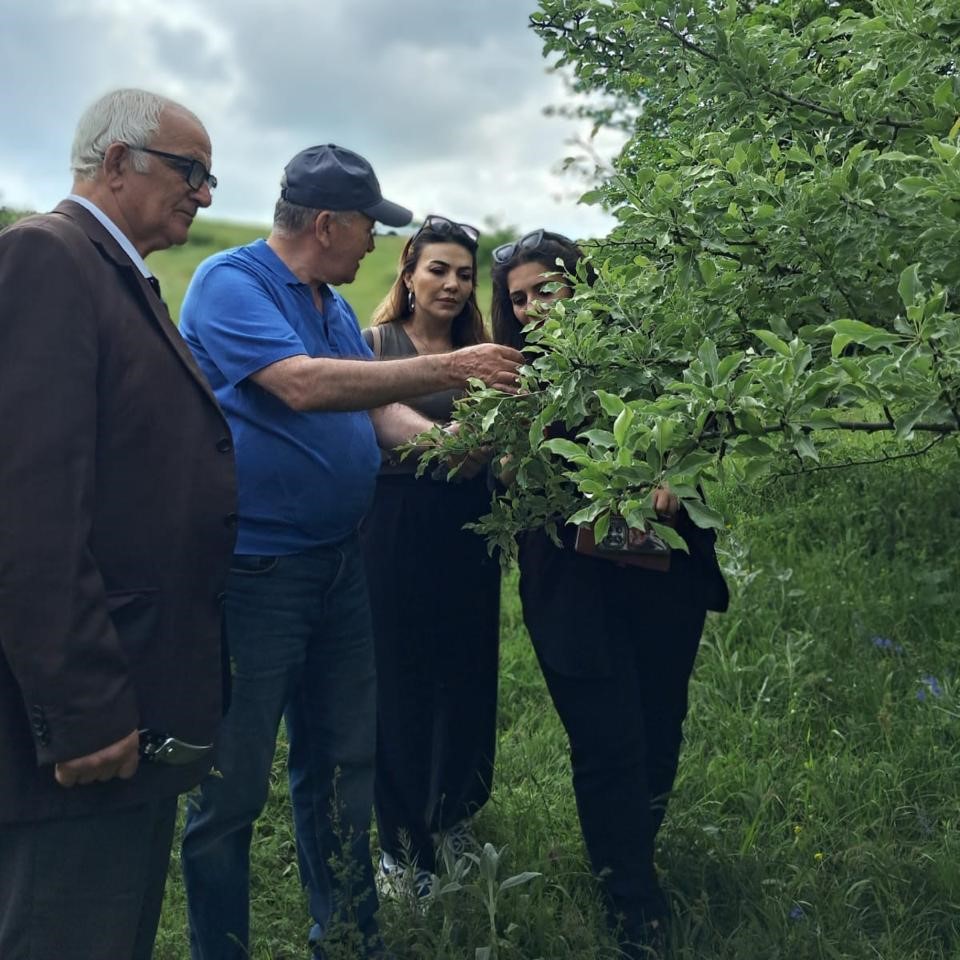
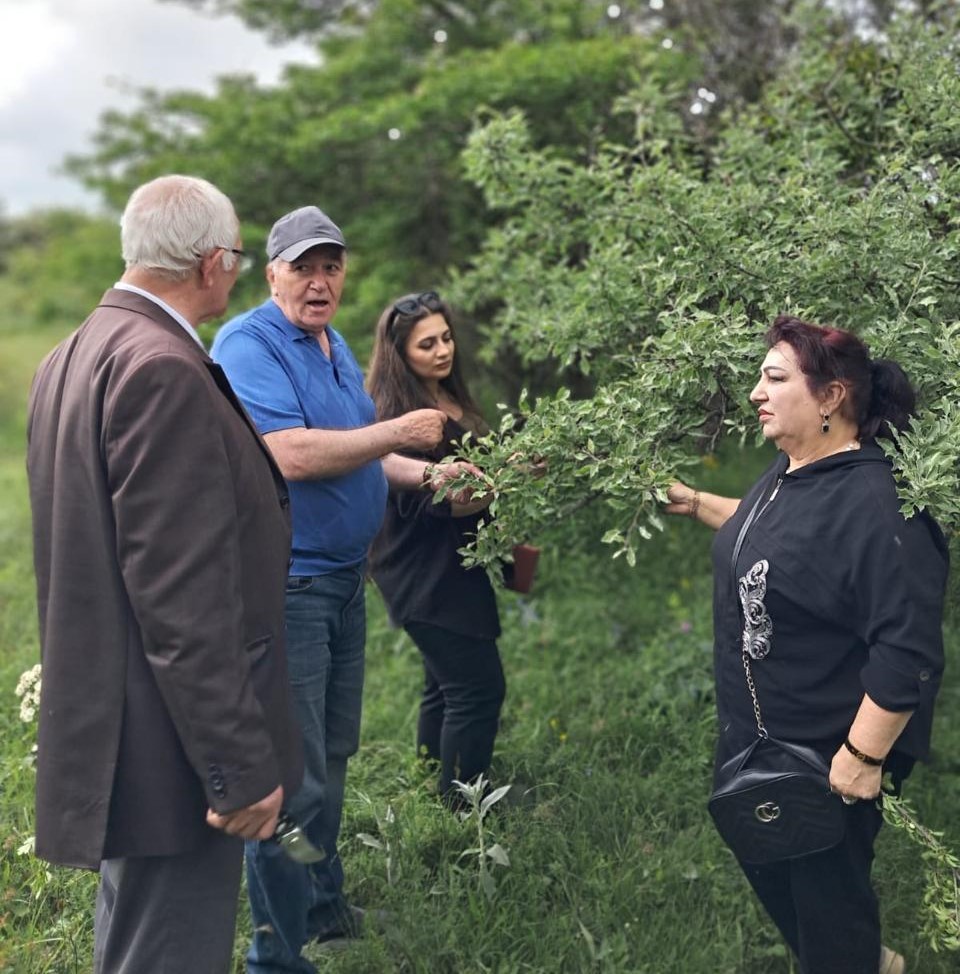
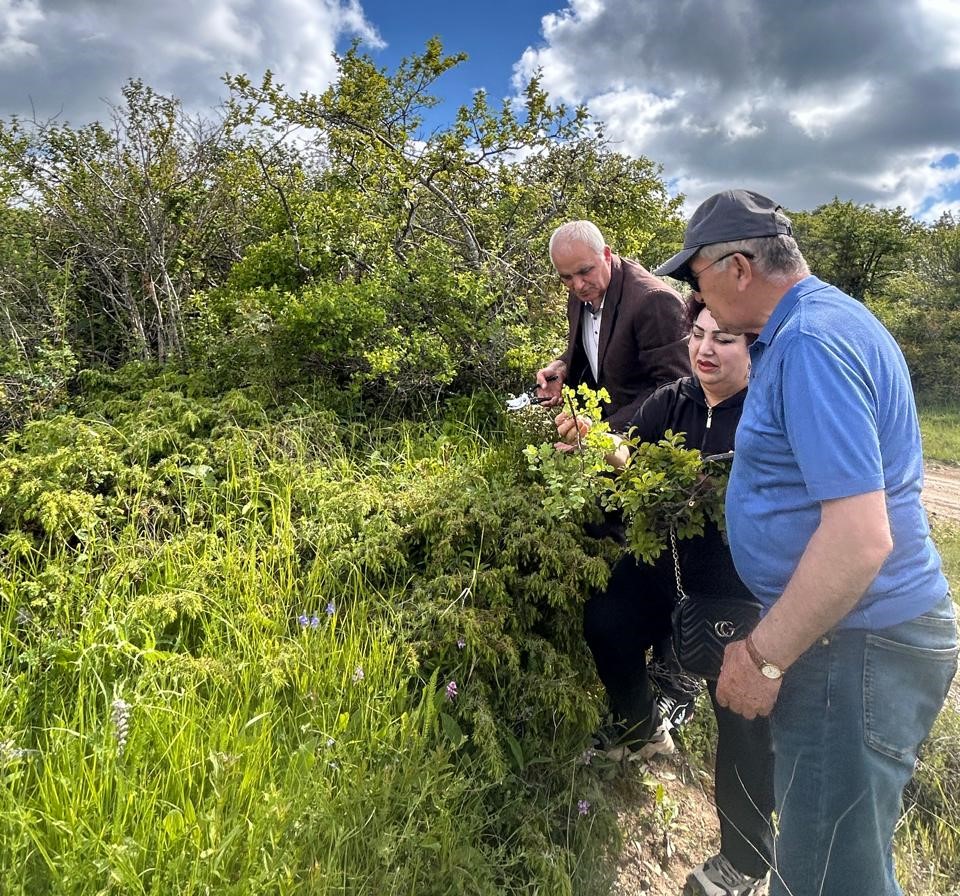
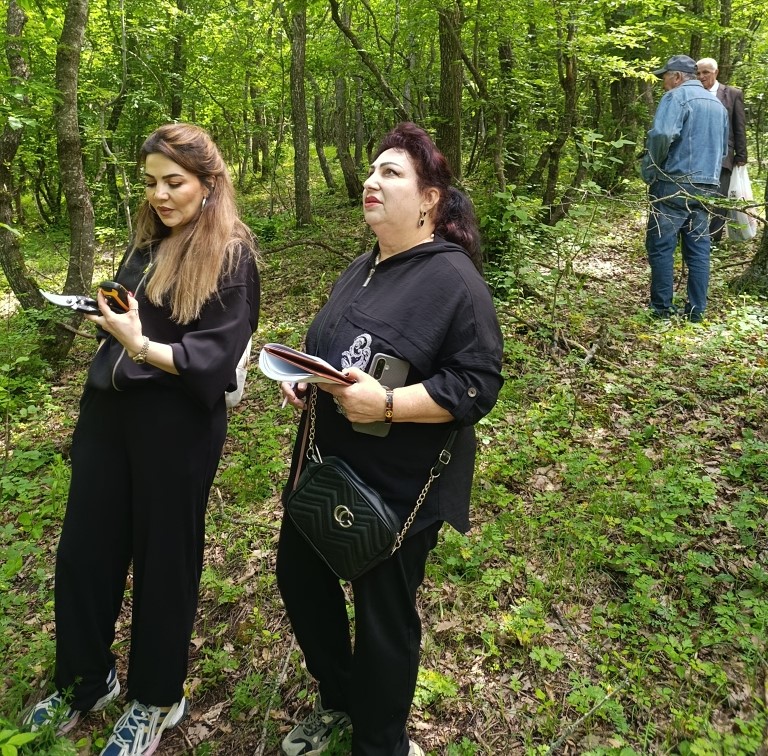
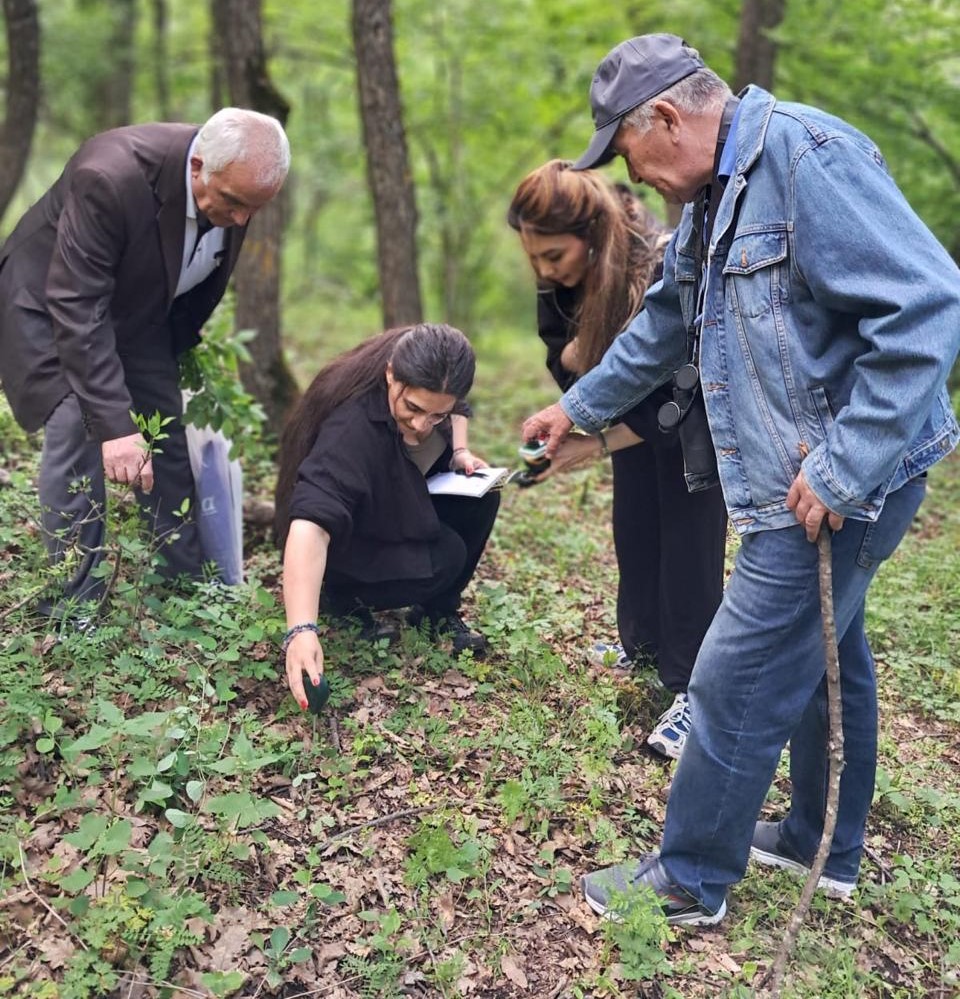
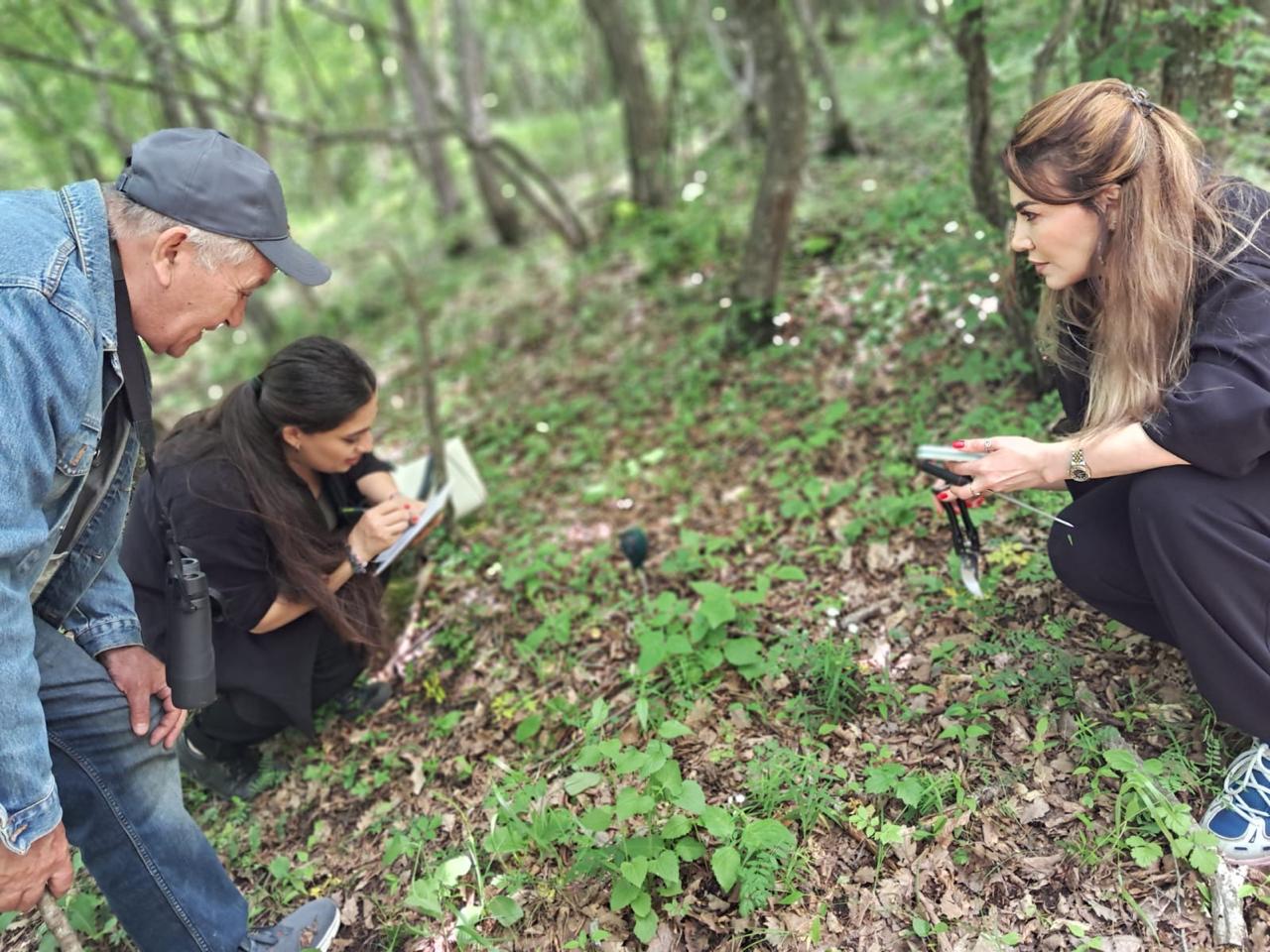
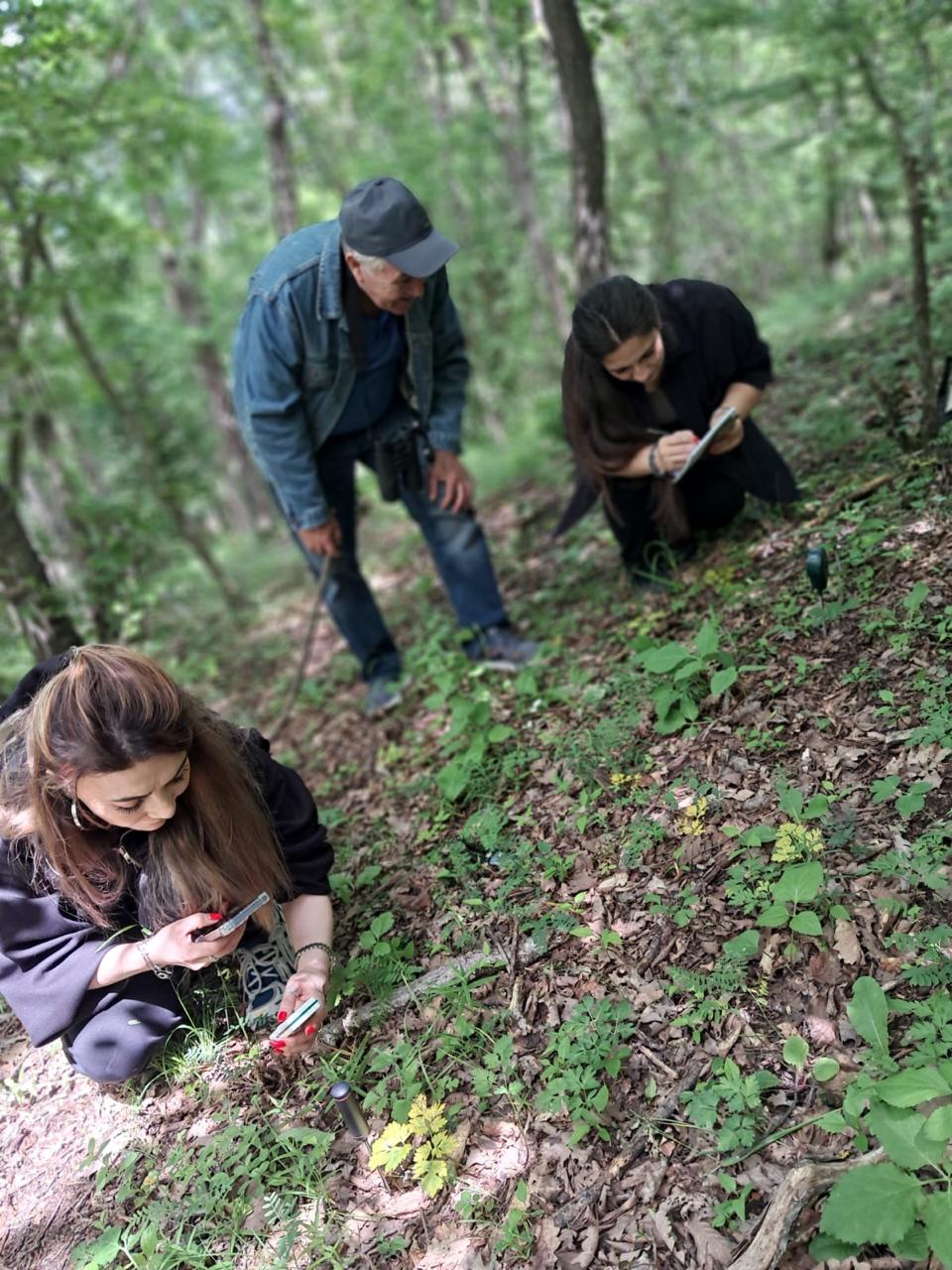
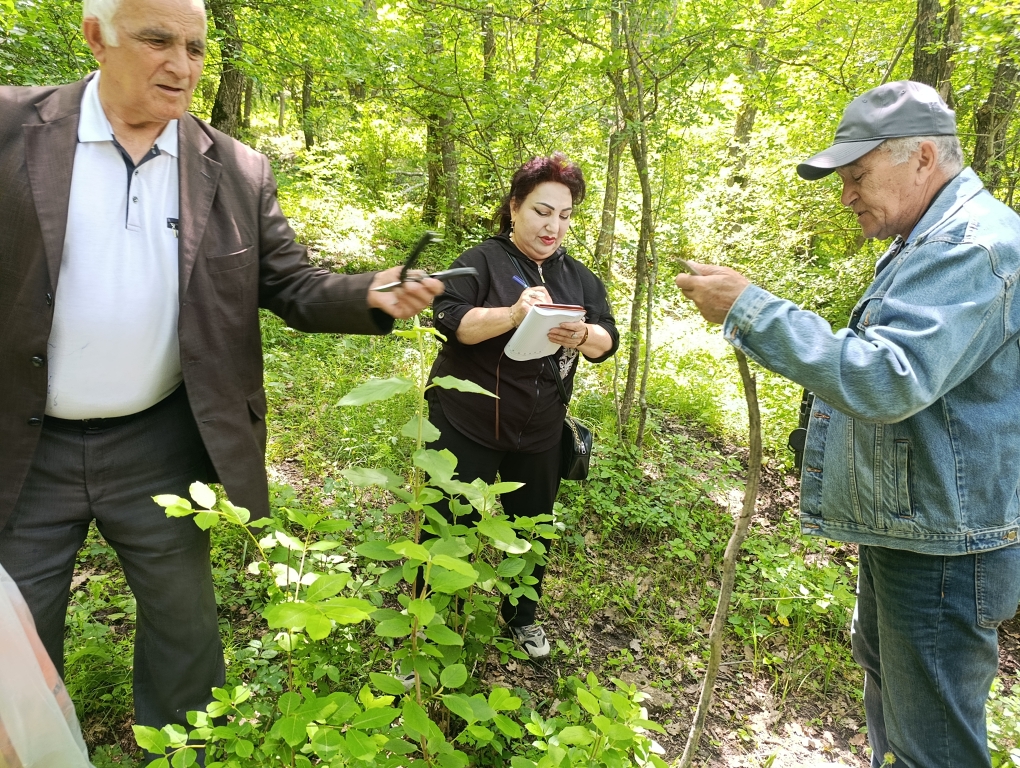
Staff members from the Forestry Laboratory of the Institute of Botany PLE of the Ministry of Science and Education of the Republic of Azerbaijan carried out an expedition in the Khizi–Altiagach region.
The main objective of the expedition was to investigate the structure and dynamics of forest phytocoenoses in the Khizi and Altiagach regions, assess the impact of climate change on the growth and development of woody plants, evaluate the ecological condition of forest ecosystems, and determine the level of anthropogenic influence.
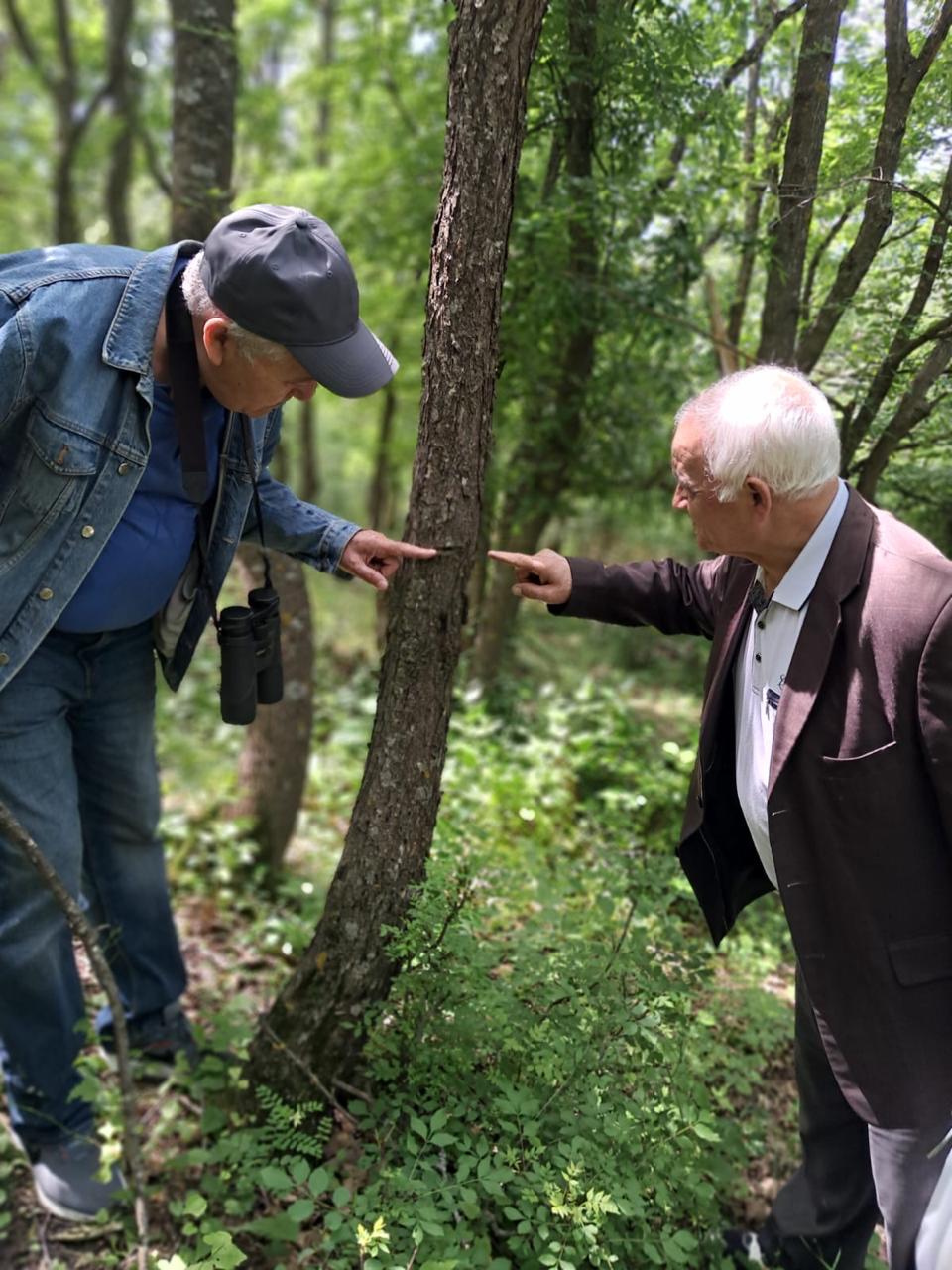
During the research, monitoring was carried out in the forest areas located in the western part of Altiagach and along the Khizi–Altiagach direction. The sanitary and hygienic condition of the forest phytocoenoses was assessed, and the age, trunk diameter, stand density, and site quality classes of the trees were determined. At the same time, the condition of forest soils, ecological indicators and the sustainability of the ecosystems were investigated. The observations revealed that anthropogenic activities have had a significant impact on the forest ecosystems in the study areas. It was recorded that human economic activities, uncontrolled livestock grazing, deforestation, the expansion of agricultural lands and other factors have contributed to changes in the soil cover.
During the research, the forest types and phytocoenotic structure of the region were also investigated. The findings showed that approximately 90% of the area is covered by phytocoenoses dominated by broad-leaved tree species that form the forest. The research revealed that the forest ecosystems have a three-layered structure, with the first layer consisting of trees 20–30 metres in height, the second layer composed of trees and shrubs and the third layer consisting of herbaceous plants.
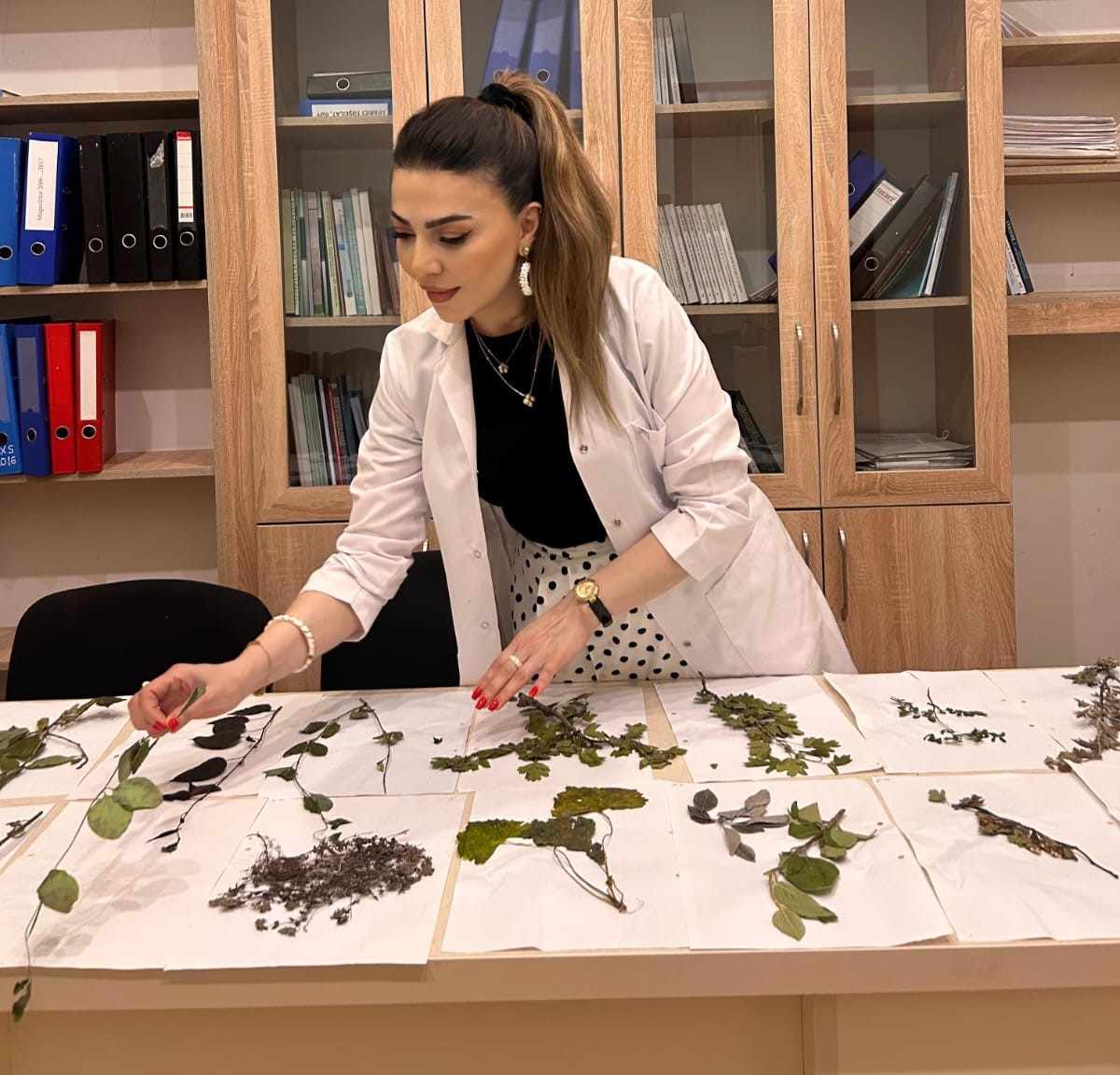
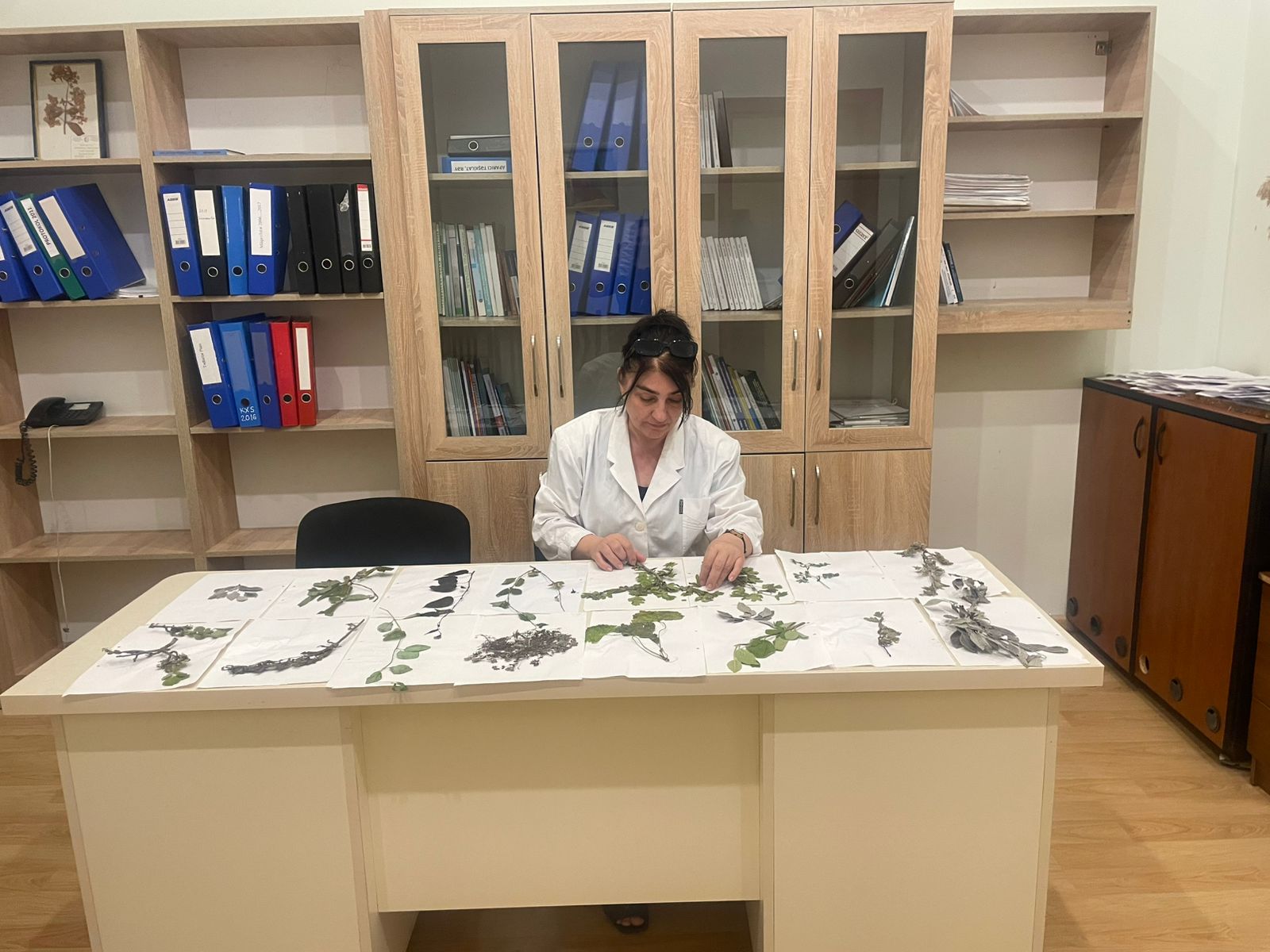
During the expedition, plant specimens were collected to enrich the Herbarium Fund, and the composition of the dominant and subdominant tree and shrub species was determined. The identification of the collected specimens is currently in progress.
1782282672.jpg)












1730190904.jpg)