Botanical expeditions conducted in Karabakh and East Zangazur have yielded important scientific results. During research carried out in the Basitchay State Nature Reserve, six moss species were discovered along riverside areas and on trees. At the same time, three moss species new to science were identified on a single tree. Those samples were sent to foreign laboratories for confirmation at the molecular level, and the results obtained were published in high-impact-factor international scientific journals.
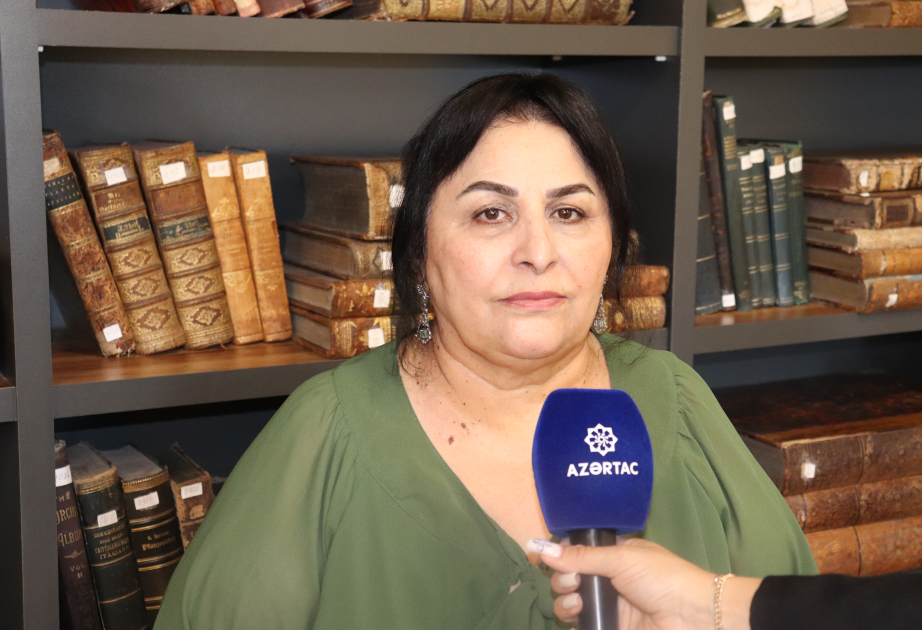
The professor noted that despite the negative effects the war caused to the soil, including heavy metal contamination and traces of fires, geophyte plants have preserved their vitality. Since the bulb and rhizome organs located 2-3 meters deep in the soil were not damaged, these plants have begun to develop again.
Sayyara Ibadullayeva stated that the only distribution area of Trifolium bobrovii and T. voronovii — species included in the international "Red List" — is the mountainous area between Shusha and Lachin. During expeditions carried out jointly with foreign experts, 3 samples of this species were discovered and identified.
According to her speech, this discovery has been highly valued by the international scientific community and once again confirmed the rich biodiversity of Karabakh.









1730190904.jpg)