Determining whether mushrooms are edible or poisonous is not always easy. There is significant external similarity between certain species, which leads people to mistakenly collect poisonous mushrooms.
The edible morel, widely found in spring and collected by mushroom enthusiasts, is sometimes confused with the poisonous "false morel", which grows in sandy soils under coniferous trees. However, this species has strong toxic effects and can pose a serious threat to human health.
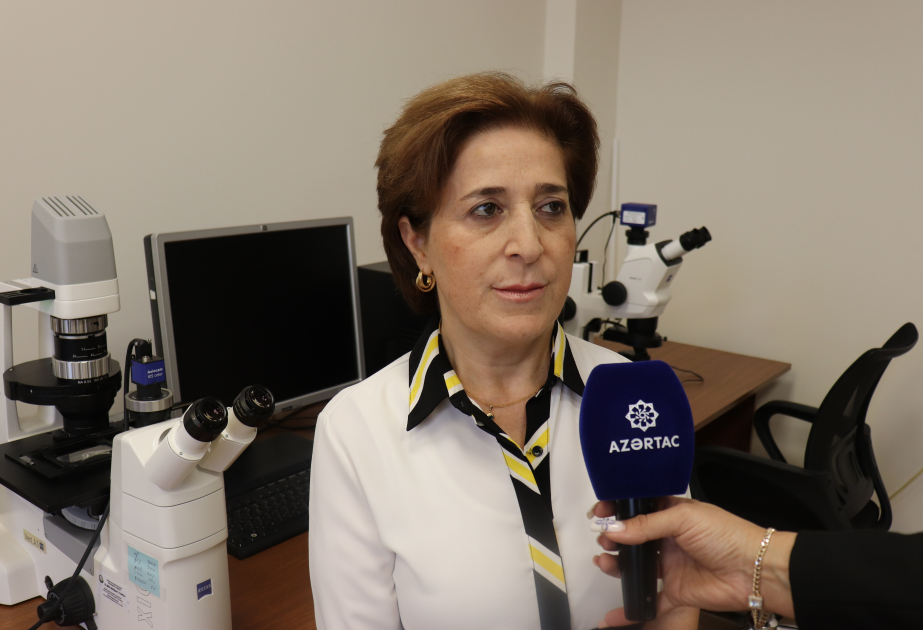
According to the expert, the edible honey fungus (Armillaria mellea) and sheathed woodtuft (Kuehneromyces mutabilis) can also be morphologically similar to and confused with the poisonous "Hypholoma fasciculare". At the same time, confusing the edible "Russula virescens" (which can be eaten raw) with the deadly poisonous "Amanita phalloides" (death cap) can lead to dangerous consequences.
One of the most dangerous groups among poisonous mushrooms is the species belonging to the genus "Amanita." According to reports, approximately 95 percent of deaths resulting from mushroom poisoning are associated with representatives of this genus.
The professor said that the genus "Amanita" includes nearly 600 species. Among them are highly poisonous species such as "Amanita citrina," "Amanita pantherina," "Amanita muscaria," and "Amanita gemmata." At the same time, one of the most prized edible species in this genus, "Caesar's mushroom (Amanita caesarea)," is also widely known.
Given the growing public interest in mushroom foraging in recent years, experts recommend that citizens only collect species they are well familiar with. It is noted that since mushrooms spoil quickly, they should be used shortly after being collected.
In addition, it is not advisable to collect mushrooms for food near roadways. The reason given is that mushrooms have the ability to absorb heavy metals from the environment and harmful substances released into the air by vehicles, which can pose a risk to human health.







1791958830.jpg)







1730190904.jpg)