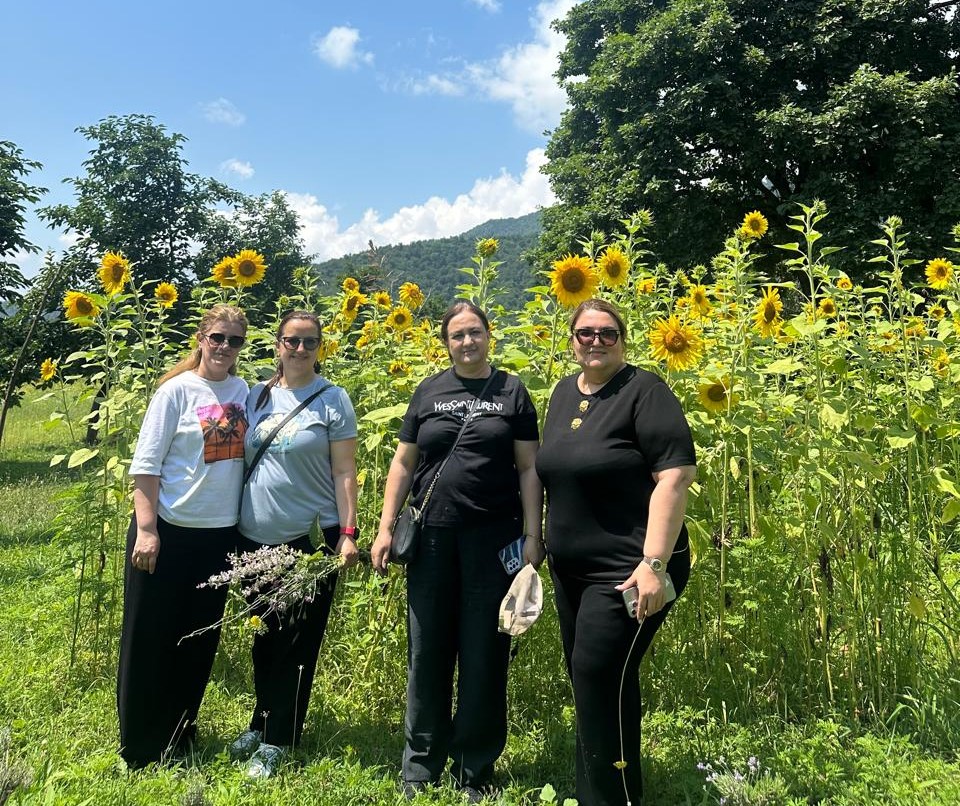
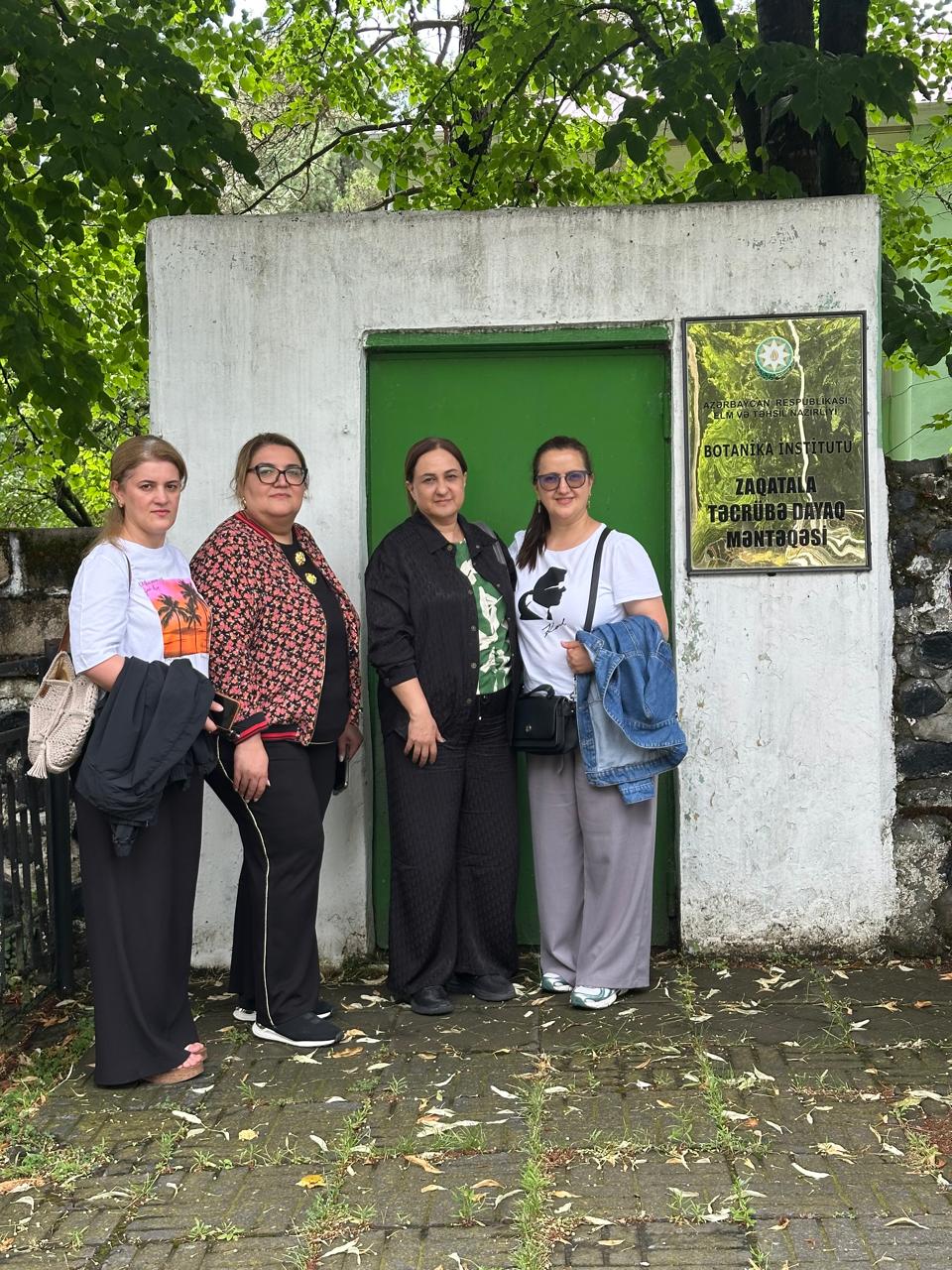
The staff members of the Ethnobotany Laboratory of the Institute of Botany PLE of the Ministry of Science and Education of the Republic of Azerbaijan conducted a scientific expedition in the Zagatala State Nature Reserve and surrounding areas.
The aim of the expedition was to study the current state of the flora and vegetation cover of the Zagatala–Balakan region, identify rare and endangered plant species, investigate useful plant resources, and explore the ethnobotanical characteristics of the region.
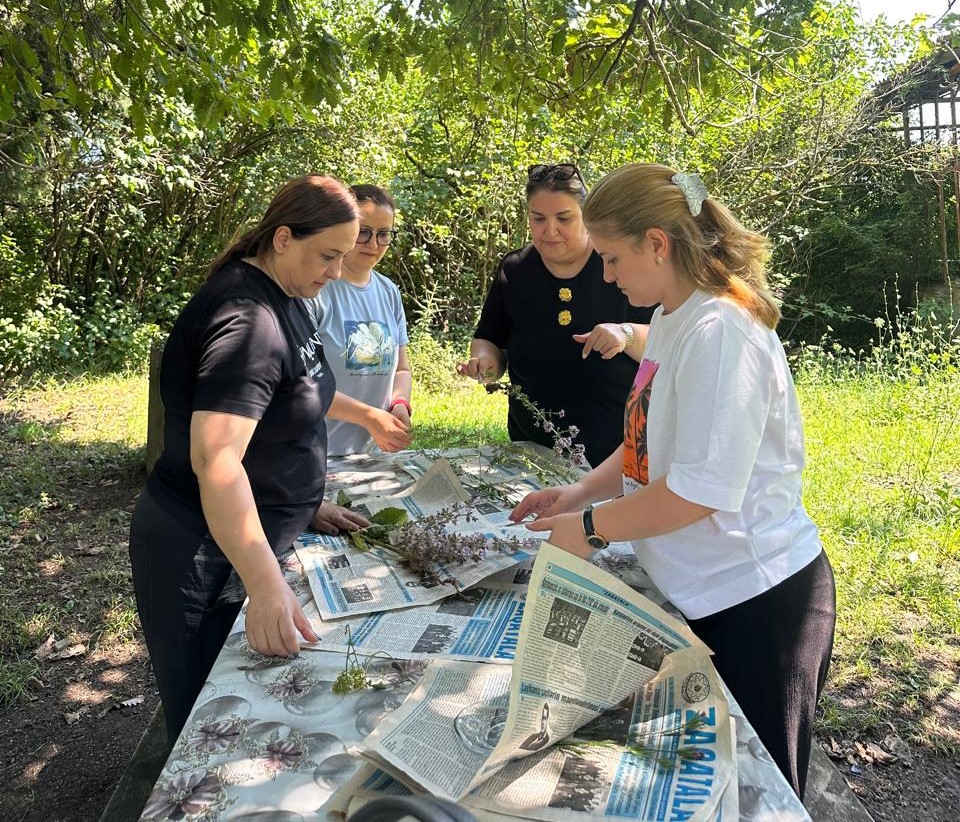
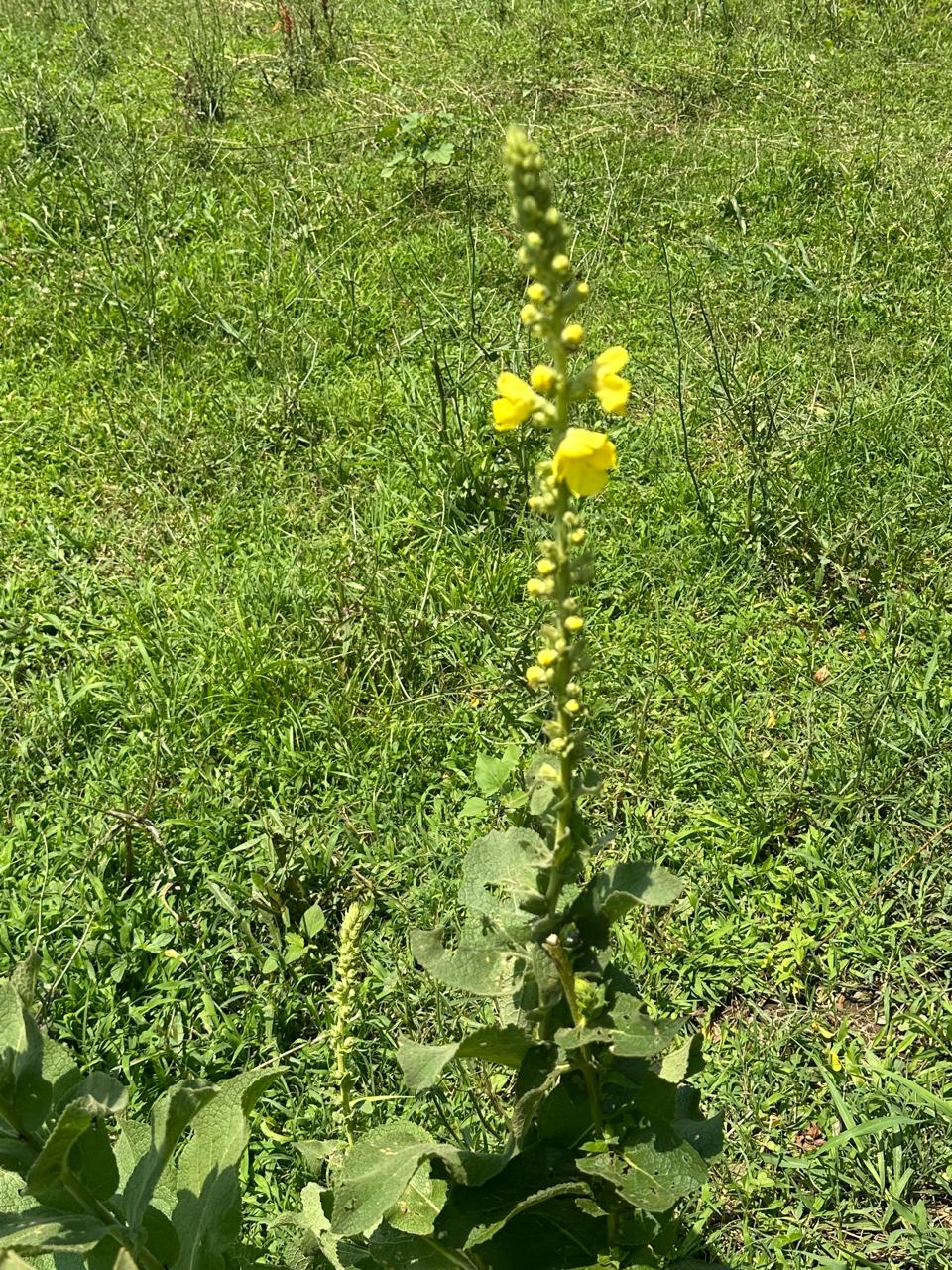
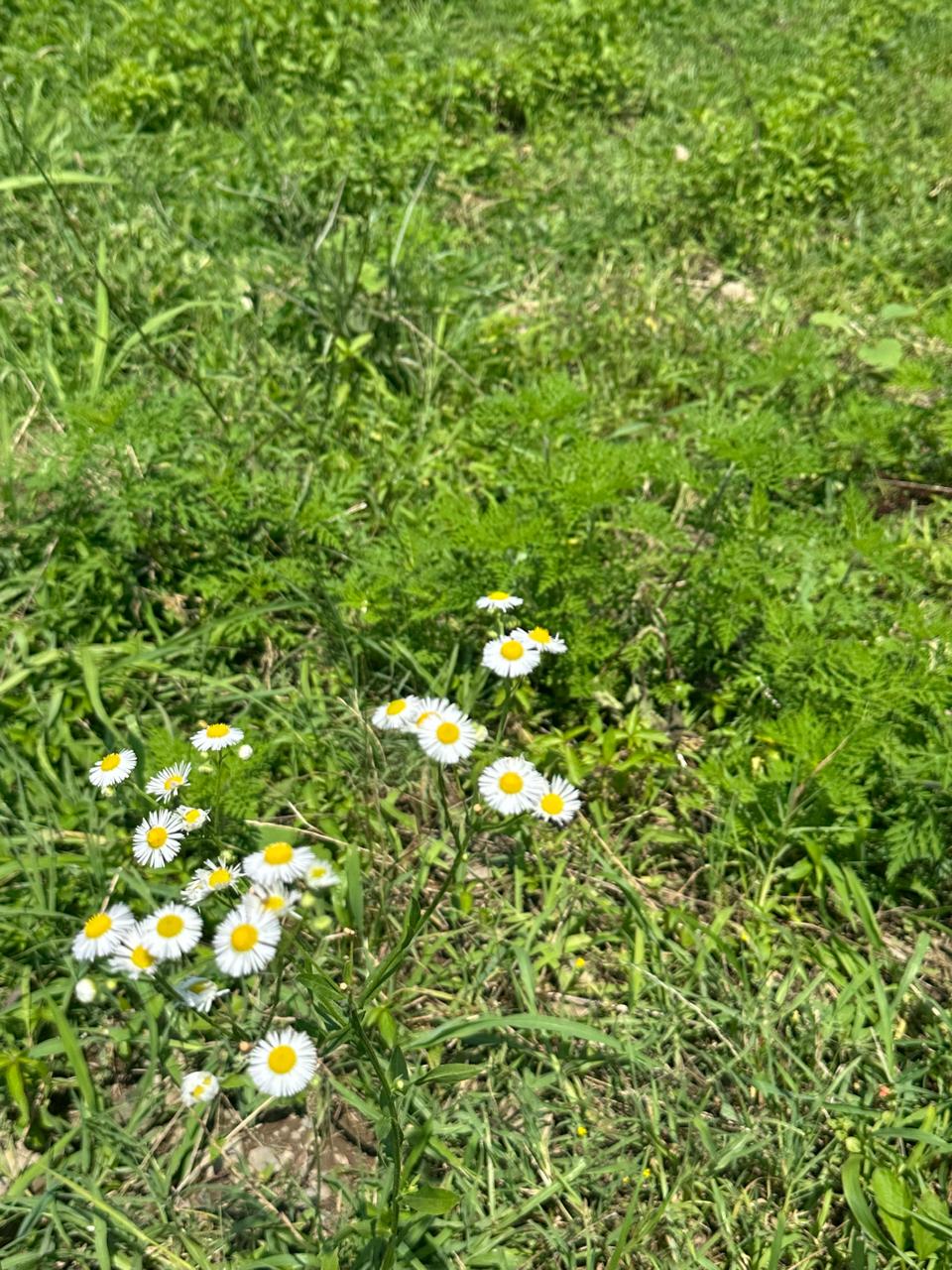
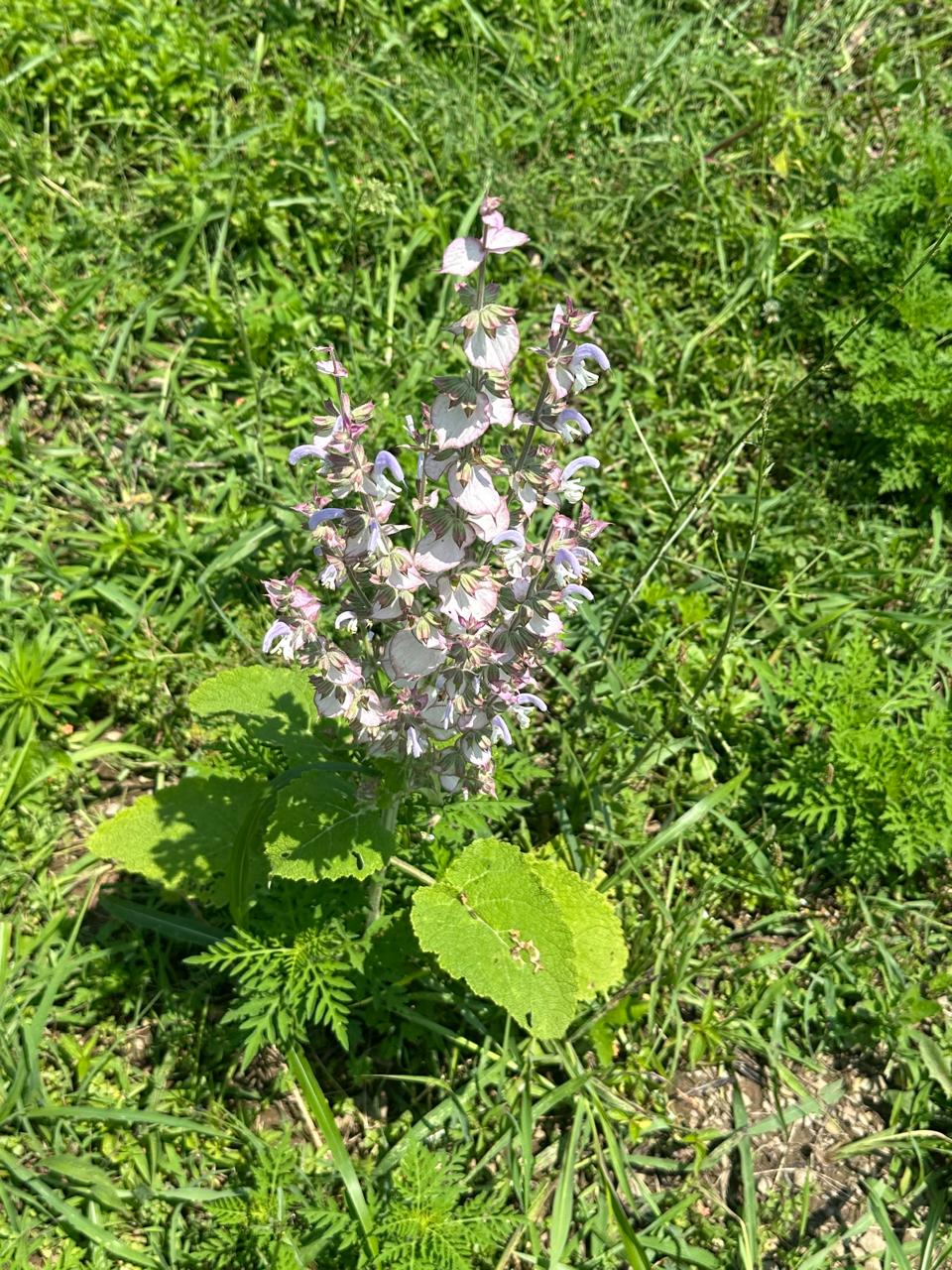
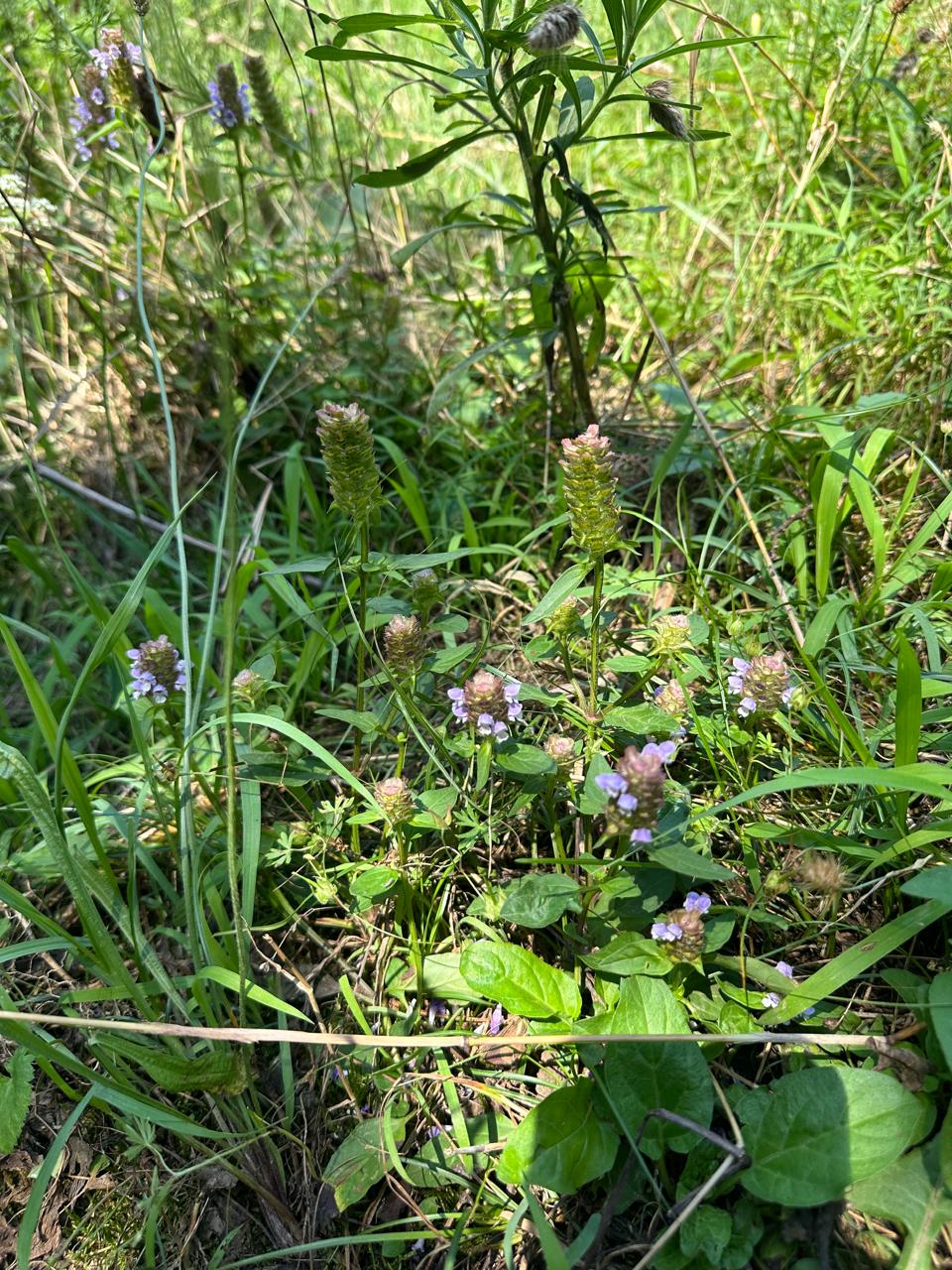
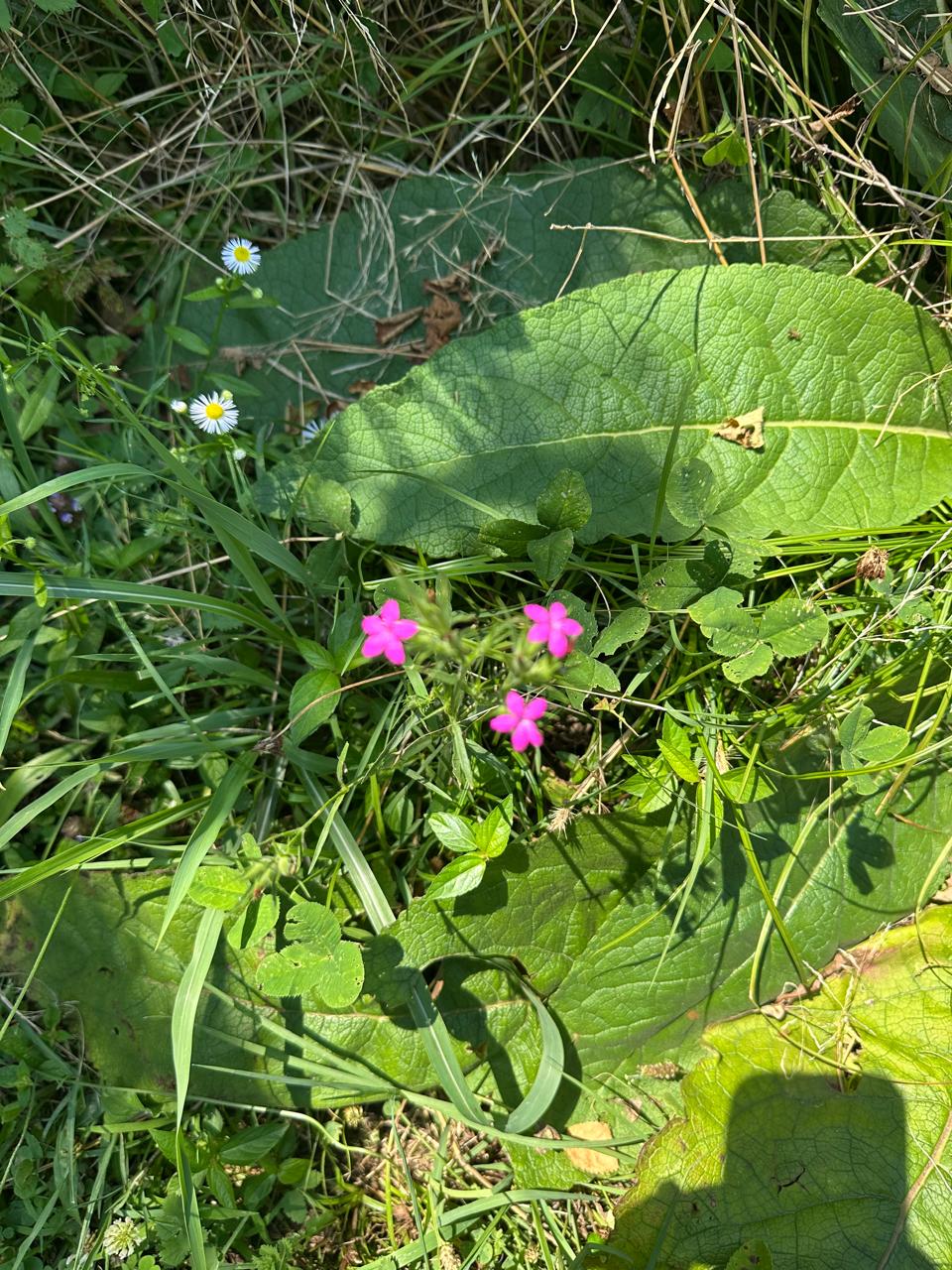
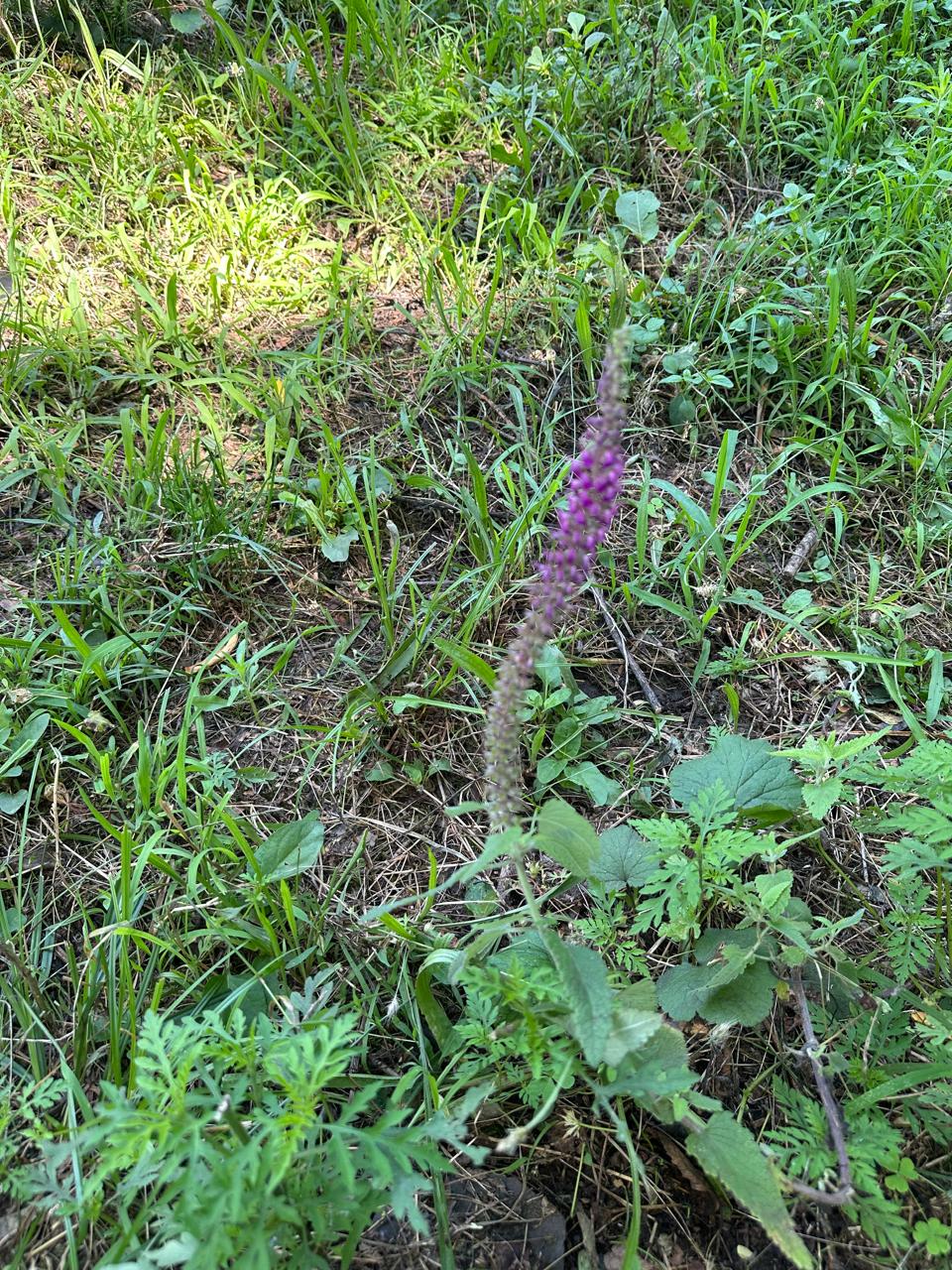
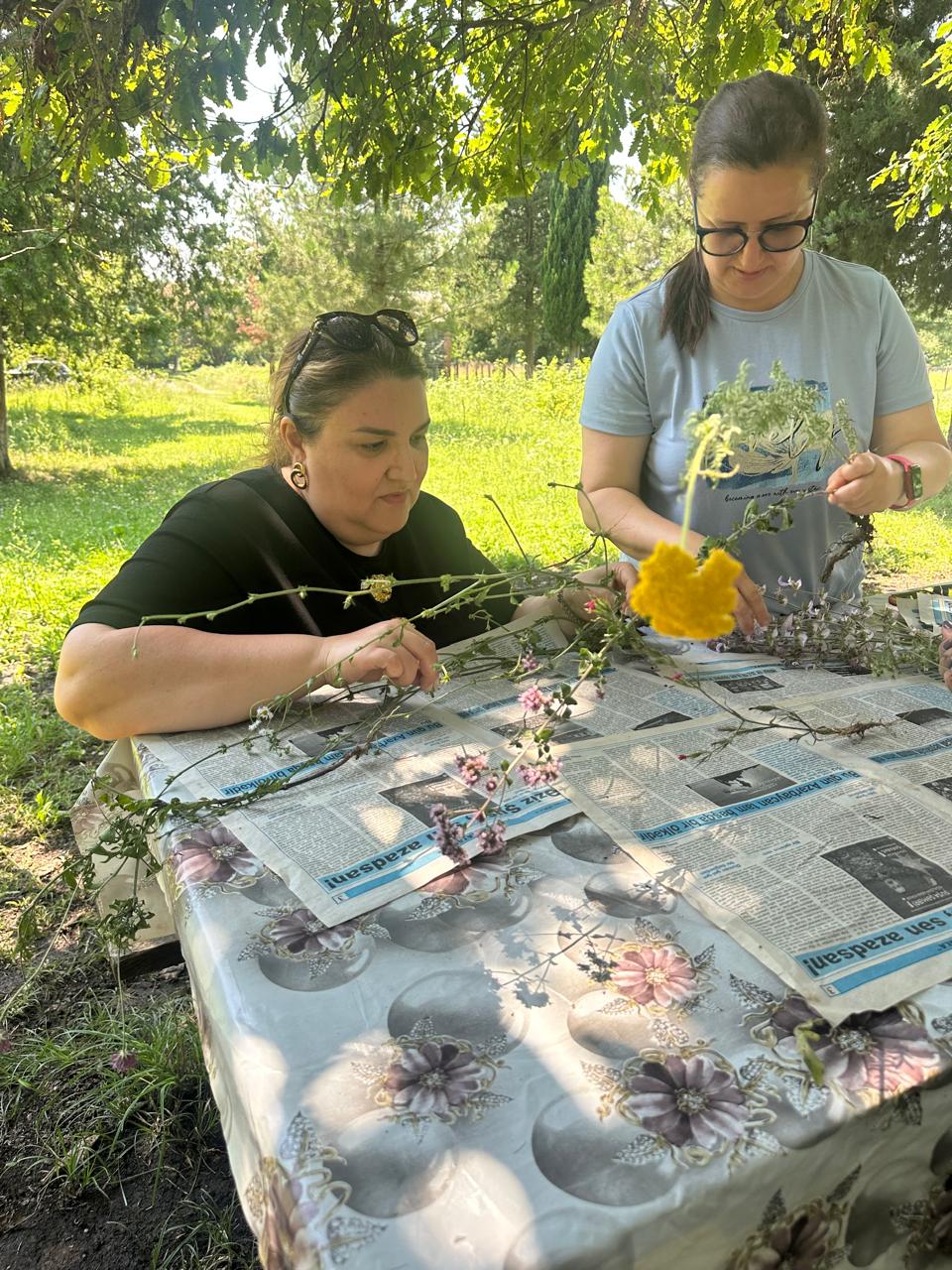
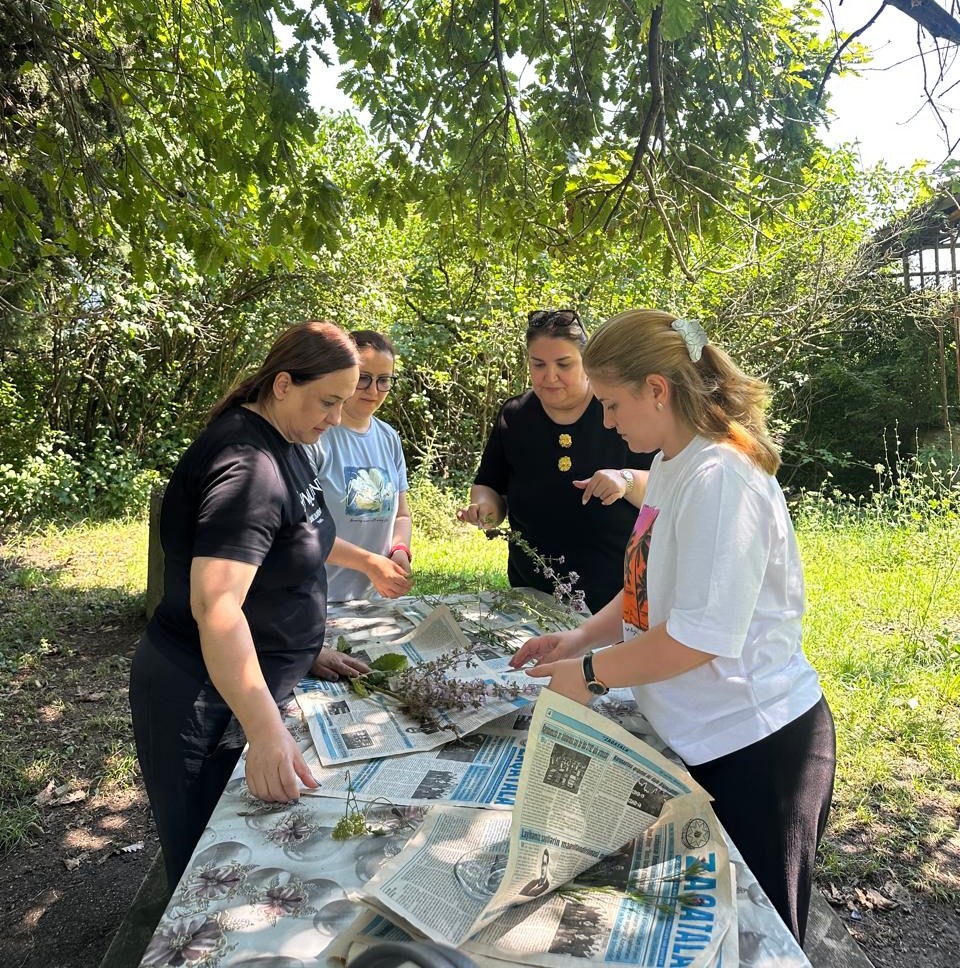
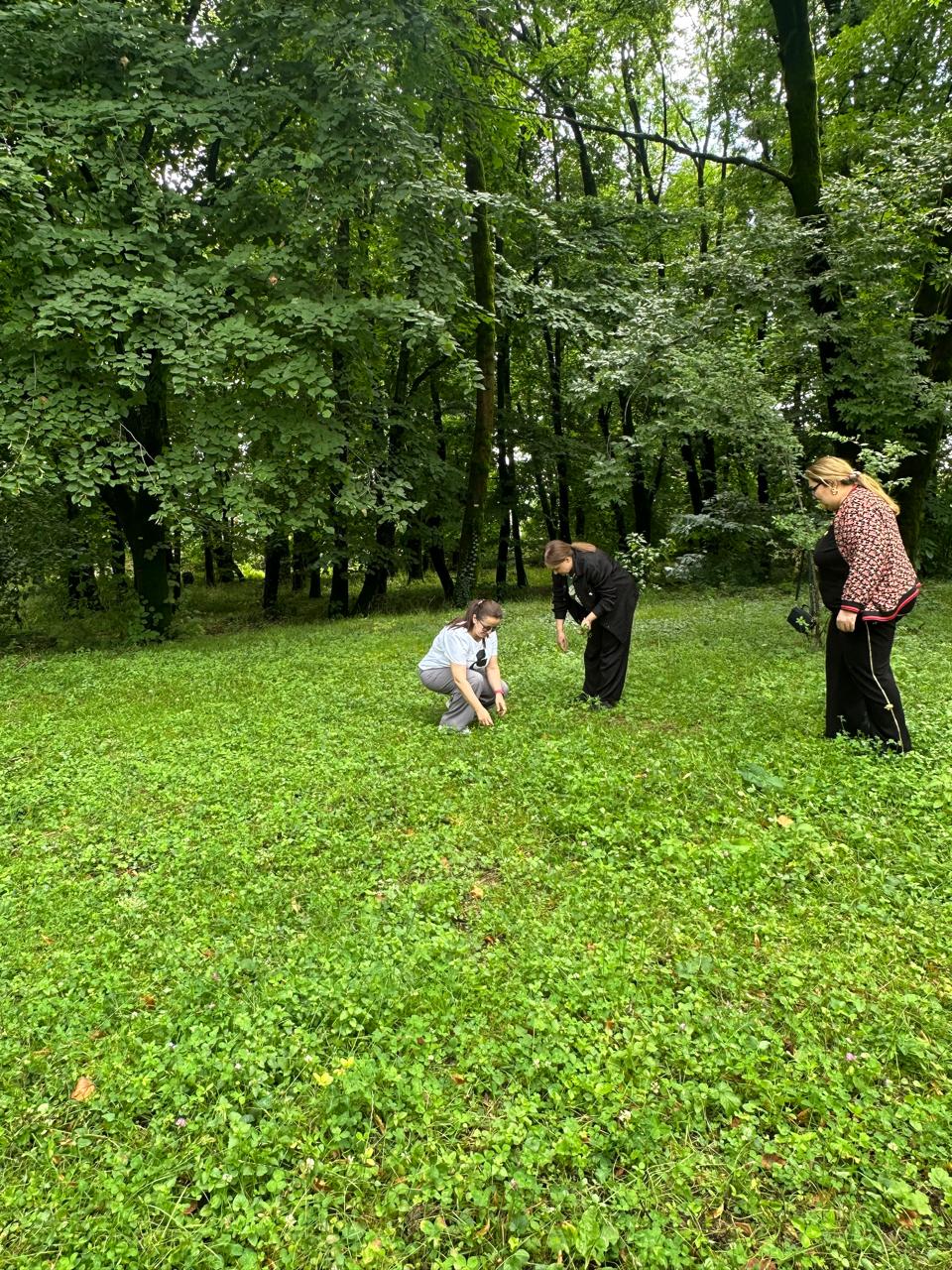
The research was conducted along the Katekhchay river and in the areas around Kabizdara, Garakli, Canyon gorge, Maza post, and the village of Jar. During the study, floristic, geobotanical, systematic, and ecological research methods were applied. As a result of the expedition, 54 plant species belonging to 36 genera and 13 families were collected. Herbarium specimens were prepared and identified under laboratory conditions. Among the herbarium specimens collected during the research, species that had not previously been recorded in this region or mentioned in the literature were identified. In addition, new distribution areas of some plant species were discovered. A new distribution site of Salvia sclarea L. was recorded in the Zagatala region.
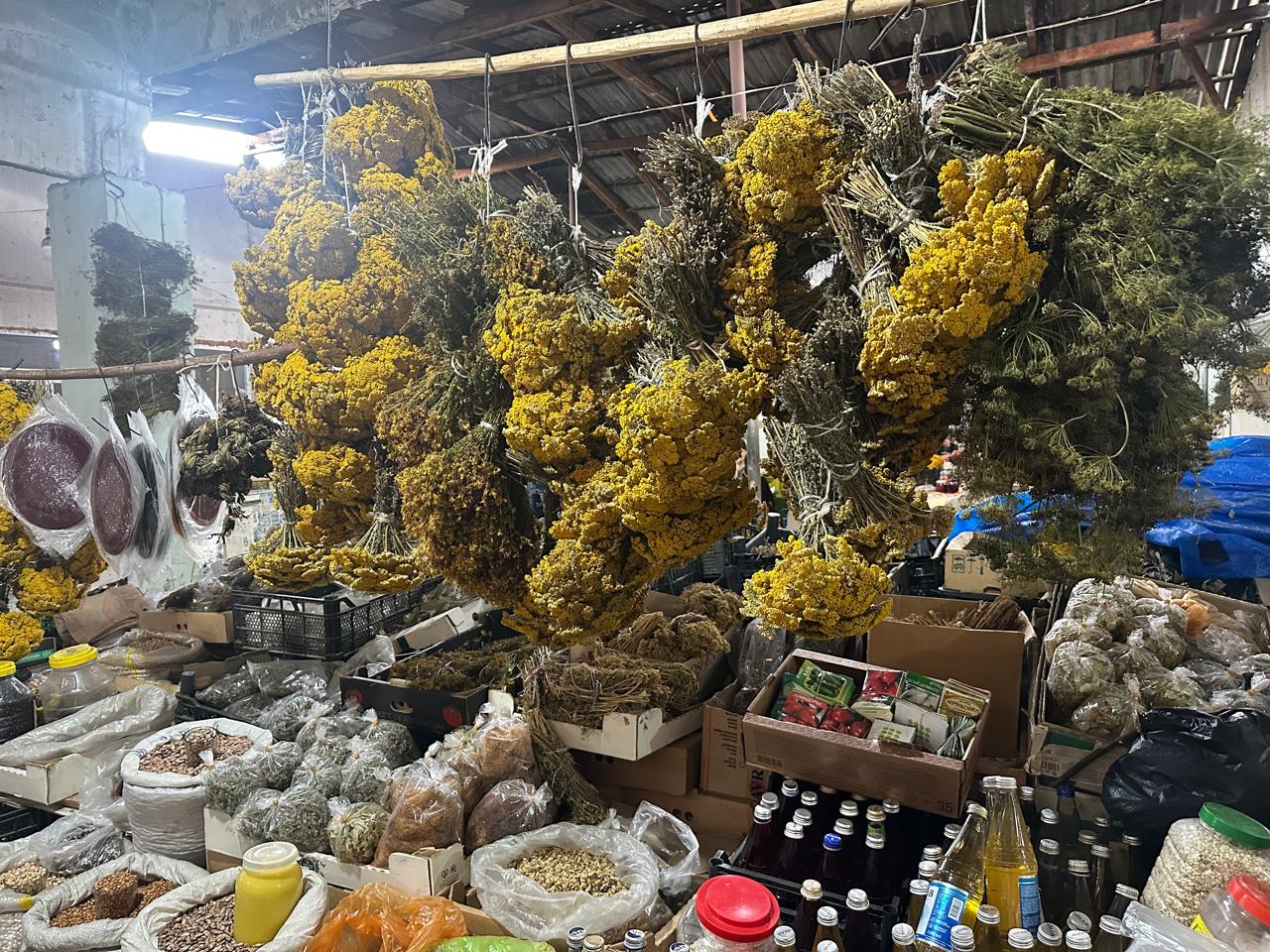
One of the main directions of the expedition was ethnobotanical research. As a result of 27 surveys conducted with representatives of the avar, tsakhur, ingiloy, and lezgi communities, 32 plant species traditionally used by the local population as medicinal and wild food plants were recorded. The collected information is of significant importance for studying the ethnobotanical heritage of the region and ensuring the sustainable use of biodiversity.









1730190904.jpg)